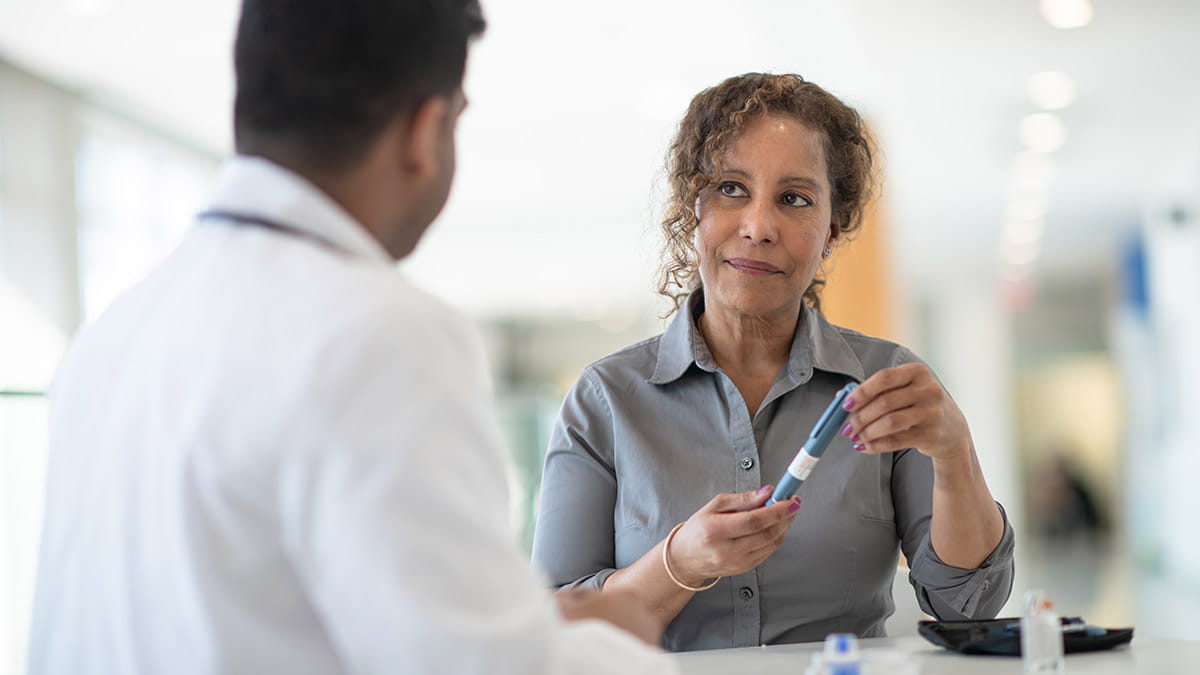
Why are people developing diabetes after having COVID-19?
An expert at The Ohio State University Wexner Medical Center explains why some people are developing diabetes after surviving COVID-19.

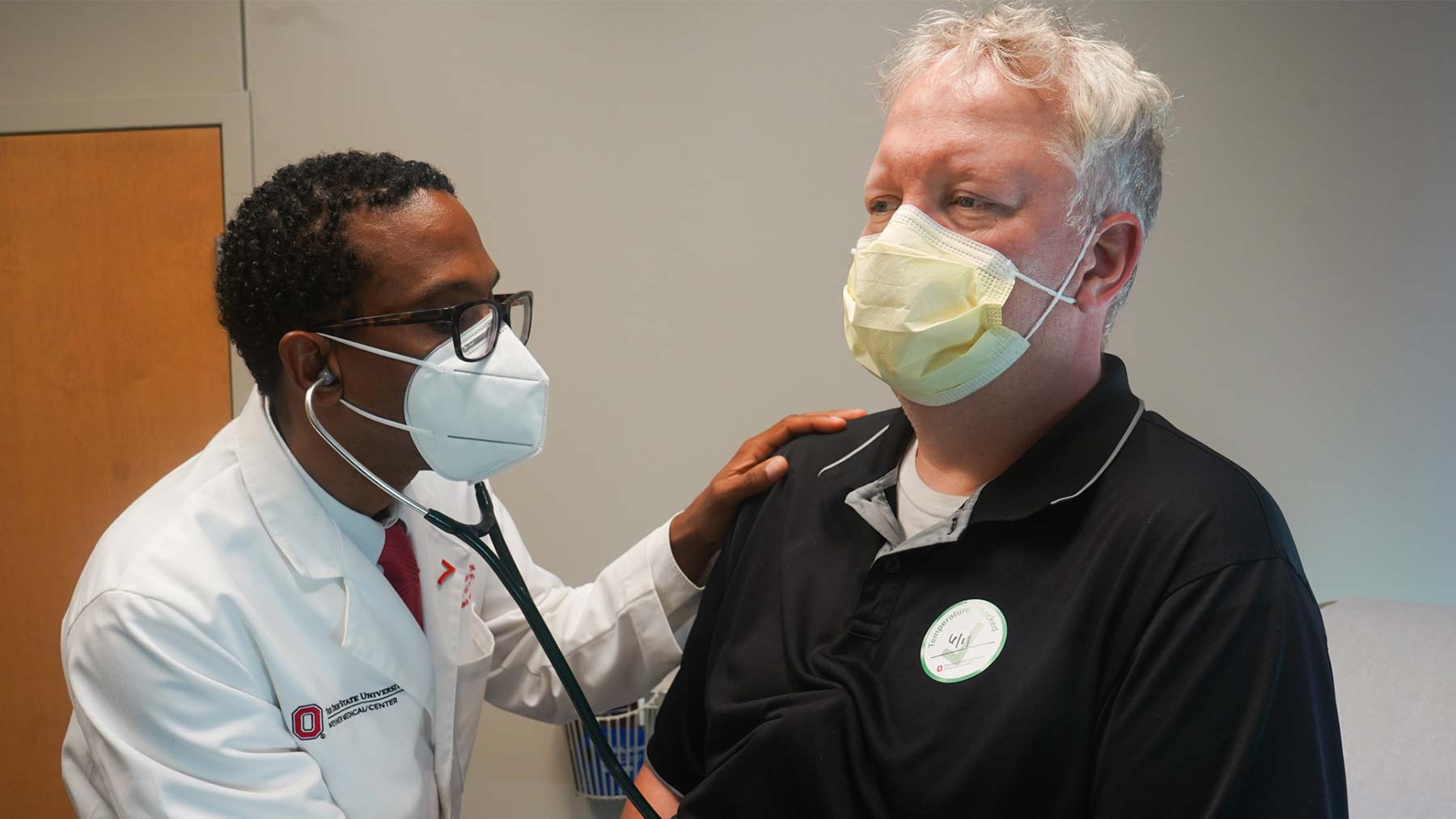
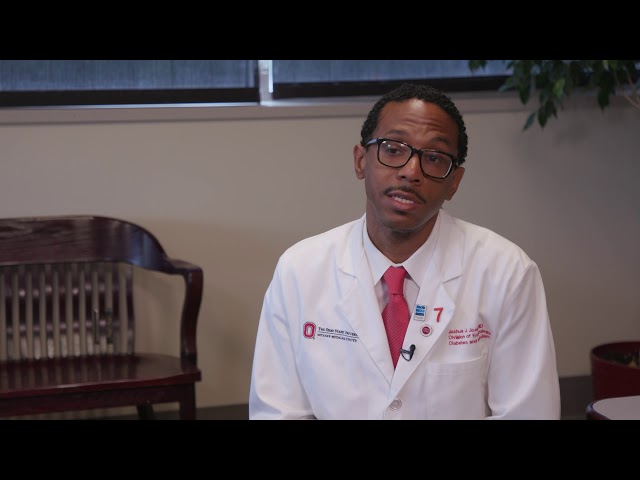
An expert at The Ohio State University Wexner Medical Center explains why some people are developing diabetes after surviving COVID-19.
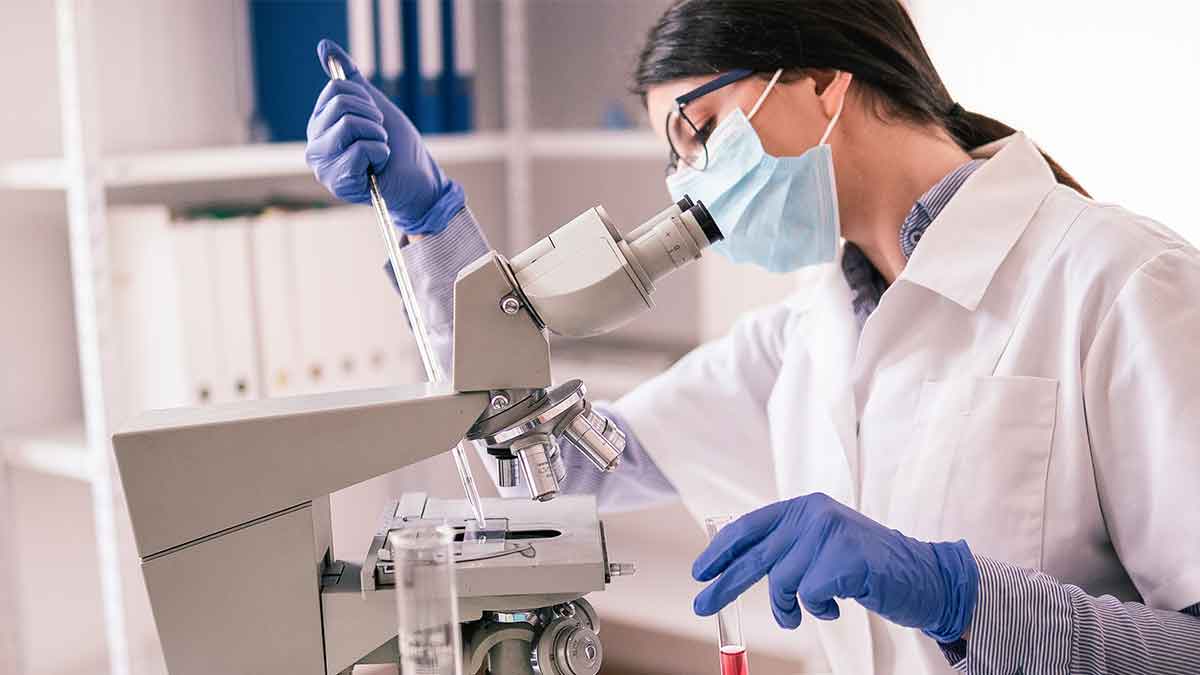
A team of researchers recently identified a new compound that might serve as a basis for developing a new class of drugs for diabetes.
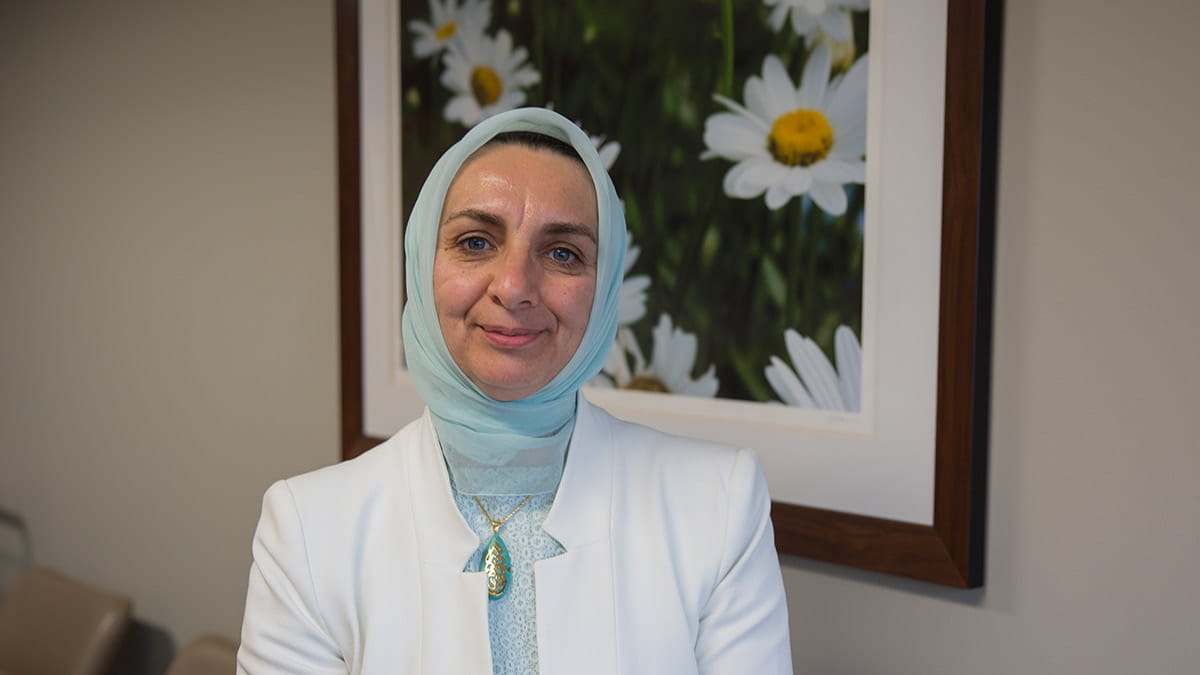
For Muslims with diabetes, the decision to be able to fast or not during the holy month of Ramadan can be hard and confusing. That’s why it’s so important to talk to your doctor and create an action plan to keep you safe and healthy during this holy season.
