
January 6, 2026
Key takeaways
- Researchers at The Ohio State University found that virtual, text-based crisis response planning helps teens with suicidal thoughts and is easy for them to use.
- Adolescents who used the chat-based program said they were more satisfied and more likely to follow their crisis plans than those who had in-person sessions.
- This new study shows that teens feel more comfortable getting help online or by text, which may encourage them to reach out before their situation becomes an emergency.
- Research indicates that using virtual, text-based methods can effectively support adolescents experiencing suicidal thoughts.
COLUMBUS, Ohio – Suicide is one of the leading causes of death among adolescents, yet many teens do not receive timely mental healthcare.
A major reason is that young people often avoid in-person mental health services because of stigma, limited access and fear that seeking help will automatically involve their caregivers. As a result, many adolescents with suicidal thoughts do not seek help until the crisis becomes severe.
Crisis Response Planning has been shown to be an effective single-session suicide prevention intervention across a wide age range. There is a strong body of research demonstrating that CRP reduces suicidal thoughts and behaviors in adults and can be delivered successfully in a variety of settings. But it has not been well-studied as a suicide-prevention tool for adolescents.
Research led by The Ohio State University Wexner Medical Center and College of Medicine found that brief, single-session suicide prevention interventions are feasible and acceptable for adolescents, and that virtual formats may be particularly well-suited to teens.
 Study findings are published in the journal Behavior Therapy.
Adolescents who participated in a chat-based version of Crisis Response Planning reported high satisfaction, found the intervention easy to use, and were more likely to use their personalized crisis plan after the session compared to those who received the same intervention in person.
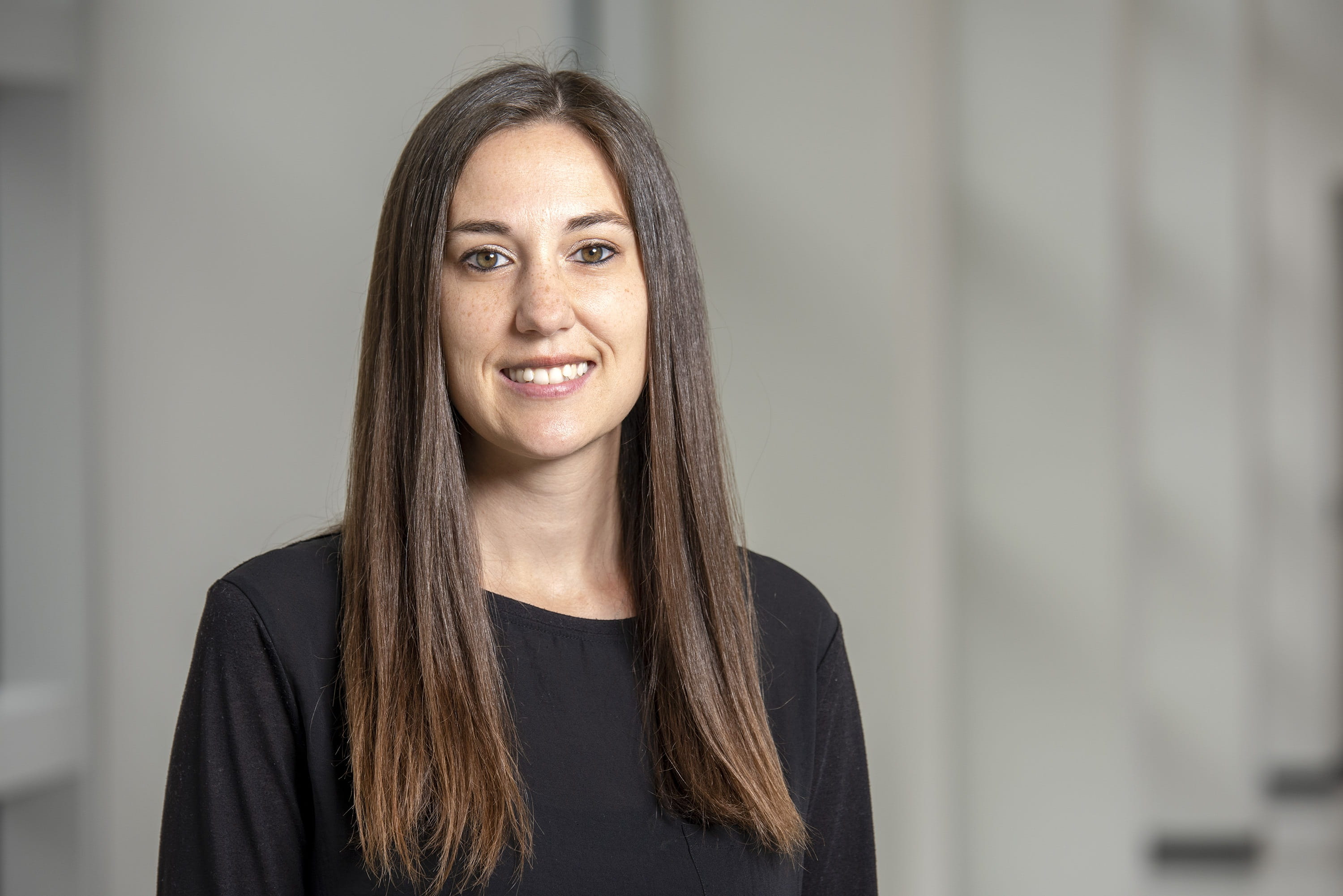
“This study demonstrates, for the first time, how an evidence-based protocol performs specifically with adolescents. The results indicate that the method of delivery is particularly important for teens. Providing evidence-based interventions virtually or via text seems to align better with how adolescents prefer to communicate and what makes them feel comfortable,” said study corresponding author Stephanie Gorka, PhD, associate professor with Ohio State’s Department of Psychiatry & Behavioral Health.
Crisis Response Planning has been shown to be an effective single-session suicide prevention intervention across a wide age range. There is a strong body of research demonstrating that CRP reduces suicidal thoughts and behaviors in adults and can be delivered successfully in a variety of settings.
“By offering brief, virtual, and text-based interventions, teens may be able to receive help earlier, before suicidal thoughts escalate into a crisis. When young people feel more comfortable and less fearful about seeking support, they are more likely to engage with strategies that help them manage distress and stay safe,” said Gorka.
Nearly 10% of high school students have attempted suicide, and 22% have considered it, according to a report by the Centers for Disease Control and Prevention.
During the study, 51 adolescents ages 14 to 18 who had recently experienced suicidal thoughts were randomly assigned to one of three single-session interventions:
- chat-based Crisis Response Planning
- in-person Crisis Response Planning
- virtual self-guided safety planning (control group)
After treatment, the team from Ohio State, together with researchers from Penn State University and the University of Illinois Chicago, evaluated how practical and user-friendly the intervention was. They measured suicide risk before starting the treatment and again two weeks after it concluded, using both the Ask Suicide Screening Questions and the Beck Scale for Suicidal Ideation.
All three treatments were found to be acceptable and practical; however, the chat-based CRP was considered more appropriate compared to the control group.
Importantly, nearly 40% of participants no longer reported suicidal thoughts two weeks after the intervention, regardless of the format of the single session, Gorka said.
“The study also suggests that virtual approaches may reduce the severity of suicidal thoughts, which is a critical step in preventing suicide. Lowering the intensity of suicidal thinking can improve coping, increase use of safety plans and create opportunities for connection to ongoing support,” said Gorka, who also is a member of Ohio State’s Institute of Brain, Behavior and Immunology. “Together, these findings point to scalable, youth-centered approaches that can be delivered in ways that work best for the people they are meant to help.”
Study authors disclose no conflict of interest.
Media contact
Eileen Scahill, Wexner Medical Center Media Relations, Eileen.Scahill@osumc.edu