
April 2, 2026
Key takeaways
- In a biannual report, The Ohio State University Wexner Medical Center says best-practice workplace safety efforts are delivering measurable results.
- De-escalation training, use of early response teams and use of patient behavior flags have increased, driving safer care environments.
- Weapons detection screening is in use at all inpatient hospitals, and the vast majority of screenings are clear.
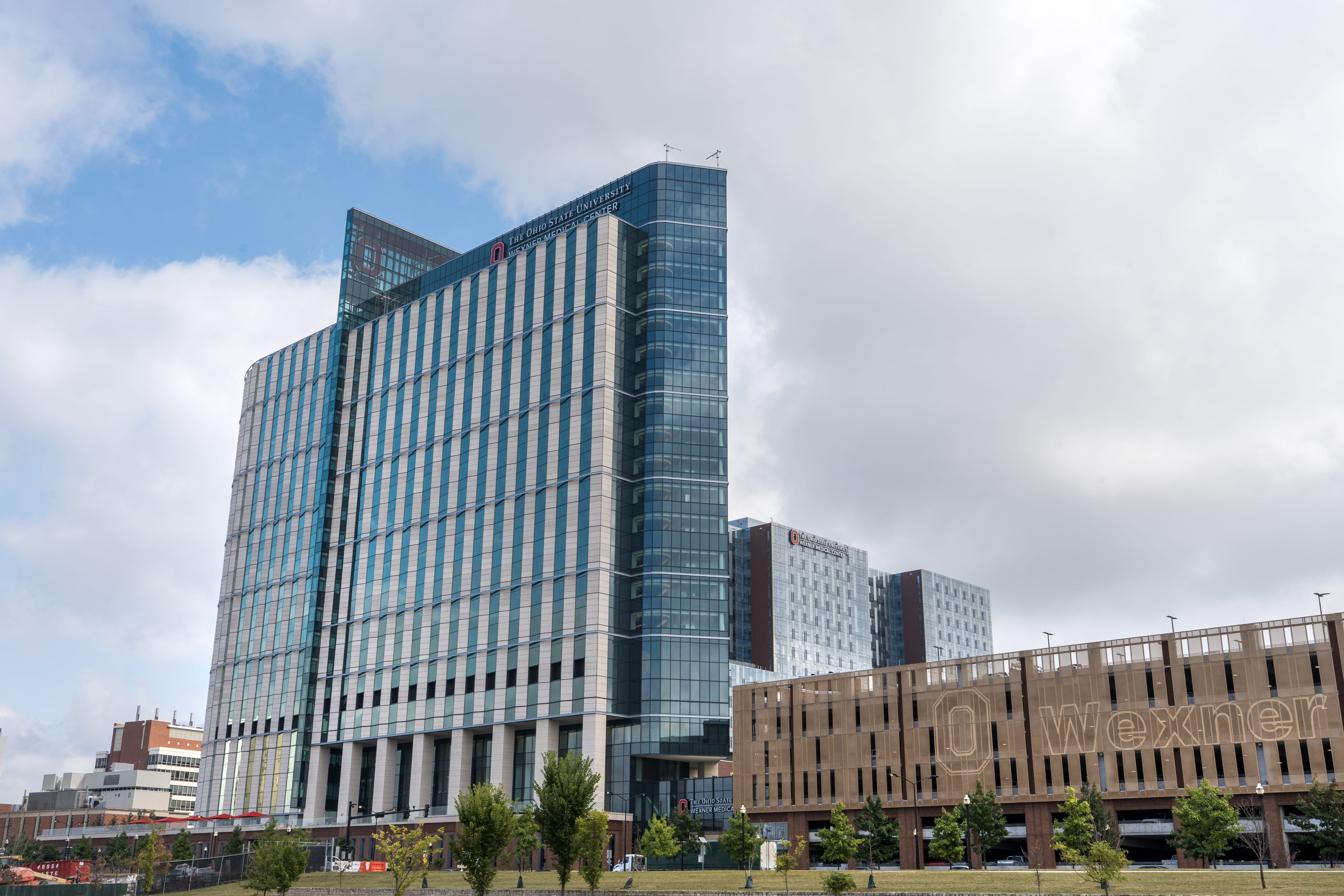 COLUMBUS, Ohio – As workplace violence against healthcare workers continues to be a significant problem nationwide, The Ohio State University Wexner Medical Center reports measurable progress in its efforts to strengthen workplace safety and support its team members. The findings are outlined in a biannual update covering July through December 2025.
The report was issued by the medical center’s Workplace Safety Steering Committee, a team of leaders, nurses and support staff who are focused on improving workplace safety. It highlights continued investments in training, early response resources and security measures with a focus on prevention, preparedness and accountability.
Prevention and preparedness show results
One key area of progress is employee preparedness. More than 1,100 team members have now completed crisis prevention and de escalation training to help recognize early warning signs, manage escalating behavior and respond safely in difficult situations. Participants represent a wide range of clinical, support and security roles. Team members shared that de escalation training increased their confidence and awareness, and that structured post event support helped them recover after traumatic incidents.
Early response resources have also expanded. The Behavioral Emergency Response Team (BERT) provides early intervention for complex behavioral situations. During the six month reporting period, there were 994 BERT responses, reflecting growing awareness and use of the program across the organization.
The use of behavior warning flags in patient electronic medical records helps identify people with a history of disruptive or aggressive behavior. The medical center reports that more team members are using this feature, which improves safety and helps teams coordinate care. The warning flags are reviewed every two years.
Post event support has become more consistent as well. The Assault Response Team is now fully implemented across all inpatient hospitals, providing standardized support and debriefing after a serious workplace violence event. A new reporting tool was also created to support timely response and follow up.
Security data show encouraging trends in how teams are using support resources. Since 2021, the rate of clinical support calls and incidents has declined by 25%, even as the organization has grown. More than half of all clinical support calls are precautionary standbys, showing that clinicians engage security officers early to prevent harmful situations from occurring.
“These results show what is possible when we all share the responsibility of workplace safety and use the tools available,” said Elizabeth Seely, chief administrative officer – hospital division, and co-chair of the Workplace Safety Steering Committee. “The progress we’ve made to date is thanks to our team members’ engagement across the medical center and we’ll continue to seek their feedback to help drive ongoing improvements.”
Weapons screening
The update also includes detailed information on weapons screening at hospital entrances.
Emergency departments
- Nearly 1 million screenings at University Hospital since 2020, with nearly 97% clear of prohibited items.
- East Hospital showed similar results, with nearly 98% of screenings clear.
Hospital public entrances
- High-throughput weapons detection technology implemented in August 2025.
- 1.2 million people screened, with 99.8% clear of prohibited items.
- Most prohibited items detected were blades or sprays.
“The progress we are seeing reflects the commitment of our teams and the many small actions taken every day to keep each other safe. I am grateful to all of our team members for their continued attention to safety and for supporting one another,” Seely said. “Our focus is and always will be a safe environment for high-quality care.”
What are the next steps?
The medical center will continue to build on these best-practice safety measures. Priorities for the Workplace Safety Committee include:
- Expand de‑escalation training.
- Strengthen a culture of safety through frontline‑led action plans.
- Standardize workplace violence follow‑up.
- Conduct drills and tabletop exercises.
- Enhance staff assist technology.
- Improve emergency department environments.
- Assess outpatient settings for future weapons screening.
According to the Centers for Disease Control and Prevention, healthcare workers make up 10% of the United States workforce but experience 48% of all nonfatal injuries due to workplace violence.
Media contact
Marti Leitch, 614-293-3737, Marti.Leitch@osumc.edu