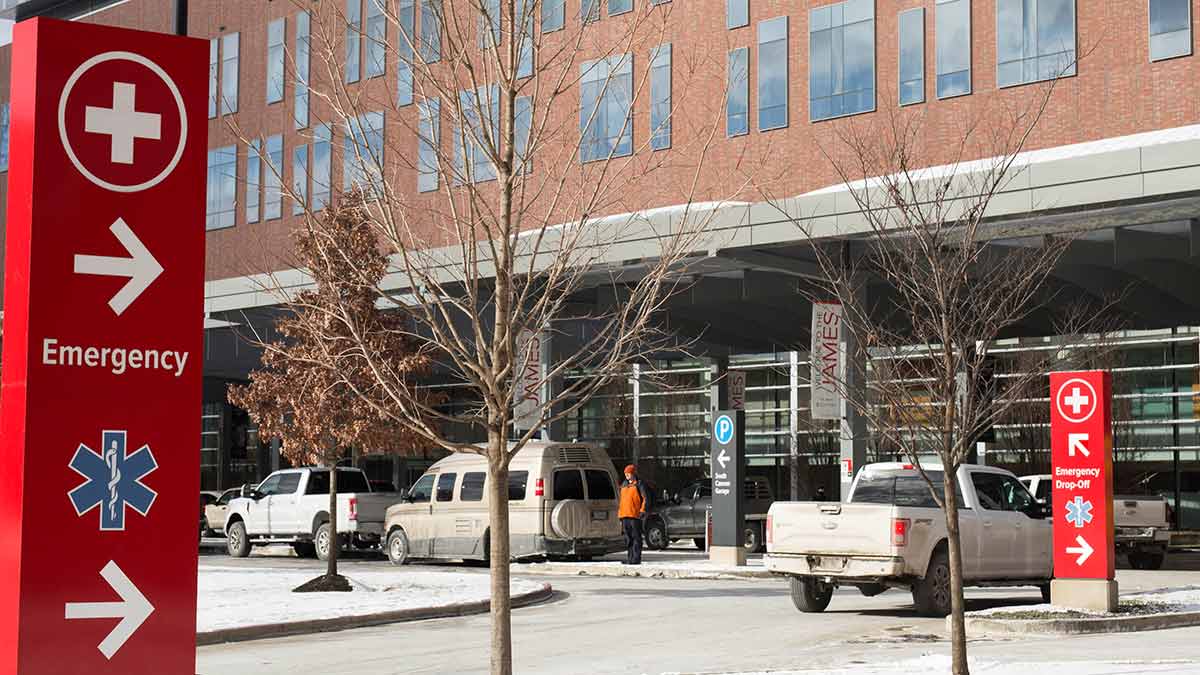
Emergency department or urgent care? How to decide
Emergency department or urgent care? An Ohio State expert helps you decide.

 A team of about 75 rescue specialists and medical professionals from Ohio geared up in the middle of the night and left the state in a 14-vehicle convoy to help with destruction from Hurricane Matthew.
Ohio State’s Dr. Dan Bachmann is on the team, called Ohio Task Force 1, which started out late Thursday. The group, one of 28 urban search and rescue teams managed by Federal Emergency Management Agency, positioned itself in Georgia over the weekend as the hurricane bore down on the coast, waiting to find out where help was needed most.
While the team members waited, sometimes seeing the hurricane’s outer cloud bands, they practiced mission scenarios and maintained their variety of specialized equipment, Dr. Bachmann explained in a series of texts during his travels. The entire team receives daily medical screenings, too.
The team received its updated orders on Saturday: Head toward the Carolinas where the flooding was expected to be bad.
The caravan was slowed by high water and downed trees that blocked roads, including the interstate.
They finally arrived at Fort Bragg, North Carolina, and started assisting residents around 4 a.m. Sunday.
Working in shifts for more than 24 hours, the team from Ohio used boats to rescue at least two dozen stranded people and many family pets, according to reports from WHIO-TV in Dayton, whose crew is traveling with Ohio Task Force 1.
Dr. Bachmann, who works in the Emergency Department at The Ohio State University Wexner Medical Center, was stationed at a local volunteer firehouse to provide medical treatment.
 He saw some buildings with water levels as high as their roofs, and some people lost their homes completely, he says. Much of the area lost power, and multiple bridges and dams failed, making normal routes unusable, he adds.
The flooding also drove many animals from their shelters, Dr. Bachmann says. At one point, Ohio rescuers in boats helped guide cattle out of high waters.
Eventually, the team moved a bit south to another town where a levee had broken, launching its rescue boats once again.
Dr. Bachmann, one of two physicians on the mission, says two people the team helped with serious conditions were a woman with bleeding treated with a tourniquet and a man with low body temperature and low blood pressure and blood sugar levels.
That count comes from the TV reporter who accompanied the group to document its work.
Dr. Nicholas Kman of Ohio State’s Emergency Department also deploys with Task Force 1 on some missions, though he didn’t go on this trip. When he or Dr. Bachmann is called to help last-minute, the Emergency Department staff pitches in to cover their hospital shifts.
Learn more about Ohio Task Force 1, which is at-the-ready to help Ohio and other states in an emergency.
This update of a story that first appeared on the blog on Oct. 10 includes additional information about the Task Force's mission.

Emergency department or urgent care? An Ohio State expert helps you decide.
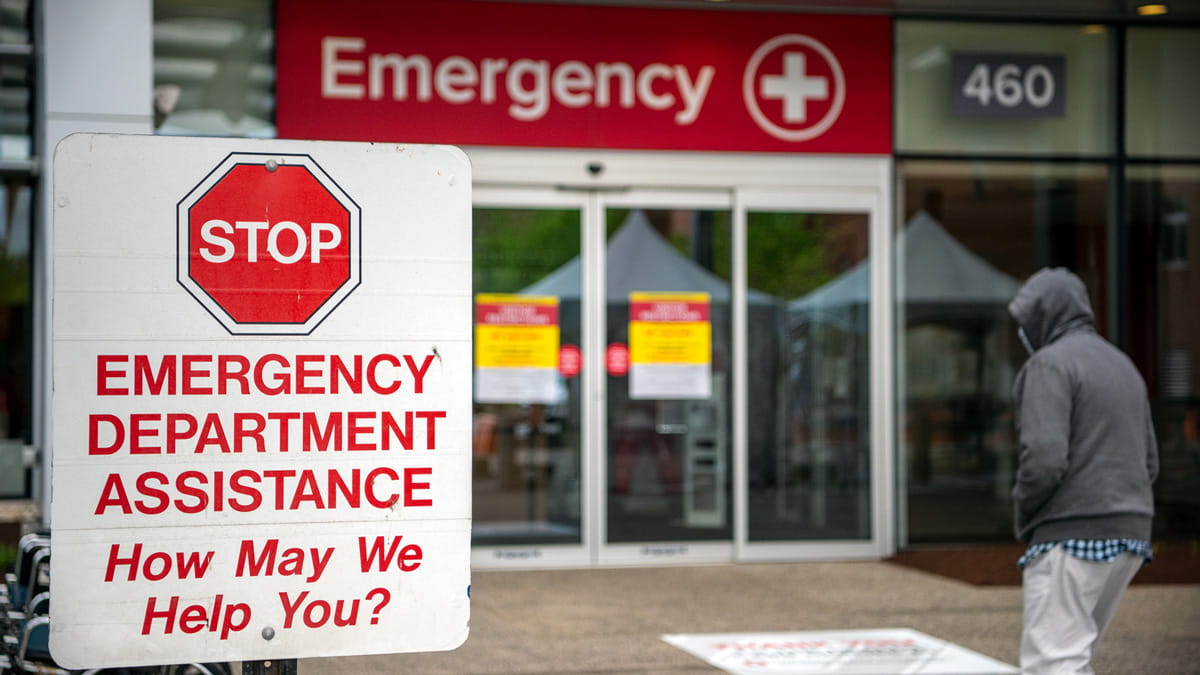
During the COVID-19 outbreak, we’re advised to stay home as much as possible to limit the spread of the virus. But if you appear to be having a medical emergency, you should call 911 and get help. It's important to know that emergency care shouldn’t be delayed because of COVID-19 fears.
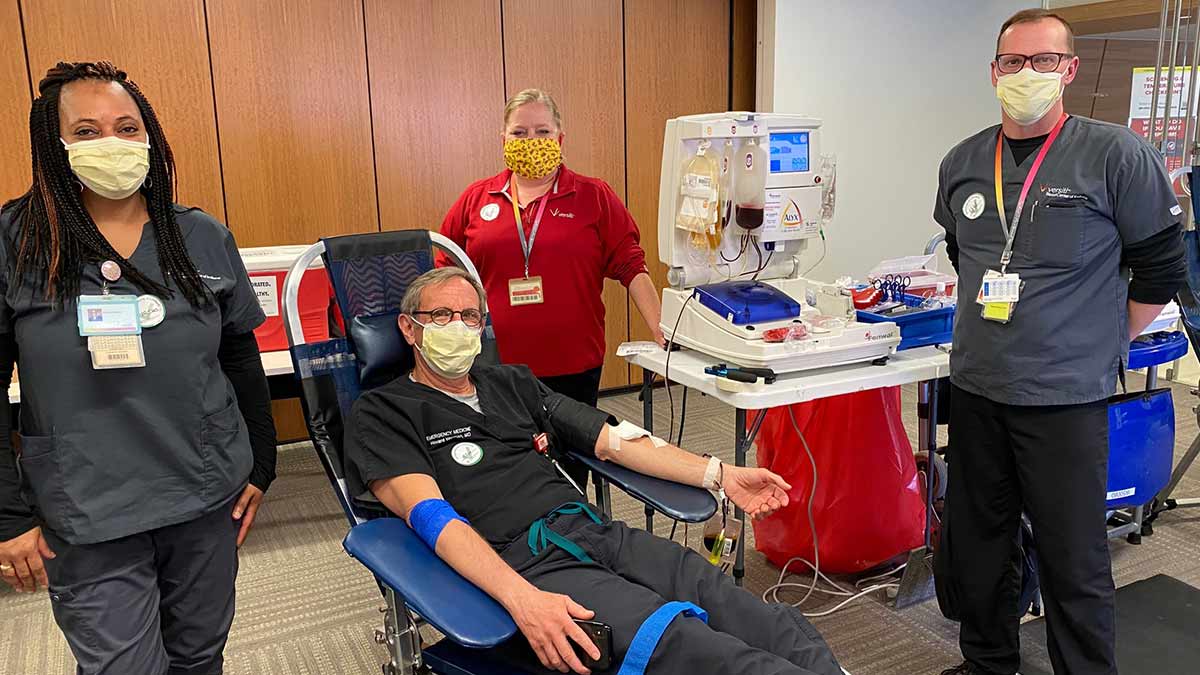
Dr. Howard Werman explains how he was the first person to donate blood for a new program that The Ohio State University Wexner Medical Center is offering to treat critically ill COVID-19 patients. This is part of a nationwide effort to provide a portion of his blood—also known as convalescent plasma—as a potential treatment.
