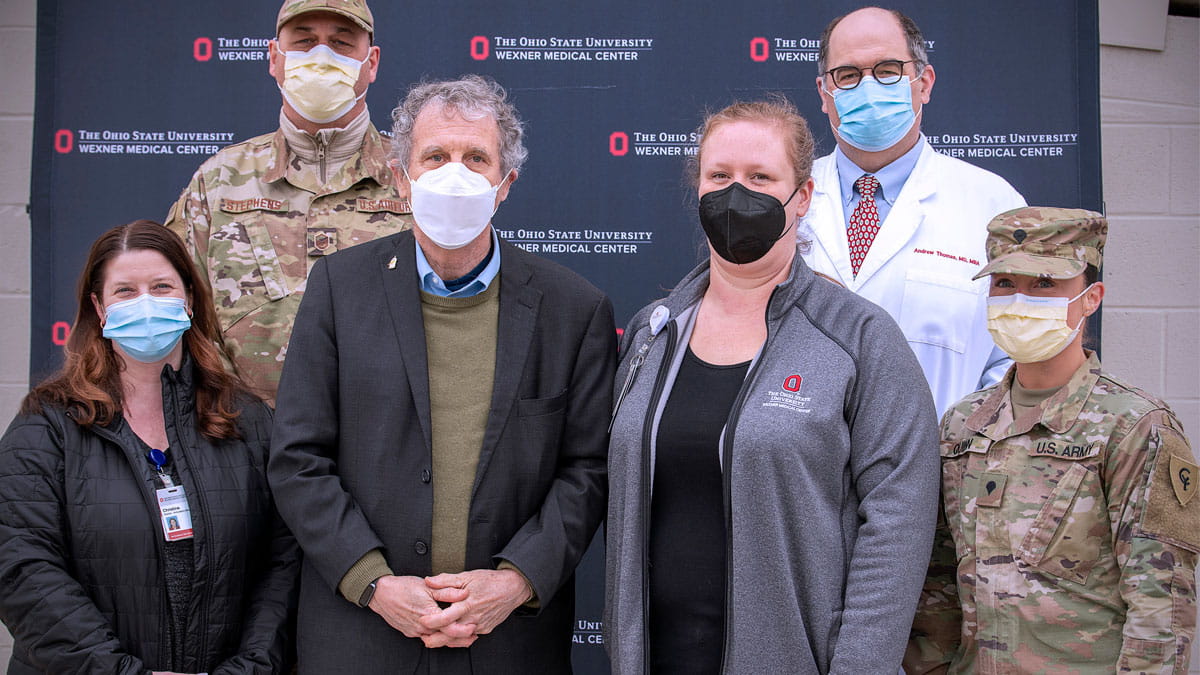
Sen. Brown tours COVID-19 testing site at CAS
Sen. Brown talks with members of the Ohio National Guard who’ve joined health care workers across the state on the front lines in the battle against COVID-19.


Despite the health benefits of exercise, contracting certain infections can derail an athlete’s season and put the entire team’s health in jeopardy. That’s why it’s important to know the potential risks and how you can protect yourself from getting an infection.
Athletes are susceptible to many infections, but the most common are respiratory, skin and viral infections.
Another well-known potential health issue in athletics is MRSA, a tough to treat bacteria that can live on the skin.
If an athlete has mononucleosis, a virus that causes fatigue, sore throat, fever, swollen lymph nodes and headaches, sitting out can prevent a life-threatening complication.
“Mono can cause enlargement of the spleen and, if the patient’s participating in sports, especially contact sports, they could rupture the spleen, which is a life-threatening injury,” Day says. “The recommendation is to limit them from play – typically it’s about three weeks, sometimes longer – if they have a significantly enlarged spleen.”
“There could be a very small risk of transmission if you were exposed to the blood of someone who’s infected with one of these blood borne pathogens, if you have an open area in your skin or mucous membrane,” Day says. “When there is visible blood, the player is removed and they aren’t allowed to come back until they’re no longer bleeding.”
Athletes can do a number of things to protect themselves from infections.
“Make sure you’re giving your body the fuel it needs to rebuild its immune system after activity,” he says.
“Following any exercise, the biggest thing to do is to continue really good hand hygiene and self-hygiene,” Day says. “Shower immediately after exercise. If you’re using communal showers, don’t share bar soap and use a clean towel every time. After every practice or game, wash and completely dry your uniform.”
“They have a huge responsibility in identifying these infections early, especially because athletes are in close quarters,” Jonesco says. “Whether it’s in gyms, team buses or staying in hotels, that’s how things can spread rapidly and can go from an isolated case to an epidemic quickly.
Both doctors recommend keeping vaccinations current and avoiding other people who are sick.
Jonesco says the neck check can provide some guidance on whether you can exercise, practice or play when you’re sick.
Sen. Brown talks with members of the Ohio National Guard who’ve joined health care workers across the state on the front lines in the battle against COVID-19.

Dr. Andrew Thomas and his decades of leadership experience at The Ohio State University Wexner Medical Center have been vital in the state’s fight against COVID-19.
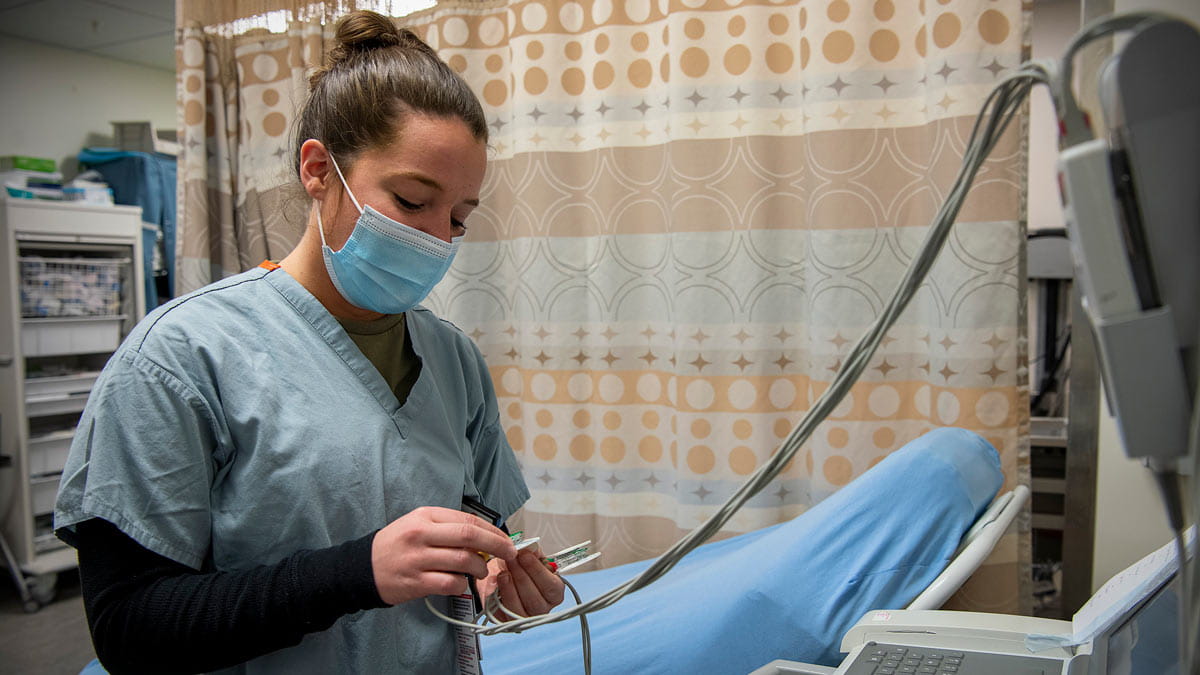
Dozens of other Ohio National Guardsmen have been sent to assist in non-clinical roles, including environmental services, nutrition services and patient transportation. And more are expected in the coming weeks.
