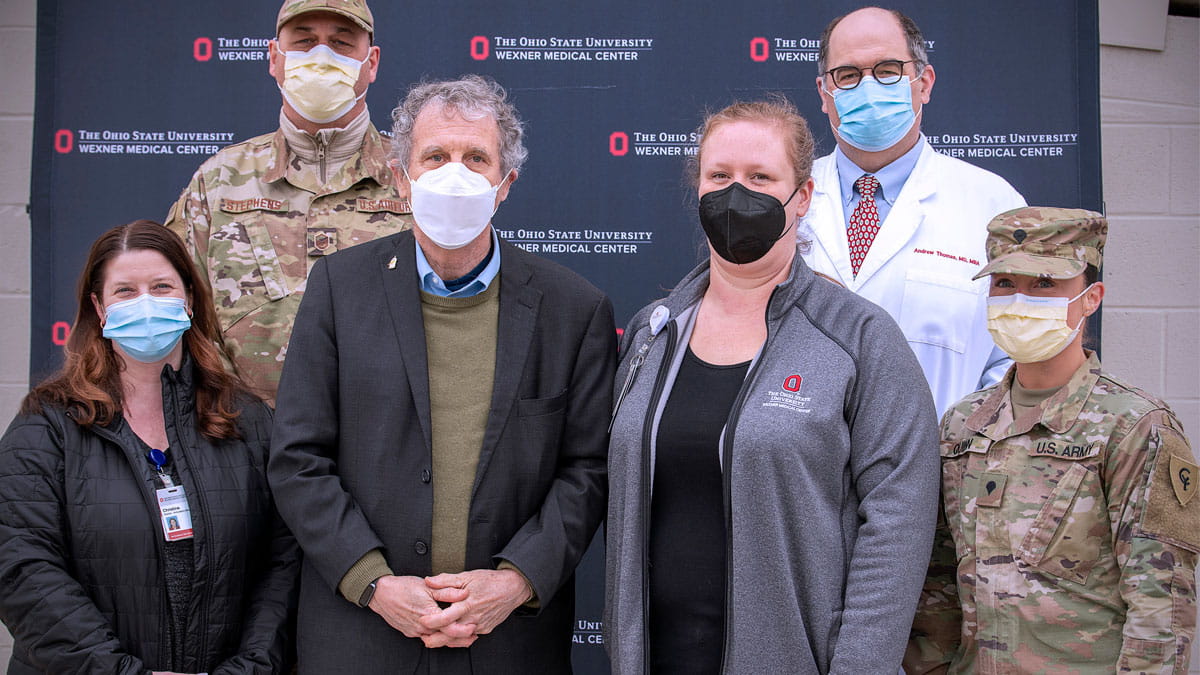
Sen. Brown tours COVID-19 testing site at CAS
Sen. Brown talks with members of the Ohio National Guard who’ve joined health care workers across the state on the front lines in the battle against COVID-19.


Sexually transmitted infections (STIs) continue to rise in the United States. According to the Centers for Disease Control and Prevention, cases of STIs are up for the fourth year in a row. Here’s a snapshot:
Left untreated, STIs can lead to an increased risk of contracting HIV and can cause serious complications such as abdominal and pelvic pain, pregnancy complications and infertility. STIs may not show any symptoms, and if you do develop symptoms, they’re often mild. That’s why it’s important to get tested if you’re sexually active, practice safe sex and to talk with your partner about STIs.
Having a conversation about your sexual history may not come easy for you, but the key thing is to remove emotion and focus on the facts.
1. Get tested.
If you’re thinking about engaging in a sexual relationship, you have to be ready to talk about STIs. The first thing you and your partner should do is get tested. Share the results with each other. Here are some general STI testing recommendations from the CDC:
2. Use protection.
Protective barriers help prevent infections from happening. Practice safe sex by correctly using a condom during every sexual encounter. There are numerous types of barriers. I always recommend people walk down the aisle where they sell feminine hygiene supplies and condoms to see the new products there that you can use.
3. Consider practicing mutual monogamy.
Once you’ve both been tested and you’re in a mutually monogamous relationship where you’re only going to have sex with each other, then and only then, can you consider not using protection.
4. Share your results and get treated.
If your test is positive for a STI, get treated and use protection next time. Share your test results with every sexual partner you’ve had within the past 60 days. To encourage my patients, I tell them they’re actually being a hero by stepping up and preventing this from happening to somebody else. If you were in their shoes, wouldn’t you want to be informed so you can get tested and treated? You don’t want to be the reason for somebody’s infertility or chronic pain.
5. Get help from a neutral party.
Talk to your doctor about your sexual health. We can help facilitate the conversation. If you don’t feel comfortable doing that, local health departments provide confidential counseling and free or low-cost testing. If you’re in a committed relationship, you may want to consider family or relationship counseling.
Sondos Al Sad is a family medicine physician at The Ohio State University Wexner Medical Center who places a strong emphasis on preventive health, women’s health and pediatrics.
Sen. Brown talks with members of the Ohio National Guard who’ve joined health care workers across the state on the front lines in the battle against COVID-19.

Dr. Andrew Thomas and his decades of leadership experience at The Ohio State University Wexner Medical Center have been vital in the state’s fight against COVID-19.
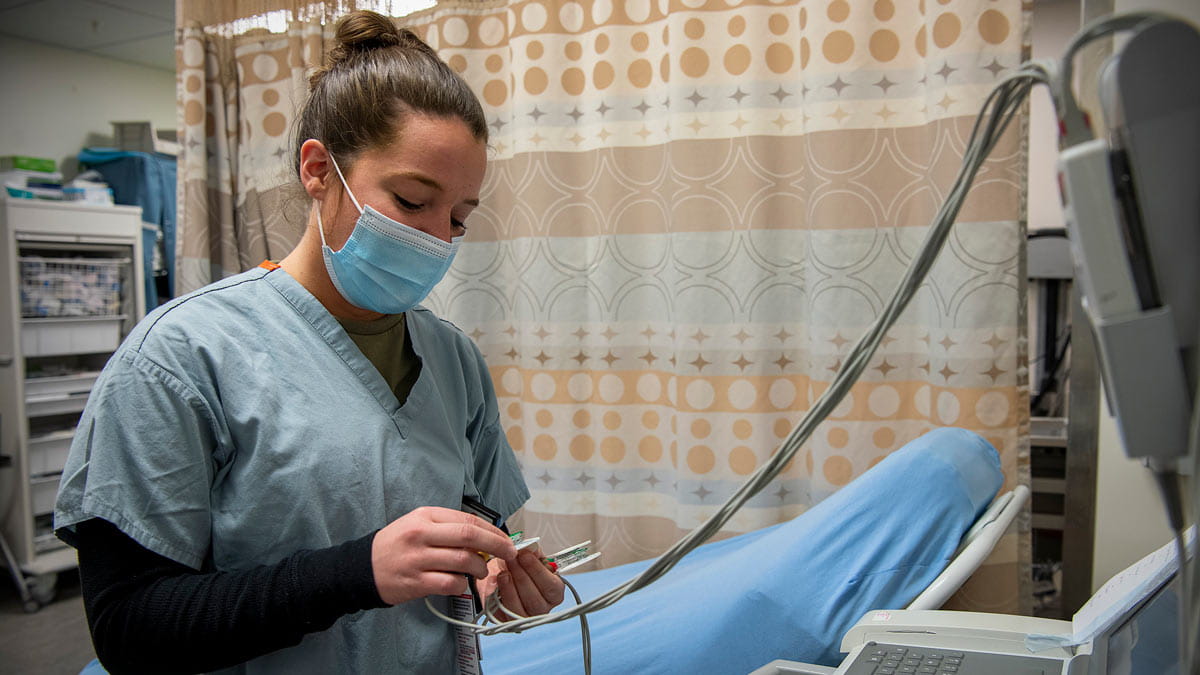
Dozens of other Ohio National Guardsmen have been sent to assist in non-clinical roles, including environmental services, nutrition services and patient transportation. And more are expected in the coming weeks.
