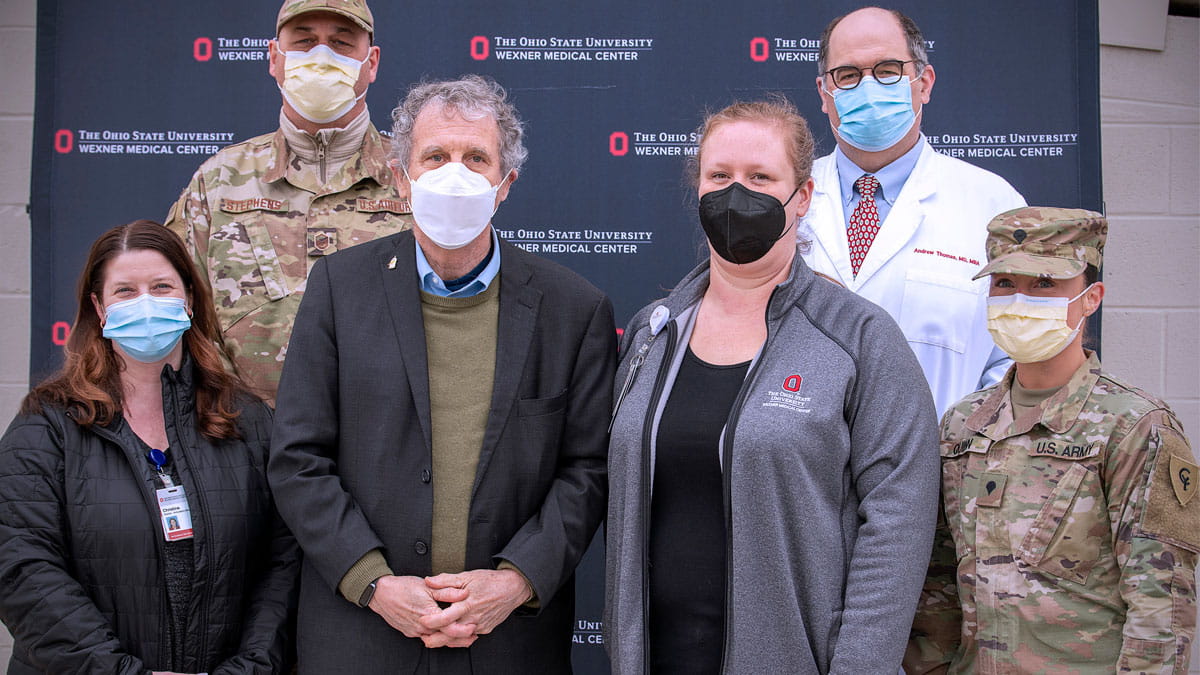
Sen. Brown tours COVID-19 testing site at CAS
Sen. Brown talks with members of the Ohio National Guard who’ve joined healthcare workers across the state on the front lines in the battle against COVID-19.

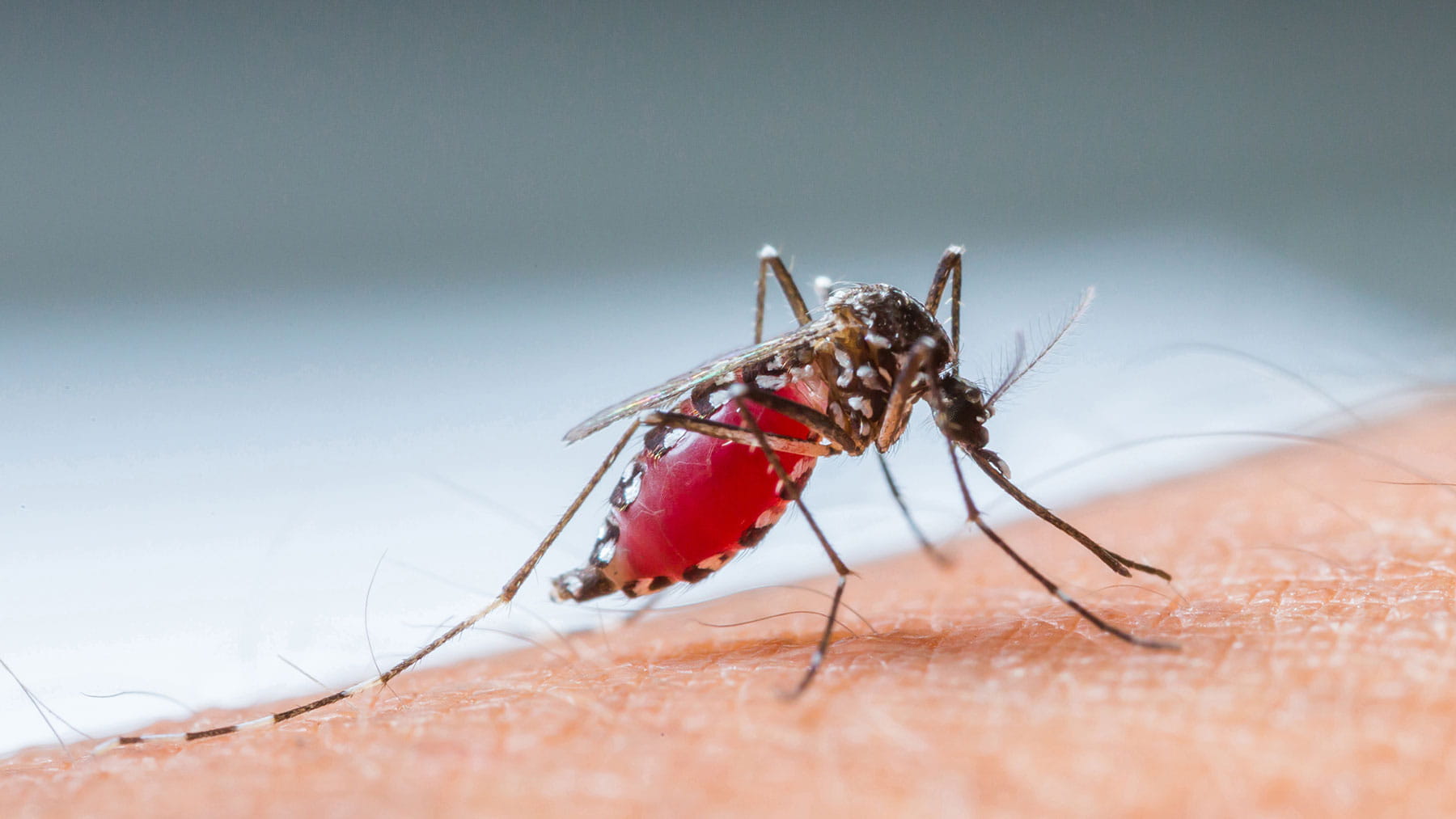
While mosquito-borne infections are still statistically rare in the U. S., we’re seeing more of these viruses and it’s partially due to our global society. Most infections are acquired when traveling outside the U.S. to areas of the world where these viruses are present, but the illness may not present until after the trip home. Although unlikely, there is risk of introducing the virus to mosquitoes here when they then bite us. Changes in mosquito population and distribution also contribute to the increasing number of infections.
So how do you know if you’re one of the few people who developed a serious infection from a mosquito bite? I’ll break it down by virus.
West Nile virus
West Nile virus is the most common mosquito-borne infection in the United States. It’s spread by the Culex mosquito, which bites from evening to morning. Most infections are asymptomatic, so you’ll never know you had it and it won’t cause any problems. A small number of people will develop non-specific symptoms like fever and malaise. Less than 1 percent of people will develop severe infections that cause neurological problems and encephalitis. The elderly are at higher risk. There’s no specific anti-viral treatment for West Nile virus, only supportive care. People with severe infections require hospitalization.
Zika virus
The Zika virus was identified in the Americas in 2015 at a time when there was no immunity in the population because they had never been exposed to it. It’s spread by infected Aedes aegypti and Aedes albopictus mosquitoes, which primarily bite during the daytime but can also bite at night. Zika can be passed from a pregnant woman to the baby, causing birth defects such as microcephaly, impaired growth, hearing deficits and eye problems. It can also be sexually transmitted. Zika causes fever, rash, headache, joint pain, red eyes and muscle pain for a few days to a week. There is no vaccine or anti-viral medication for Zika.
Chikungunya virus
The Chikungunya virus arrived in the Americas in late 2013. It causes fevers, headaches, chills and body aches, but the differentiating symptom compared to the other viruses is severe joint pain. The joint pain can last for weeks, months or even years in some cases. The mortality rate is low, but the joint pain can have a major impact on quality of life and may limit your ability to work. There is no vaccine or anti-viral treatment for Chikungunya. It’s also spread by infected Aedes aegypti and Aedes albopictus mosquitoes.
Dengue virus
The dengue virus causes fever and at least two of the following: headache, severe pain behind the eyes, joint pain, rash and bleeding. Dengue hemorrhagic fever can cause serious hemorrhagic symptoms, like bleeding from the nose or gums, vomiting blood and bloody bowel movements, that can be fatal. There’s no specific treatment for dengue, just supportive care. Dengue hemorrhagic fever requires hospitalization. Dengue isn’t typically found in the United States. It’s also spread by infected Aedes aegypti and Aedes albopictus mosquitoes.
When to see a doctor
There’s a three- to 14-day incubation period for these viral infections, so you are not going to develop symptoms immediately after a bite. If you have a flu-like illness with fever and you don’t know why, you should be evaluated. Zika, Chikungunya and dengue viruses are typically acquired with travel outside the United States, so if you have a fever when you return from traveling, you need to be evaluated by a physician.
Mosquito bite prevention
The best way to avoid these mosquito-borne illnesses is to prevent mosquito bites. Here are a few best practices:
Shandra Day is an infectious disease physician at The Ohio State University Wexner Medical Center.
Sen. Brown talks with members of the Ohio National Guard who’ve joined healthcare workers across the state on the front lines in the battle against COVID-19.

Dr. Andrew Thomas and his decades of leadership experience at The Ohio State University Wexner Medical Center have been vital in the state’s fight against COVID-19.

Dozens of other Ohio National Guardsmen have been sent to assist in non-clinical roles, including environmental services, nutrition services and patient transportation. And more are expected in the coming weeks.
