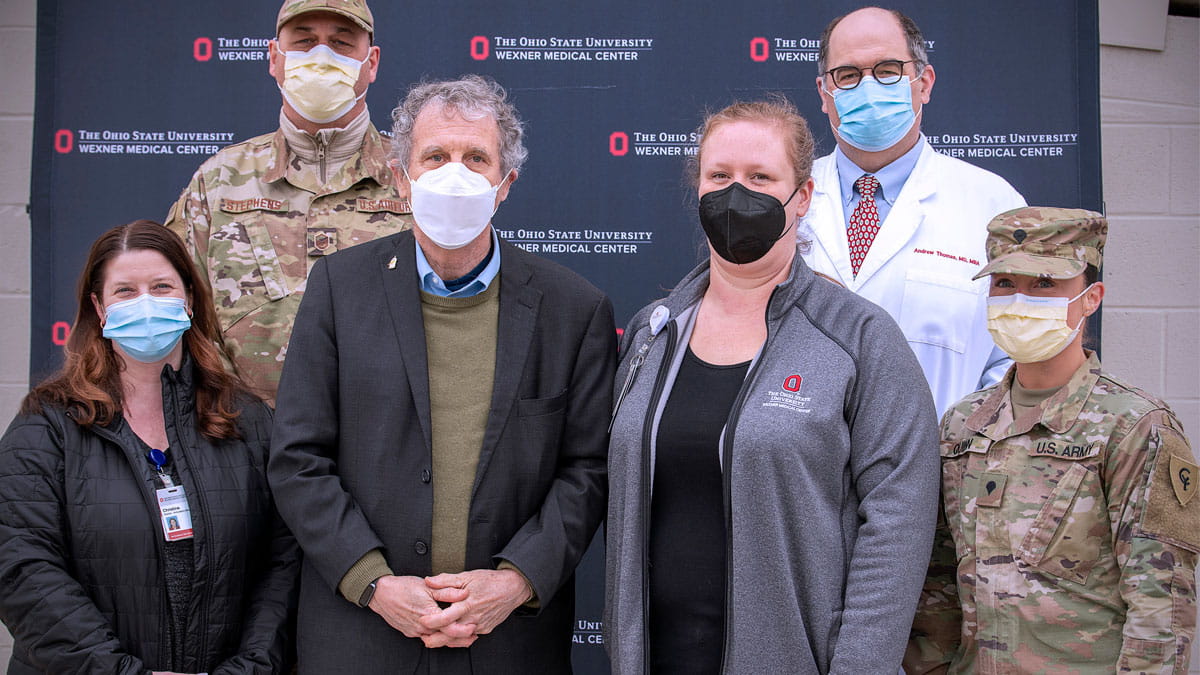
Sen. Brown tours COVID-19 testing site at CAS
Sen. Brown talks with members of the Ohio National Guard who’ve joined healthcare workers across the state on the front lines in the battle against COVID-19.

Mask or no mask? Who's vaccinated and who isn’t? Why are COVID-19 hospitalizations up again? Is a hug OK? How dangerous is this new variant?
These are questions running through the minds of many people as we return to a “normal,” post-COVID-19 world. Backyard barbecues, concerts, weddings, sporting events, fairs and so many other summer celebrations are back on, as well as a return to the office for many Americans. For some who have been diligent in avoiding social gatherings and crowds for so long, this return to a normal lifestyle isn’t easy.
We’ve seen an increase in individuals expressing anxiety about COVID-19 restrictions being lifted. Many have described confusion about when and where masks should be worn. They’ve expressed anxiety about how people are looking at them in places where masks aren’t even required. Fears about the fast-spreading delta variant have caused some to rethink which events they’re willing to attend. A strong desire to connect with others is being hampered by anxiety over their risk of getting COVID-19, even though they’ve been vaccinated.
It’s likely anxiety will last as long as there are still many cases of infection. Anxiety thrives within an environment of uncertainty.
We’re living in unprecedented times, and anxiety and depression levels are through the roof. Over the duration of the pandemic, one in four people have reported that they or a family member lost their job. Daily schedules have been interrupted with many working remotely and juggling work, children and household in the same setting. Online interactions have replaced in-person ones. These are remarkable behavior-pattern shifts.
To gauge the nation’s mental health, the National Center for Health Statistics has partnered with the Census Bureau on surveys of Americans. The findings are telling. Previously, in 2019, 12-15% of participants said they were experiencing anxiety, depression or both. During the peak of the pandemic, it increased to 43%. That’s a huge jump — but hardly surprising, since many were watching daily news reports about COVID-19 death counts and rising unemployment rates.
Jumping back into society won’t be easy for everyone. If you’re feeling anxious or depressed, you’re not alone. It’s important to find ways to reduce your anxiety and depression.
With the return of travel and in-person visits, and with mask confusion and a labor shortage, our lives are filled with potential landmines that can trigger anxiety and depression. For some, what manifests as anger is actually depression.
Here are some tips to help you or a loved one cope with the idea of returning to everyday activities:
Sen. Brown talks with members of the Ohio National Guard who’ve joined healthcare workers across the state on the front lines in the battle against COVID-19.

Dr. Andrew Thomas and his decades of leadership experience at The Ohio State University Wexner Medical Center have been vital in the state’s fight against COVID-19.
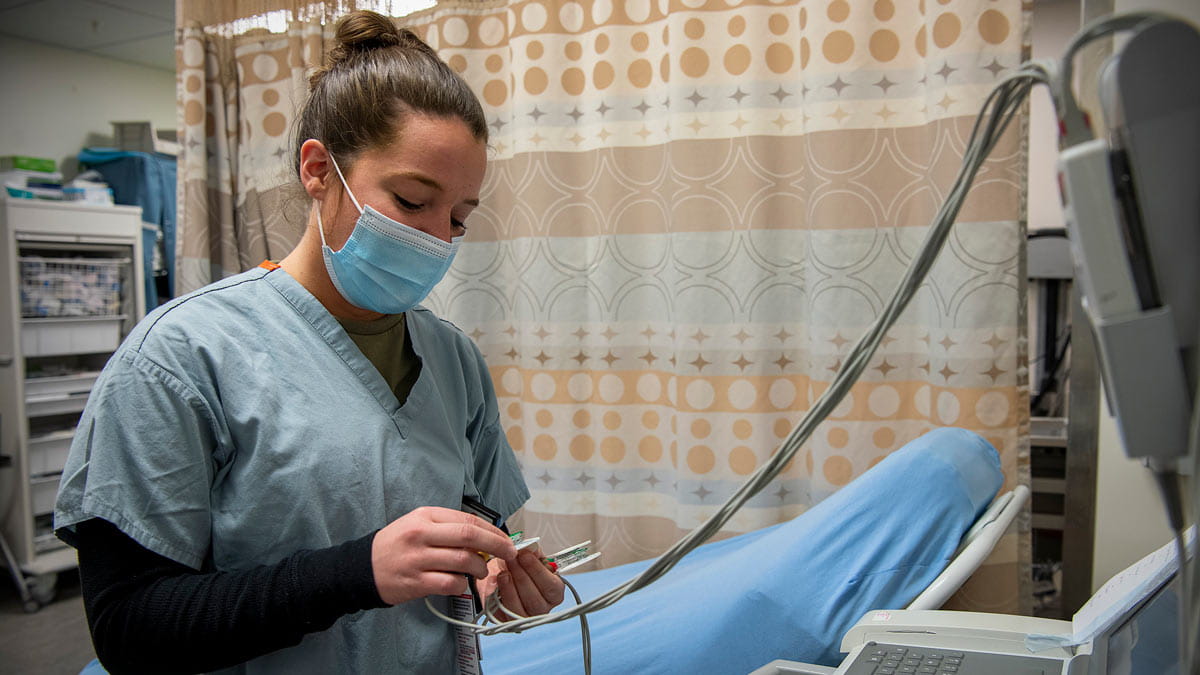
Dozens of other Ohio National Guardsmen have been sent to assist in non-clinical roles, including environmental services, nutrition services and patient transportation. And more are expected in the coming weeks.
