
March 2, 2026
Key takeaways
- The Ohio State University Wexner Medical Center safely moved 425 patients into its new University Hospital, completing the transfer in less than eight hours.
- The new high-tech hospital features 820 private rooms with large windows and advanced technology, 24 operating rooms, 234 ICU beds, and areas for stroke care, cancer treatment and Level 4 maternity care.
- Careful planning, teamwork and innovative technology helped make the move smooth and safe, marking a new era in personalized healthcare for patients and staff.
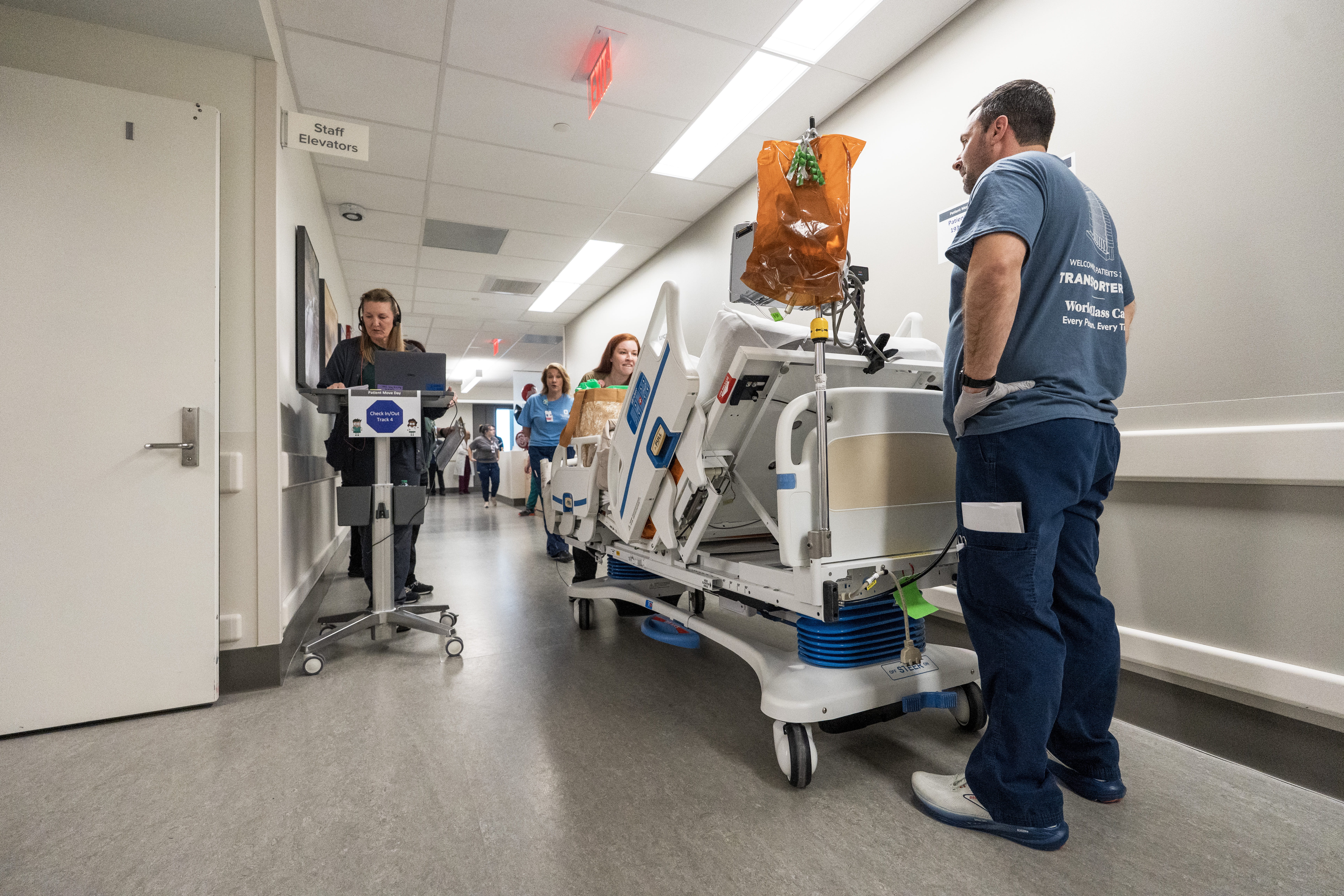 COLUMBUS, Ohio – At 9 a.m. on a snowy Sunday in late February, the highly synchronized transfer of patients into the new University Hospital began at The Ohio State University Wexner Medical Center.
Nurses huddled in the hallways of the medical center's existing 1950s-era hospital, double-checking sequencing plans that mapped out exactly where — and how — each patient would be transported.
Once the final checks were completed, clinical teams began simultaneously pushing patients on hospital beds along three routes through hallways connecting one side of the medical center's sprawling campus to the gleaming new $1.9 billion University Hospital with its 820 spacious private rooms.
The 1.9-million-square-foot, 26-story hospital is the largest single-facility construction project ever undertaken at Ohio State and the largest single-facility hospital project opening in the United States in 2026. University Hospital adds nearly 400 beds to the Ohio State Wexner Medical Center.
“We had a very thoughtful, year-long process of putting together kind of a minute-by-minute plan,” said Karen Sharp, director of the new hospital’s activation team. “We numbered all of the patients and then started at the top, with several patients being moved at the same time, each being transported through their own designated route with the hospital.”
 Sharp and her 12,000 colleagues planned, trained and practiced for months to get move-in day right.
Each patient was accompanied by two members of the transport team and a nurse as they navigated up to three-tenths of a mile along three dedicated indoor routes leading to the high-tech hospital. Throughout the day, observers from six other hospital systems watched and learned as the process unfolded.
As patients entered their new 349-square-foot rooms, natural light poured in through large 9-foot windows, creating a soothing atmosphere. Every room includes a 75-inch digital screen that lets patients access care team details, telehealth and video conferencing, control their environment, learn about their health and enjoy entertainment or relaxation content.
“Advanced technology in each room and throughout the hospital improves their experience, reflecting the team's careful planning. It helps their healing and their comfort level and it will certainly bolster their positive mood,” said Andrew Thomas, MD, who is the Robert F. Wolfe and Edgar T. Wolfe Foundation chief clinical officer at Ohio State Wexner Medical Center and senior associate vice president for Health Sciences.
Other highlights include:
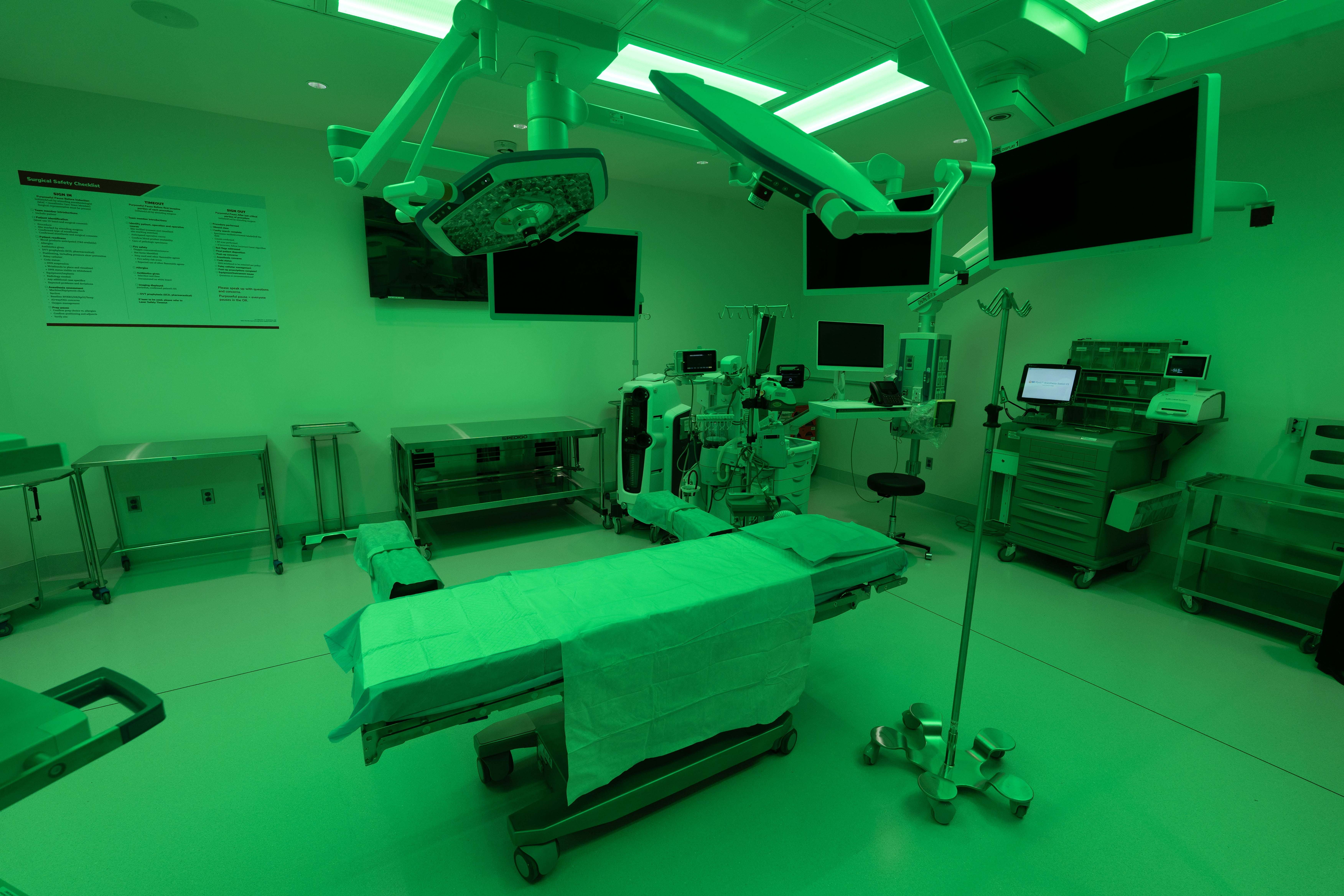
- 24 operating rooms, including two hybrid neurovascular suites for complex stroke care
- 10 interventional radiology suites for advanced imaging-guided procedures
- 234 intensive care unit (ICU) beds
- Region’s only Level 4 maternity care hospital with an express elevator feature for laboring patients
- 24/7 dining access with mobile ordering available
- 24/7 access to indoor and outdoor spaces for reflection
- 148 additional beds for patients of The Arthur G. James Cancer Hospital and Richard J. Solove Research Institute
The close proximity of both hospitals is a real game changer for patients and care teams who can more easily collaborate on complex cases, said Traci Mignery, RN, interim chief nursing officer of University Hospital and Ross Heart Hospital. Enhanced nurse call systems also increase patient care efficiency and continuity during their stay.
“These things really make a difference in us being able to connect with our patients and focus on them and the personalized care they need,” Mignery said. “Meanwhile, in the background, we’ll be able to get alerts that we need in a timely manner,” Mignery said.
Less than eight hours after the move began, at 4:33 p.m., all 425 patients had been successfully and safely transported into the new University Hospital, signaling a new era in personalized healthcare.
Media contact
Eileen Scahill, Medical Center Media Relations; Eileen.Scahill@osumc.edu