Provider trainings lead to more equitable women’s health care
Ohio State is filling training gaps for Ohio health care providers with two projects designed by experts in maternal-fetal medicine and emergency medicine.

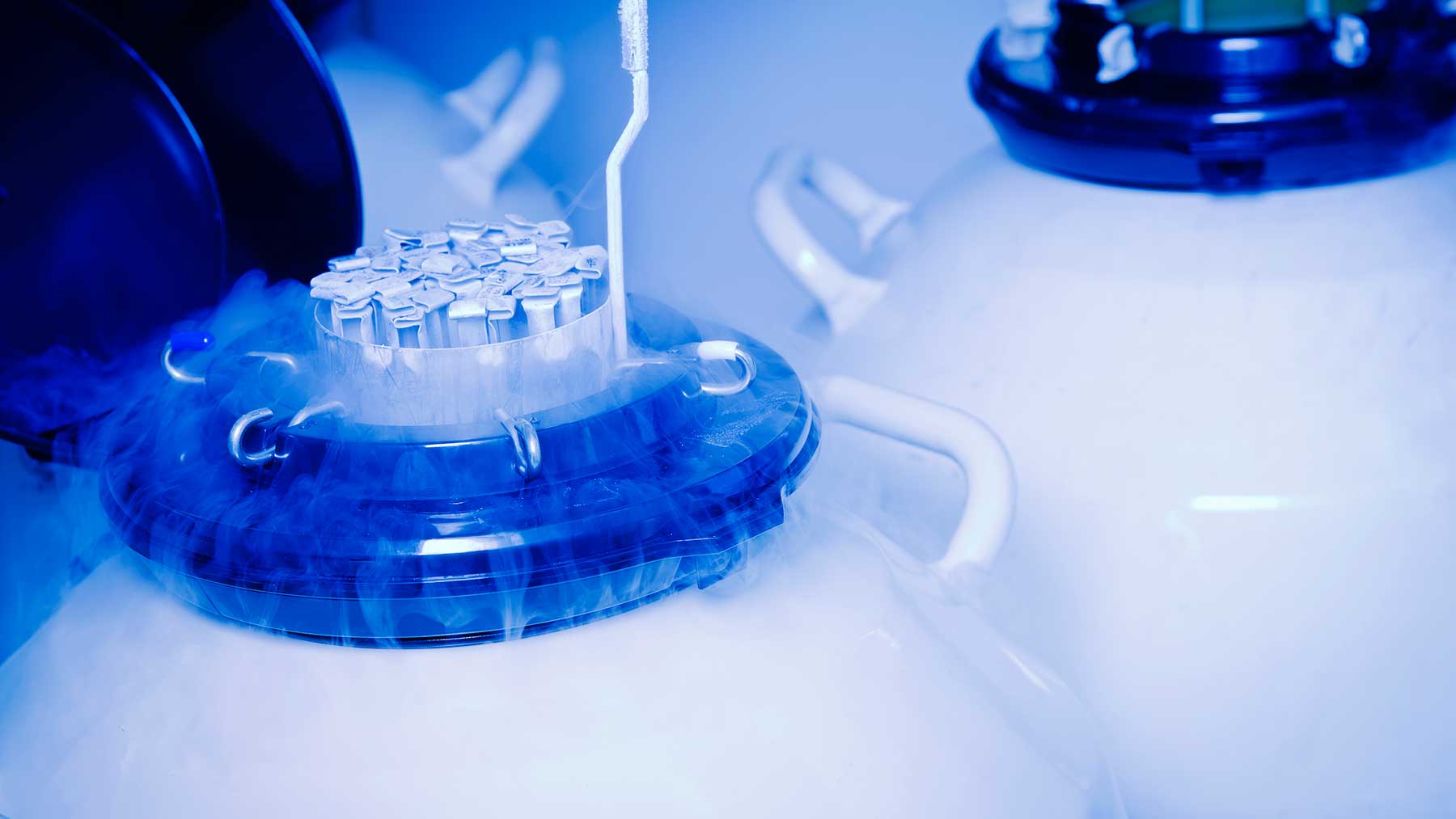 Have you heard about an option for women to freeze their eggs to use when they’re older?
A small but growing number of women are freezing eggs with the help of Beth Kennard, MD, director of the Division of Reproductive Endocrinology and Infertility for The Ohio State University Wexner Medical Center. Dr. Kennard says women give a few reasons for wanting the procedure that’s been getting more attention recently:
Here are six things that Dr. Kennard wants you to know about freezing and storing eggs:
But that’s not what happens typically. Eggs frozen when you’re younger – think 20s or early 30s – give you the best chance for a successful pregnancy, Dr. Kennard says.
However, younger women are less likely to freeze eggs because they have more time to get pregnant the traditional way.
Anecdotally, Dr. Kennard estimates that most women she cares for are around age 38.
Women seeking the procedure talk about wanting more choices for when to have a baby, Dr. Kennard explains. They say things like:
I want this because I’m not sure where my future is headed.
I’m not at the right point in my career to start a family.
I haven’t found a partner yet with whom I want to have children.
While success rates have improved from five to 10 years ago, people need to understand that the process is not like coming back to your bank account years later and getting all the money you put in, she says.
“This is giving you an opportunity to get pregnant in the future, but it’s not a guarantee.”
Improve your odds: The more eggs you store and the younger you are when you do so equate to better chances of having a baby later. But it still could be unsuccessful.
Risk of chromosomal problems for babies increases as women age. If you freeze eggs at age 29 and deliver a baby at 40, the possible health problems for the child would be the same as those for babies born to 29-year-olds.
Note: Increased health risks for an older pregnant woman, such as gestational diabetes or hypertension, still exist no matter when her eggs are frozen.
But women regularly handle it just fine. Dr. Kennard explains the steps to collecting and storing eggs, which take place over approximately two months:
6. There is a resource to help you pick a quality provider
The government requires fertility clinics to post success rates for some procedures online.
While the database won’t give you a lot of data on successful pregnancies from frozen eggs because the procedure is newer, you can get a good idea about the quality of a center from its success rates for other treatments, Dr. Kennard says.
“If an office is good at one procedure related to in vitro, it’s going to be good at a lot of things.”
Ohio State is filling training gaps for Ohio health care providers with two projects designed by experts in maternal-fetal medicine and emergency medicine.

Stroke is not just a man's disease. Know the indicators and risk factors for women.
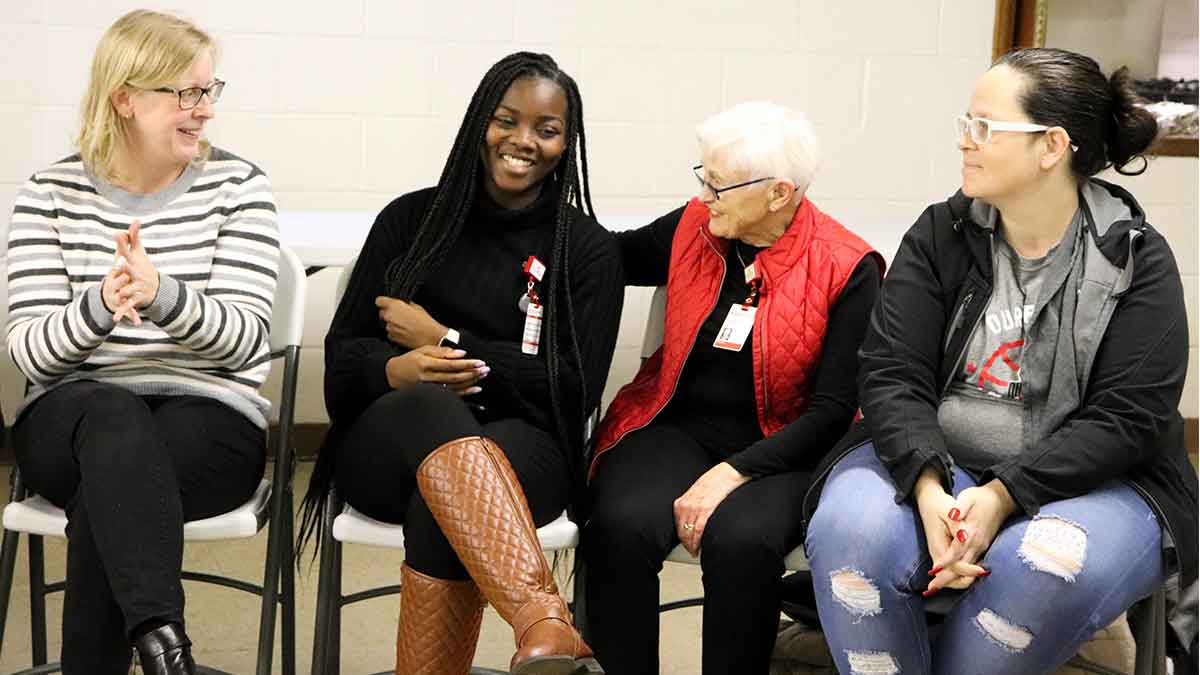
A unique program at The Ohio State University Wexner Medical Center is approaching prenatal and postnatal health in a new way, integrating education, services and support directly into neighborhoods with disproportionately high rates of infant mortality.
