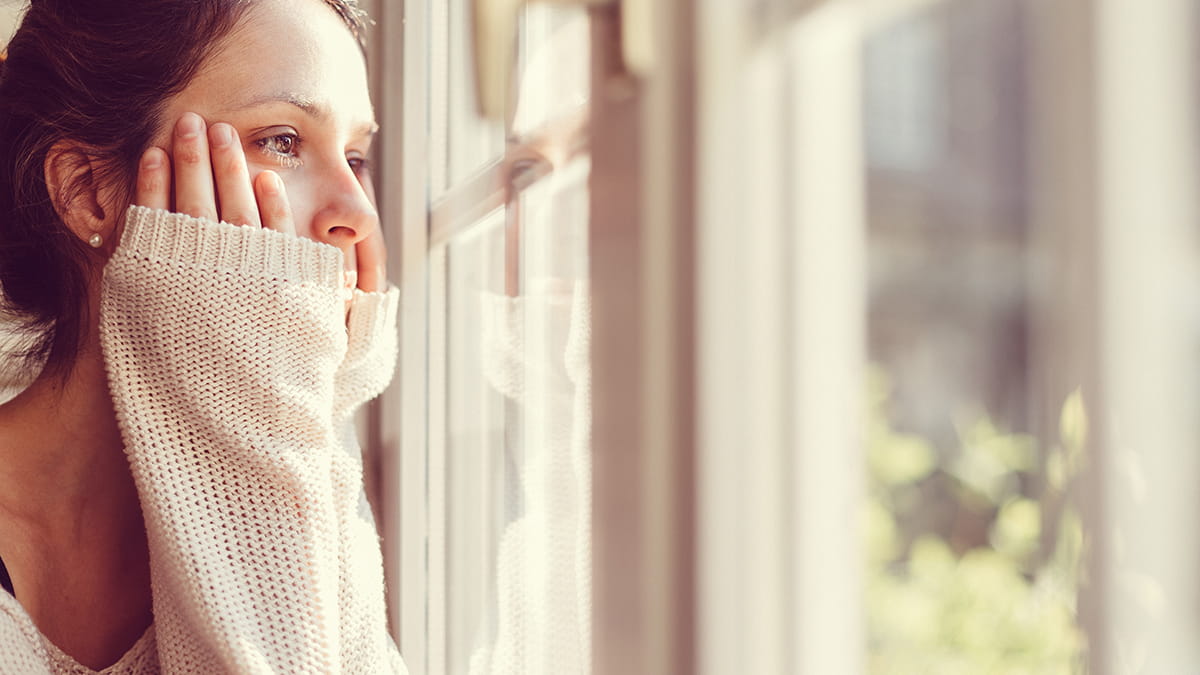
Anxious about returning to the post-pandemic world? You’re not alone
Mask or no mask? Is a hug OK? For some who have been diligent in avoiding social gatherings and crowds for so long, this return to a normal lifestyle is filled with anxiety.


Maybe you’re feeling that the world is out of control and nothing is going according to plan. You may find yourself reaching for your phone and buying that 20-gallon aquarium kit that’s on sale. Feel-good dopamine levels may surge in your brain after purchasing and the stack of boxes at your door might make you feel like you’ve accomplished something.
Some call this “retail therapy” and, while it hardly qualifies as an actual therapy, shopping does make some people feel better. It can relieve stress, help you check a project or gift off a list or just give you the chance to do something nice for yourself.
Yet shopping comes at a cost—quite literally, and especially online, where shopping may feel more like a video game than an activity parting you from your hard-earned money. Before too long, you can find yourself with a lot of stuff and a lot of debt—and none of the happiness you were seeking.
If you find yourself seeking retail therapy, especially during the strange, stressful time of the COVID-19 pandemic, I have a few tips that can keep you from post-shopping regret.
You don’t have to cut up your credit cards just because you might use them. If you have the budget for it, there’s no problem with an impulse purchase or shopping in moderation. Get those storage containers or the 1,000-piece puzzle you’ve been eyeing. Just keep in mind that while a purchase may give you a temporary boost, a bunch of stuff doesn’t add up to a bunch of joy.
Kristen Carpenter is director of Women’s Behavioral Health at The Ohio State University Wexner Medical Center and assistant professor, Psychiatry and Behavioral Health, Psychology, Obstetrics and Gynecology at Ohio State’s College of Medicine.
Mask or no mask? Is a hug OK? For some who have been diligent in avoiding social gatherings and crowds for so long, this return to a normal lifestyle is filled with anxiety.

Just the thought of billions of cicadas tunneling their way up to the surface is enough to seriously creep out people – some to the point where they won’t go in their backyard or to a park.

This Memorial Day, some may be feeling the weight of loss more deeply. Memorial Day is about setting aside time to remember those we’ve lost. Giving ourselves space to feel the emotions that accompany those memories is important.
