
Online price list gives you clarity for your healthcare
Online hospital charge lists can give you clarity for your healthcare costs, but like our medical care – we want to personalize it to you.

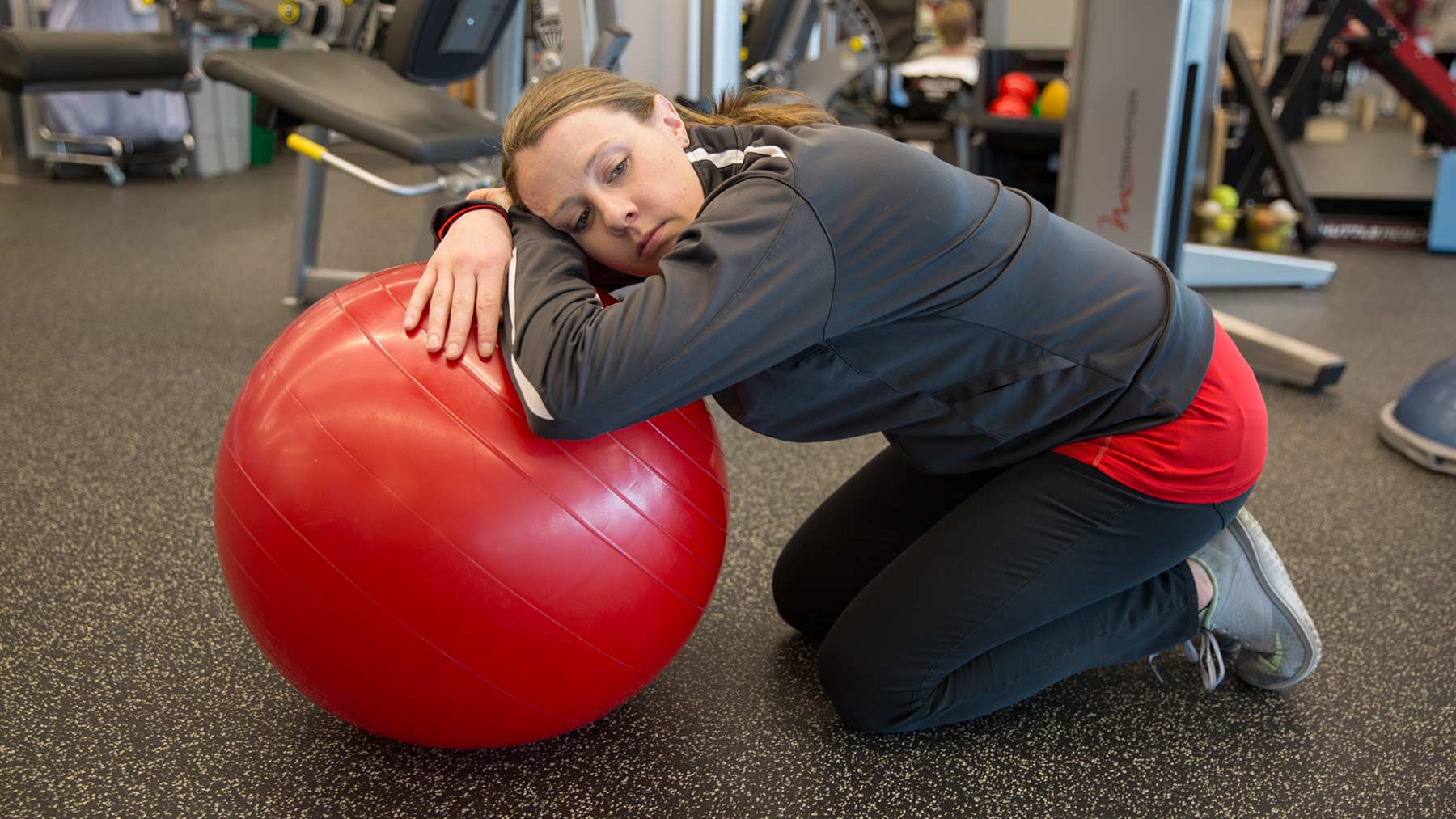 Sleep and exercise. People often say there’s not time in their busy lives to get both every day. So, which one should take the back seat? From a sports medicine physician’s perspective, I say both have to sit up front. The two are inseparable, and you can’t train effectively without both.
I’m guilty of sacrificing one or the other, probably too regularly. I wake up at 6:30 a.m. to play basketball on Saturday mornings when I know my body could use the extra sleep after a busy workweek. But I love it, and I make the cardiovascular workout I get from basketball a priority.
I’m also very aware when my body is unrested. I feel low energy and low motivation, and my focus is nowhere to be found.
I’ve learned to listen to these symptoms and take them as a sign that my body isn’t ready to take the load. Training requires stress to the body – it literally breaks down muscles and tendons. For the body to not only recover, but to come back stronger after the stress, it requires rest – and actual sleep, as recent studies show athletes risk double the rate of injury if they average less than 8 hours of sleep per night.
Let’s take a look at the most common questions people have about balancing sleep and exercise.
How many hours of sleep per night do I need?
The American Academy of Sleep Medicine and Sleep Research Society specify that adults ages 18 to 60 should sleep seven or more hours per night on a regular basis for optimal health. It should be noted that infants, children and teenagers require substantially more sleep than adults.
How many minutes of exercise per day do I need?
The American College of Sports Medicine recommends adults get at least 150 minutes of moderate-intensity exercise per week. Exercise recommendations can be met through 30-60 minutes of moderate-intensity exercise five days per week, or 20-60 minutes of vigorous-intensity exercise three days per week.
What are the consequences of too little sleep?
Sleeping less than six hours per day can have both short- and long-term dilatory effects. Recent studies support what we’ve all likely experienced in our lives: Acute sleep deprivation may result in decline in cognitive performance, alertness and mood, and even your ability to carry out complex physical tasks.
Other symptoms include delayed reaction time, decreased memory and concentration, and decreased response of the body’s sympathetic nervous system, which is important for peak performance. All have been associated with poor sleep patterns and affect how athletes train. Chronic sleep deprivation has even been linked to increased rates of heart disease, infections, inflammation and obesity.
What are some health consequences of too little exercise?
Interestingly, some of the chronic consequences of inactivity are quite similar to lack of sleep. These are well documented.
Is there a way to prioritize exercise into the schedule of a well-rested, working parent?
Many of us struggle with the balance of exercise, rest and family responsibilities. I’ve found several things that can set you up for success with your exercise program:
So, what’s the verdict – Sleep or exercise?
Obviously, it must be a balance. Both sleep and exercise are vital to a happy and healthy lifestyle.
Dr. Michael Jonesco, assistant clinical professor of internal medicine and sports medicine at The Ohio State University Wexner Medical Center, is trained in a wide range of traditional treatment modalities, as well as joint and soft tissue injections, concussion management and osteopathic manipulation. Learn more about his care philosophy.
Online hospital charge lists can give you clarity for your healthcare costs, but like our medical care – we want to personalize it to you.
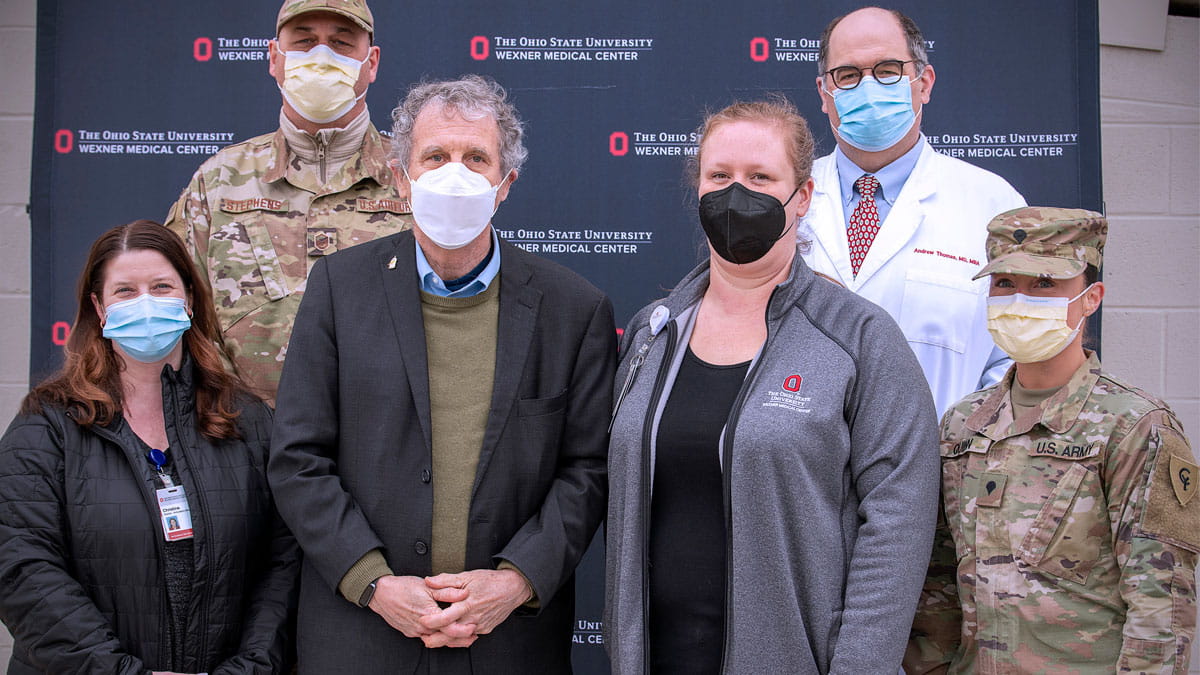
Sen. Brown talks with members of the Ohio National Guard who’ve joined healthcare workers across the state on the front lines in the battle against COVID-19.
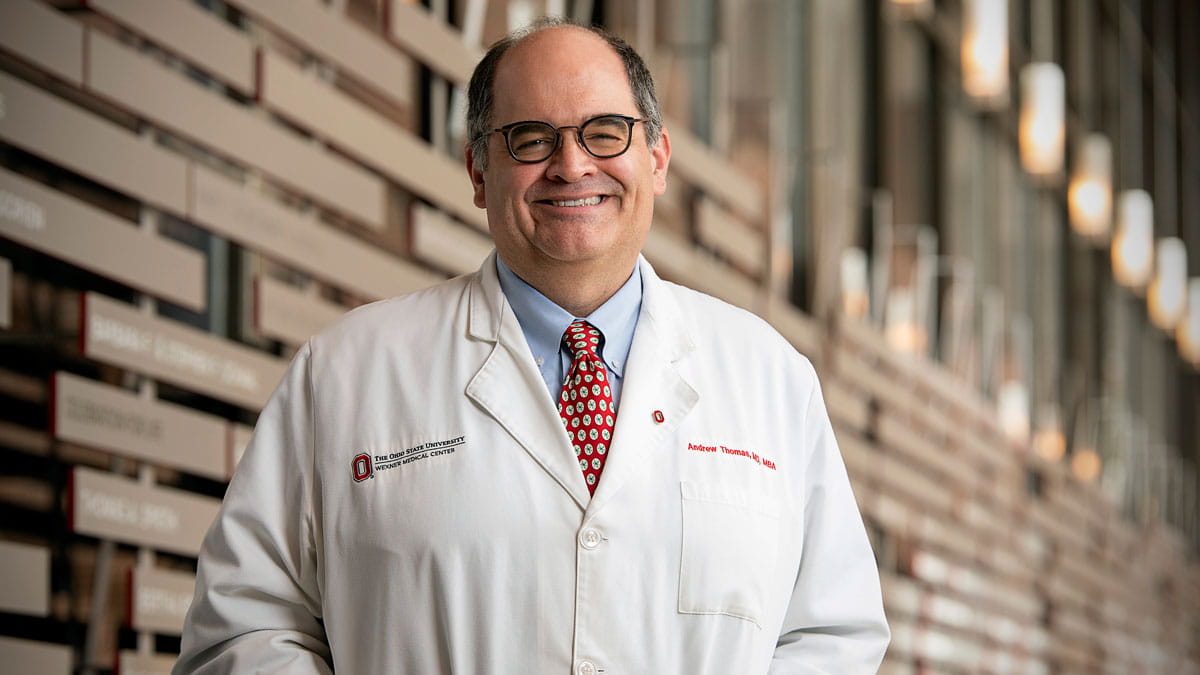
Dr. Andrew Thomas and his decades of leadership experience at The Ohio State University Wexner Medical Center have been vital in the state’s fight against COVID-19.
