
Taking steps to improve cardiovascular health
Thousands of Buckeyes hit the streets of downtown Columbus to walk in support of the American Heart Association’s central Ohio Heart Walk.

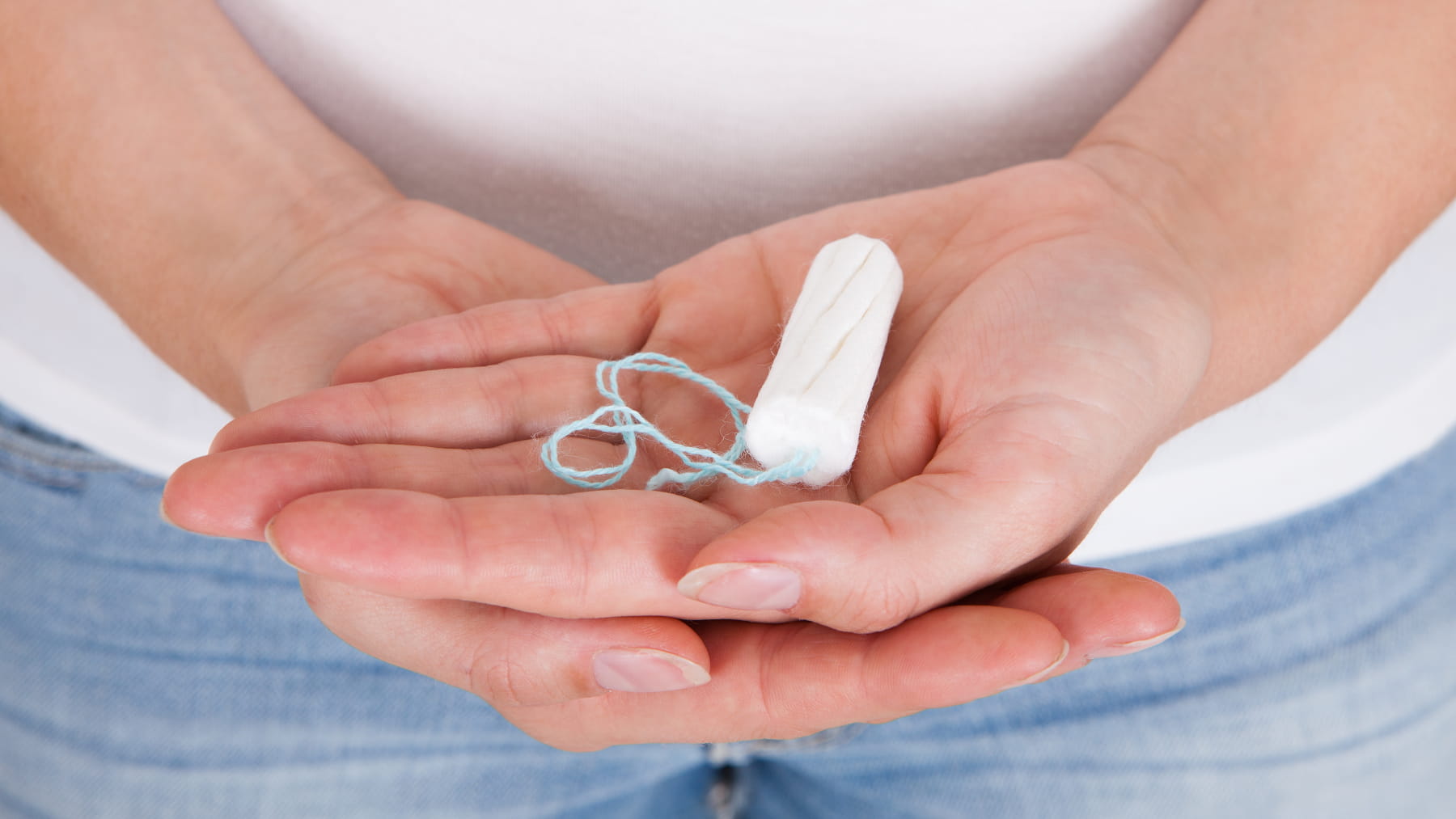
Most women are aware of the strict eight-hour tampon use rule to reduce the risk for toxic shock syndrome (TSS). We turned to an Ob/Gyn to talk safety beyond that basic guideline.
What's the risk for TSS – whether from tampons or something else? How concerned should I be?
And what’s the deal with trying to strengthen muscles around the vagina while using an inserted object? Is it safe?
Michael Cackovic, MD, a maternal fetal medicine specialist at The Ohio State University Wexner Medical Center, says although the risk of TSS is low, you should be concerned and he wants to make sure you’re informed about the serious condition before inserting any object.
He recommends working with your doctor if you’re interested in trying vaginal weights that help increase the benefits of Kegel strengthening exercises. Read on to learn more about that.
But first a quick guide to toxic shock syndrome:
TSS is caused by bacteria, which can be introduced by any object inserted in the vagina (i.e., tampon, menstrual cup, diaphragm, vaginal weights). Because of the interconnectedness of the female anatomy, bacteria that enter through the vagina can spread to the uterus, fallopian tubes, abdomen and a host of internal organs.
TSS is a life-threatening condition and should be taken seriously. Symptoms often mimic the flu (fever and abdominal pain), making it difficult to detect easily.
Some other possible symptoms:
• sudden high fever
• rash resembling a sunburn (not raised) anywhere on body, often soles of feet and hands
• nausea or vomiting
• confusion/dizziness
If you do think you might have TSS – especially if you have been using a tampon – head straight to the nearest emergency room.
Annually, about 1 in 100,000 women contract TSS from using tampons.
Do not to discount the concern though, says Dr. Cackovic.
When existing bacteria combine with blood and fluid during menstruation, suddenly there are a lot of bacteria collected in one place. This is why women are advised to change their tampons every 4-8 hours. “Women who develop TSS are more likely to have used tampons with high absorbency, used tampons continuously for more days of their cycle, and kept a single tampon in place for a longer period of time,” he says. Additionally, women who have had tampon-associated TSS should not resume using tampons because TSS can recur.
Important guidelines for tampon use:
Thousands of Buckeyes hit the streets of downtown Columbus to walk in support of the American Heart Association’s central Ohio Heart Walk.

Online hospital charge lists can give you clarity for your healthcare costs, but like our medical care – we want to personalize it to you.

Learn more about our new building serving patients in central Ohio in Dublin,
