
 Chances are you’ve heard about GLP-1 injections, which many people have used to lose weight. GLP-1 stands for glucagon-like peptide-1, which is a naturally occurring hormone made in the gastrointestinal tract and brain that regulates your blood sugar levels and makes you feel full after eating. Also known as semaglutides or tirzepatides, popular GLP-1 brand name medications include Ozempic®, Wegovy®, Mounjaro® and Zepbound®.
However, there are also other, non-GLP-1 medications that could be as or more effective for you. Many of these medications can be used on a short- or long-term basis in combination with lifestyle changes.
It’s important to work with a medical expert who understands the advantages and disadvantages of GLP-1s and non-GLP-1 appetite suppressants, to help you find the best option for your health and goals.
How do GLP-1 medications work?
Used to treat type 2 diabetes or, in some cases, to help a person lose weight, GLP-1 medications stimulate the release of insulin and reduce the release of glucagon. As a result:
- You feel satisfied with less food.
- Your blood sugar levels don’t spike as much after eating.
- Your liver releases less sugar into your blood stream.
- Your stomach empties more slowly, so you feel fuller more quickly and it takes more time before you feel hungry.
For many people, these changes in food cravings and digestion make it easier for them to reduce overall calories and feel satisfied with healthier food options.
How often will you need a shot of GLP-1 medication for weight loss?
Depending on side effects and how your body responds, the amount of GLP-1 you’re given will be slowly increased every four weeks or less until the ideal dose is reached.
Continued, long-term use of GLP-1 medication is needed to maintain your weight loss.
How much can you lose using a GLP-1 medication?
Depending on your starting weight, you can expect to lose 15-21% of your body weight in 68 weeks (a little less than a year and a half). However, continued, long-term use of medication is needed to maintain your weight loss.
What are the side effects of GLP-1 medications?

Everyone responds differently, but common side effects include:
- Decreased appetite
- Nausea
- Vomiting
- Indigestion
- Abdominal pain
- Constipation
- Diarrhea
To help prevent or reduce side effects:
- Eat smaller meals (about ¼ to ½ of your usual portion size) at regular intervals.
- Make sure you have a bowel movement at least every other day. Regular use of a stool softener or fiber can help with this.
- Do strength training three times a week to save muscle mass.
- Stay hydrated; drink at least 64 ounces of water every day.
Do I qualify for GLP-1 weight loss medication?
GLP-1 medications are not the right choice for everyone. They may be a good choice if you are obese, morbidly obese, diabetic, prediabetic or have chronic conditions that become riskier when you are overweight.
GLP-1 medications should not be taken if:
- You or a family member have a history of medullary thyroid cancer/MEN2 syndrome
- You have a history of pancreatitis
- You are pregnant or trying to become pregnant
How do non-GLP-1 appetite suppressants work?
These prescription medications make you feel fuller faster and reduce your urge to eat. Depending on the medication, this may be done by blocking or increasing specific hormones, or signals to your brain, that play a role in appetite.
Non-GLP-1 appetite suppressants can used short- or long-term, and many are available in a pill form, a feature many people appreciate because no injections are required (unlike with GLP-1s).
What are some better-known brand names in this category?
- Naltrexone-bupropion (Contrave®).
- Phentermine-topiramate (Qsymia®).
- Benzphetamine (Didrex®, Regimex®).
- Diethylpropion (Tenuate®, Tenuate Dospan®).
- Phendimetrazine (Prelu-2®).
- Phentermine (Dipex-P®, Atti-Plex P®, Pro-Fast® and others).
Who qualifies for non-GLP-1 appetite suppressants?
People who don’t qualify for GLP-1 often still qualify for other weight loss medications, either for short- or long-term use. They can also be a good option if you prefer a pill instead of an injection.
These non-GLP-1 appetite suppressants are an option for those with a body mass index (BMI) over 30, or a BMI over 27 along with a related condition, like diabetes, high blood pressure, high cholesterol, sleep apnea or joint pain.
Are there risks or side effects with non-GLP appetite suppressants?
Side effects are generally mild and tolerable, but can include:
- Nausea, vomiting, diarrhea, abdominal pain or other gastrointestinal issues
- Mood changes
- Increased heart rate or changes in blood pressure
- Insomnia or difficulty sleeping
- Dry mouth
In addition, some of these appetite suppressants can become addictive, so we will carefully manage your use and have a set prescription timeline. If you have a family or personal history of a substance use disorder, we’ll work with you to find an alternative treatment solution.
Can I lose as much weight with an appetite suppressant that isn’t a GLP-1?
The short answer is yes, especially because our treatment plan will include diet and exercise recommendations to help you achieve lasting results.

Weight loss management without judgment
At The Ohio State University Wexner Medical Center, our weight management program is designed to provide multifaceted support from physicians, dietitians, physical therapists, pharmacists and more — all without judgment. Allison Rhodes, MD, an obesity medicine specialist at Ohio State, describes how important this is and how she personally strives to provide a safe space for patients.
How should my diet change while taking weight loss medication?
Because you’ll be eating less, it’s important to prioritize food quality. Proteins and fibers should make up ¾ of your overall diet, and you’ll want to eat a variety of fruits and vegetables for good gut health.
We’ll give you educational materials, diet suggestions and plenty of support, to help you build a list of foods you like that are also good for you.
Will my insurance cover weight loss medications?
You’ll need to check with your insurance company, as plans differ.
- Most cover GLP-1 medication for type 2 diabetes, while coverage varies for weight loss and long-term weight management.
- Many insurance plans won’t pay until you meet your deductible.
- If you do have to pay for your weight loss or GLP-1 prescriptions out-of-pocket, be sure to check brand websites. Many, including Ozempic, Wegovy, Monjaro and Zepboud, offer discount programs to help reduce your monthly cost.
What is the right weight loss medication option for you?
During an in-office visit, an Ohio State specialist can review your medical history, complete a physical exam, review the risks and advantages of different types of weight loss medications and explain other treatments or support programs that are available at Ohio State that you might want to consider instead of or in addition to medication.
While there are many online sites promoting quick, easy access to weight loss medications, it’s important to discuss your options with a doctor, like the internal medicine specialists at Ohio State. Our team will consider your goals and your overall health before recommending a plan that includes ongoing support and regular follow-up appointments, so you lose weight safely.
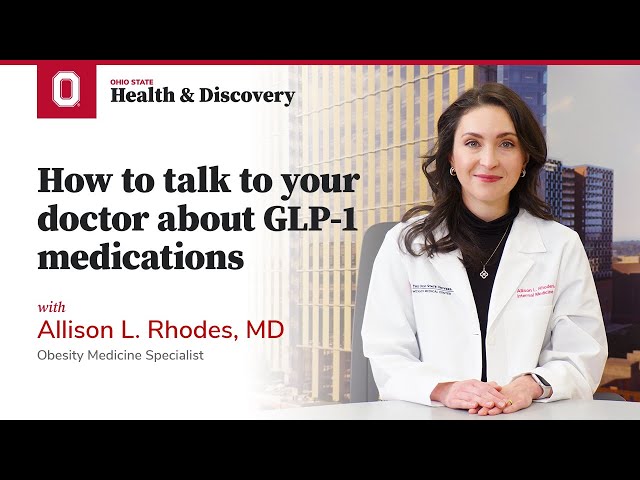
How to talk to your doctor about GLP-1 medications
Allison Rhodes, MD, an obesity medicine specialist at The Ohio State University Wexner Medical Center, describes how a shared decision-making conversation can go between doctors and patients when it comes to GLP-1 agonist receptor medications for weight loss.
Why choose Ohio State for weight loss medication?
The safest way to lose weight and keep it off is with a plan that’s based on science.
Ohio State’s Comprehensive Weight Management Program brings together a team of experts from different medical specialties to partner with you as you tackle the challenges of healthy weight loss, and our recommended treatments are always based on your own personal health and long-term goals. For more than 30 years, we’ve helped people reach weight loss targets that are better than the National Institutes of Health expected weight loss average.
When your plan includes weight loss medications, both your initial and maintenance doses are carefully monitored to deliver the results you want with fewer side effects, and we’ll always consider your overall physical and mental health before, during and after treatment begins.
If you have other medical conditions, our team will keep your other healthcare providers involved and aware of your weight loss progress, and we can easily refer you to other specialists as needed.