
Ulysses Magalang, MD
Physician, Professor
Sleep Medicine, Pulmonary Disease

Make an appointment
614-293-4925Conditions and expertise
- Pulmonary Medicine
- Intensive Care Units
- Intensive Care
- Sleep Disorders
- Sleep Medicine Specialty
- Asthma
Locations
- Sleep Medicine in Martha Morehouse Outpatient Care
- Lung Care in Martha Morehouse Outpatient Care
Academics and research
Department: Internal Medicine
About
- Gender
- Male
- Additional languages
- Filipino
Biography
I am the Director of the OSU Sleep Medicine Program, leading an interdisciplinary team of specialists focused on diagnosing and treating sleep disorders. As a board-certified physician, I have been caring for patients for over 20 years and am passionate about helping individuals improve their sleep and overall health.
In addition to my clinical responsibilities, I am committed to advancing the field of sleep medicine through education and research. I am Principal Investigator in multiple National Institutes of Health (NIH) and industry research grants and have over 95 peer-reviewed publications in highly regarded journals. I led the team that established the only fellowship training program in Sleep Medicine in Central Ohio, educating future experts in sleep disorders.
When I am not at work, I like to hike, golf and spend time with my family.
Highlights
- Castle Connolly Top Doctor: 2014–2025
- Program Director, Sleep Medicine Fellowship Training Program 2006-2015
- Associate Editor, SLEEP
- Editorial Board Member: CHEST, Annals ATS, SLEEP
- Principal Investigator, multiple NIH-funded grants
Conditions and expertise
- Asthma
- Intensive Care
- Intensive Care Units
- Pulmonary Medicine
- Sleep Disorders
- Sleep Medicine Specialty
Locations
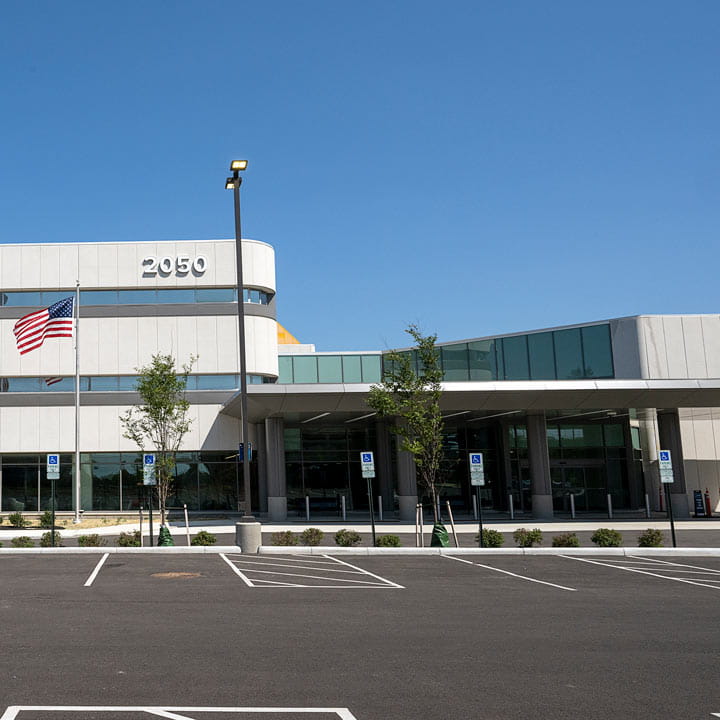
Please note: Not all physicians schedule patients at each listed location.
Credentials
Education
- Fellowship - Sleep Medicine
- Hospital of the University of Pennsylvania, Philadelphia, PA, United States
12/1/1994 - 6/30/1996 - Fellowship - Critical Care Medicine
- SUNY at Buffalo-Emergency Medicine GME, Buffalo, NY, United States
7/1/1990 - 6/30/1993 - Residency - Internal Medicine
- Mercy Hospital of Buffalo, Buffalo, NY, United States
7/1/1988 - 6/30/1990 - Internship - Internal Medicine
- Mercy Hospital of Buffalo, Buffalo, NY, United States
7/1/1987 - 6/30/1988 - Doctor of Medicine (MD)
- University of the Philippines College of Medicine, Manila, Philippines
7/1/1979 - 5/30/1983
Certifications
-
American Heart Association National Center
12/4/2024 -
American Board of Internal Medicine/Sleep Medicine
11/15/2007 -
American Board of Internal Medicine/Critical Care Medicine
11/9/1995 -
American Board of Internal Medicine/Pulmonary Disease
11/10/1994
Academics and research
Researchers in the Magalang laboratory are examining the effects of intermittent hypoxia (IH) — the main stimulus implicated in the health-related consequences of obstructive sleep apnea. I am interested in the effects of IH on adipose tissue biology, particularly its effects on adiponectin — an adipocytokine with anti-inflammatory, anti-diabetic and anti-atherogenic properties.
I use a variety of models, including cellular systems, animal models and clinical research involving human subjects. His team has shown for the first time that intermittent hypoxia reduces the secretion of both total and high-molecular-weight (the active form of the hormone) adiponectin by adipocytes.
In their in vivo mouse model, the data show that transgenic mice over-expressing adiponectin are protected from intermittent hypoxia-induced insulin resistance. The team's preliminary study in humans showed for the first time that treatment of obstructive sleep apnea with CPAP for three months increased the levels of high-molecular weight adiponectin. Dr. Magalang's group has published the first and only study that has used cardiac MRI to examine the effects of CPAP on cardiovascular remodeling.
In addition, through a collaborative effort with Dr. Philipp Scherer, who first described adiponectin, Dr. Magalang and his team have a published a seminal paper. It showed that hypoxia — through activation of hypoxia-inducible factor 1 (HIF1) — fails to induce the expected pro-angiogenic response in adipose tissue, but rather HIF1 initiates adipose tissue fibrosis with an associated increase in local inflammation. Collectively, these observations are consistent with a model in which adipose tissue hypoxia serves as an early upstream initiator for adipose tissue dysfunction by inducing a local state of fibrosis.
The team has extended these findings in a polygenic animal model of type 2 diabetes mellitus (Tally-Ho JngJ mouse). Their results indicate that IH mimicking the hypoxic stress seen in sleep apnea patients worsened glucose tolerance in the male Tally-Ho mice. This was associated with HIF1α stabilization, lysyl oxidase (LOX) activation, fibrosis and macrophage infiltration in the visceral adipose tissue of TH mice.
This was also associated with a decrease in circulating levels of the adipose-derived adiponectin, indicating adipose tissue dysfunction. In addition, IH also induced pancreatic dysfunction likely related to an increase in circulating long chain unsaturated (palmitic and stearic) fatty acids.
I have been involved in the Sleep Apnea Genetics International Consortium (SAGIC). The mission of SAGIC is to enable research in the genetics and genomics of sleep apnea at an international level. This unique collaboration comprises international experts in the field of sleep research dedicated to further unraveling the genetics of sleep apnea and its associated co-morbidities.
Collaborators of this consortium include sleep disorder and cardiovascular experts from the United States, Iceland, Germany, France, Taiwan, Australia and Brazil. In this consortium, I have completed a project examining the agreement of polysomnography scoring of respiratory events and sleep among international sleep centers. Their results suggest that centralized scoring of polysomnography may not be necessary in future research collaboration among the SAGIC centers.
Research interests
- Metabolic and Cardiovascular Effects of Sleep Disorders
- Effects of Hypoxia on Adipose Tissue Biology
Awards and Honors
- Listed in Best Doctors of America in Pulmonary and Sleep Medicine 2005-2021
- Listed in Castle Connolly Top Doctors In Pulmonary Medicine 2014-2021

Academic information
- Department:
- Internal Medicine
- Division:
- Pulmonary, Critical Care and Sleep
Leadership titles
- Director of the Sleep Disorders Program
- Director of the Sleep Medicine Fellowship Training Program
More about my research
News and media
My news coverage
Consulting and related relationships
At The Ohio State University Wexner Medical Center, we support a faculty member’s research and consulting in collaboration with medical device, research and/or drug companies because a faculty member’s expertise can guide important advancements in the practice of medicine and improve patient care. In order to provide effective management of these relationships, the University requires annual disclosures from all faculty members with external interests related to their University responsibilities.
As of 11/3/2025 Ulysses Magalang has reported relationships with the companies or entities listed below. If you have questions about the relationships listed below, please ask the faculty member. If you have questions about how these relationships are monitored by The Ohio State University Wexner Medical Center, please contact our Compliance Office.
- West Virginia University