
Ohio State’s concussion clinic helps you get back in the game safely
 Whether you're a student athlete, a weekend warrior or a professional competitor, experiencing a concussion during the course of a game or competition can be scary. At The Ohio State University Wexner Medical Center in Columbus, Ohio, our neurologists and sports medicine experts understand the importance of helping you recover and safely return to the sport you love.
Concussions often occur after a bump, a blow or a jolt to the head, and can temporarily disrupt normal brain function. Even mild head injuries can affect your memory, focus, balance, mood and performance.
If you suspect a concussion during practice or a game, stop playing and go to a doctor. This is the best way to initially treat a concussion, avoid a second head injury and eventually return to sports when we’ve made sure you’ve healed.
Concussion symptoms
Symptoms of a concussion don’t always begin immediately. They may start hours or days after an injury. The delay is often because adrenaline at the time of an injury masks concussion symptoms.
The first symptoms of a concussion can include headaches, vision changes, dizziness, moodiness or trouble concentrating. You may feel dazed or not like yourself for several days or weeks after the injury.
You may experience other symptoms, such as:
- Confusion
- Foggy feeling
- Vomiting or nausea
- Slurred speech
- Trouble walking or sleeping
- Decreased coordination
- Mood changes

Sports concussion symptoms and what to do next
Michael Tiso, MD, sports medicine physician, describes concussion symptoms that include headache, visual changes and difficulty concentrating or with memory.
What to do if you suspect a concussion in sports
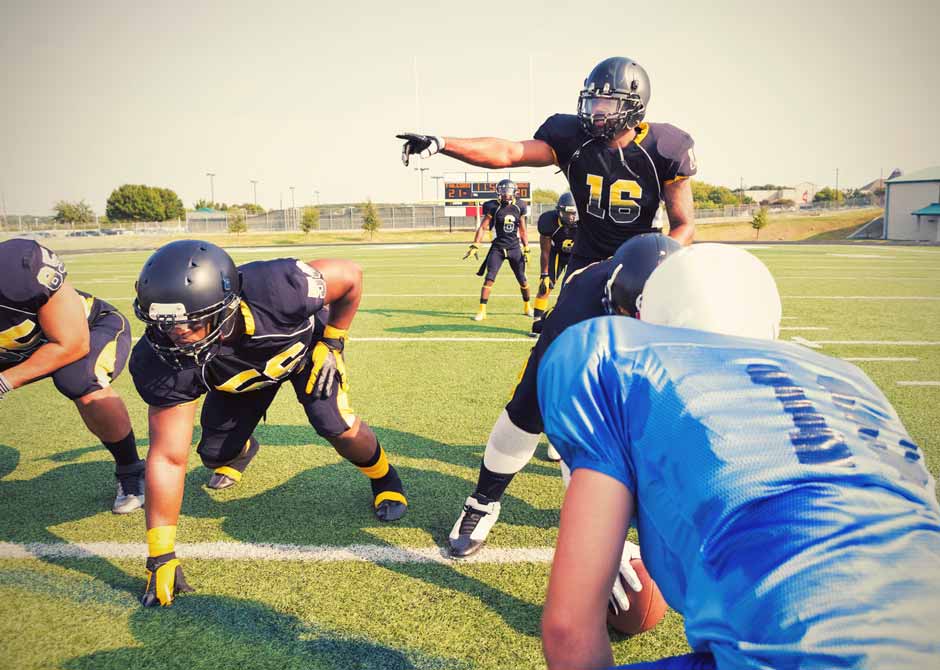 If you’re a coach, parent or athlete, here’s what you need to know if a player sustains a hard hit to the head during play.
- Remove the athlete from play and move them to the sidelines to check for early symptoms of a concussion.
- Continue checking the athlete every 10 to 15 minutes to ensure their condition isn’t worsening. If their symptoms progress, take them to the emergency department.
- Rest from both physical and cognitive activity for at least 24 hours.
- Follow up with a doctor within a few days to determine the best course of recovery and returning to play.
How is a concussion diagnosed?
Doctors determine the diagnosis of concussion based on both a clinical history and a physical exam. This includes questions regarding the head injury, and an examination of physical, neurological and cognitive functions. Imaging tests, such as computed tomography (CT) scans and magnetic resonance imaging (MRI) scans, are not routinely used to diagnose a concussion and are only obtained when there is the potential for more severe head injuries.
Concussion treatment
After the initial removal from a game or competition, let your brain rest for at least 24 hours, from both physical and cognitive activity.
Following this rest period, your physician can recommend a gradual increase in activity. Recent evidence now recommends early, controlled exercise as a treatment for concussions, which makes it important to see a physician a few days after experiencing a concussion.
Return to play progression
While most concussions resolve within two weeks, up to four weeks is still considered a normal recovery time. Approximately one in five athletes may take longer than four weeks to recover.
Returning to play too soon following a sports-related concussion can cause a subsequent concussion or head injury, which can have serious effects, including permanent neurologic deficits. It can also prolong concussion symptoms and affect your ability to play sports and even complete activities of daily living, such as schoolwork.
Medical clearance to play in Ohio
Athletes who sustain concussions need medical clearance before returning to sports. This includes a step-by-step return to full activity, monitored by a physician and an athletic trainer.
There are specific legal guidelines in Ohio regarding return to play. Coaches, referees or officials must remove from play any athlete showing signs of a concussion. Athletes can’t return the same day they are removed. They aren’t permitted to return to play until they’ve been assessed and received written clearance by a licensed healthcare provider approved by the school or organization.
Treadmill testing for concussions
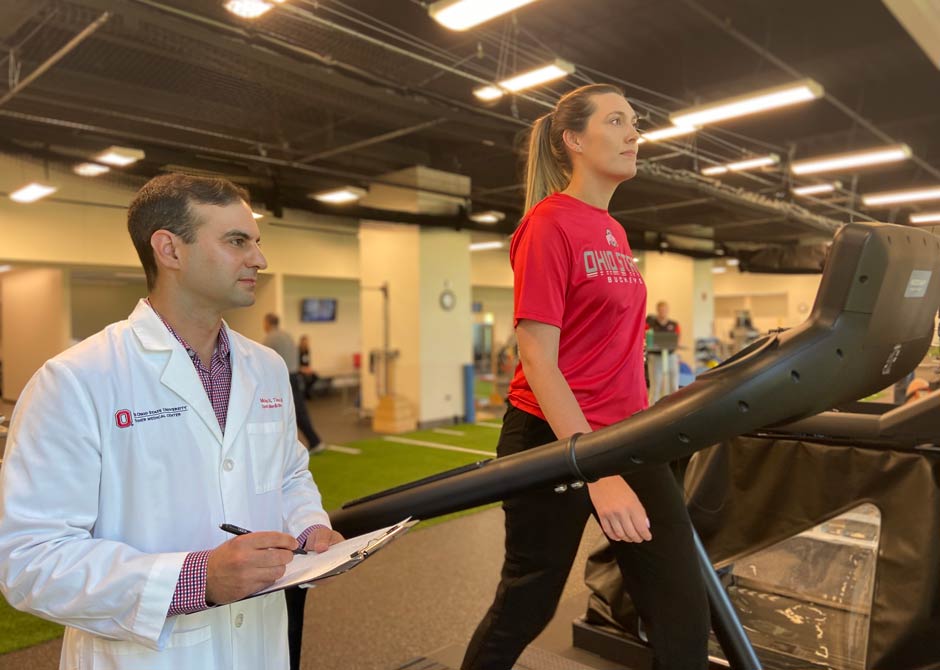
Recent research has shown that returning to light aerobic exercise early helps improve concussion symptoms. Our doctors use the Buffalo Concussion Treadmill Test to help diagnose and guide the return to play from concussions. In this test, your doctor will track your vital signs while you walk on a treadmill to determine what level of activity triggers concussion symptoms. You’ll receive a personalized exercise prescription that accelerates recovery, helping you return to play more quickly.
Reduce the risk of concussion
While the risk of concussion is dependent on your sport as well as your personal history, you can reduce your risk by:
- Playing by the rules of your sport and use good technique
- Knowing, and acting on, the signs and symptoms
- Wearing well-fitting protective equipment
Why choose Ohio State’s concussion clinic for treatment of a sports-related concussion?
When you sustain a suspected concussion while playing a sport, the Ohio State Wexner Medical Center is here. Highlights of our sports medicine and concussion expertise include:
Timely care: If you need to be evaluated for a concussion, we offer convenient and timely access to care within 24-48 hours of the injury at several locations in the Columbus area.
Unparalleled expertise: We are proud to be the official sidelines care providers for more than 5,000 central Ohio competitors and performers, including Ohio State’s athletes and varsity teams. Our team of sports concussion experts includes sports medicine physicians, athletic trainers, physical therapists, neuropsychologists and more who collaborate to get you back to playing safely following a concussion.
Advancing concussion in sports research: Doctors at the Ohio State Wexner Medical Center are actively researching sports concussions, from increasing understanding of concussion at a cellular level, to how it affects athletes’ abilities to learn and drive. You may qualify for one of these studies and can play a role in helping further our knowledge of concussion treatment.