
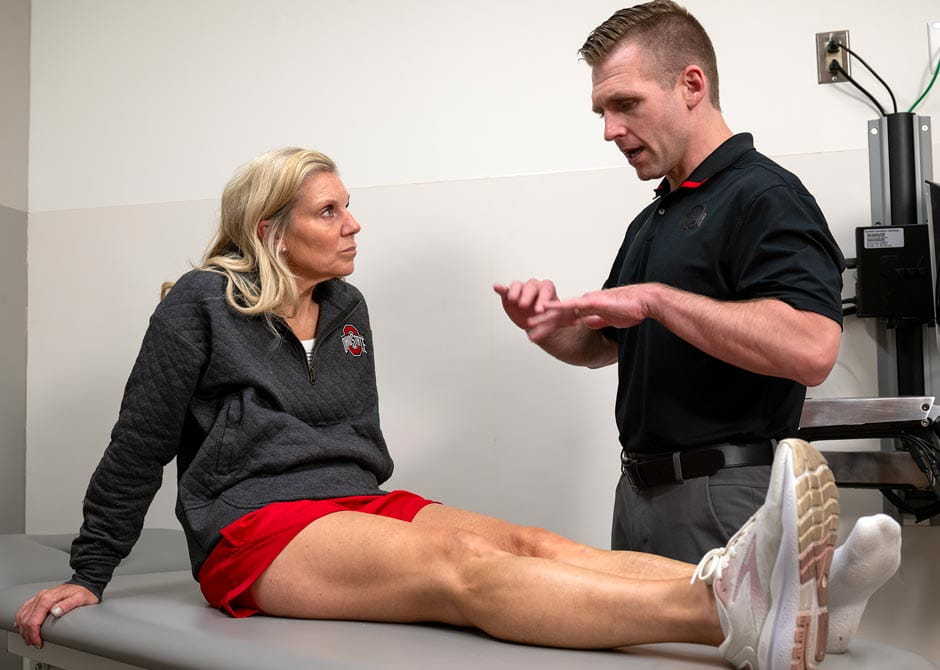
 If you’re noticing joint pain during exercise, work or everyday activities, you might assume it’s a normal part of aging. However, symptoms of early osteoarthritis (OA) can appear years before most adults expect, sometimes as early as in your 30s or 40s. Treating osteoarthritis early can be effective at slowing the condition’s progression and helping you continue to meet your fitness goals.
That’s why the sports medicine experts at The Ohio State University Wexner Medical Center in Columbus, Ohio, developed the Early Osteoarthritis and Joint Health Program – to give you a team-based approach to reducing your joint pain through personalized care and advanced treatments. Whether you play tennis, lift weights, golf, run marathons or simply want to keep up with your kids or grandkids, we’ll help you build a long-term plan to keep you active for a lifetime.
What is the Early Osteoarthritis and Joint Health Program?
The primary goal of the Early Osteoarthritis and Joint Health Program at Ohio State is to keep people with osteoarthritis active by diagnosing the condition early and providing noninvasive interventions long before surgery would need to be considered.
If you’re treated by the Early Osteoarthritis team, you’ll work with dedicated providers who span multiple disciplines. Their unified care includes:
- Your physician or advanced practice provider will confirm your diagnosis and create a treatment plan tailored to your needs and goals.
- Physical therapists will guide you through safe, effective exercises to strengthen and support your joints.
- A dietitian will help you develop a nutrition plan to reduce inflammation and support joint health.
- Other advanced treatment options, such as viscosupplementation and natural, alternative therapies, are available when necessary.
We’ll make sure to not only treat your pain and other symptoms but also help you plan to maintain your joint health moving forward. We know that looking at whole-body wellness is key to reducing joint pain and keeping your joints healthy.
What is early osteoarthritis?
Early osteoarthritis, which is caused by the gradual breakdown of the cartilage that cushions your joints, is the first stage of the most common form of arthritis. Your joints are made up of cartilage that can wear down over time, often due to injury, daily activities or genetics. When this cushioning tissue begins to break down, you can experience pain, stiffness and swelling, especially when you’re active. Early OA is most common in the knees and hips, but it can affect other joints, like elbows, shoulders and ankles.
What causes osteoarthritis?
OA develops when the joint experiences more stress than it can handle. That stress can come from several factors, including:
- Previous injury, such as ACL tears or meniscus injuries
- Repetitive strain from work or high-impact sports
- Genetics or family history of arthritis
- Excess body weight, which increases pressure on weight-bearing joints
- Joint malalignment or muscle imbalances
- Metabolic factors that increase inflammation
While osteoarthritis is often associated with age, even young, active adults can develop early OA, especially after an injury.
Early osteoarthritis symptoms
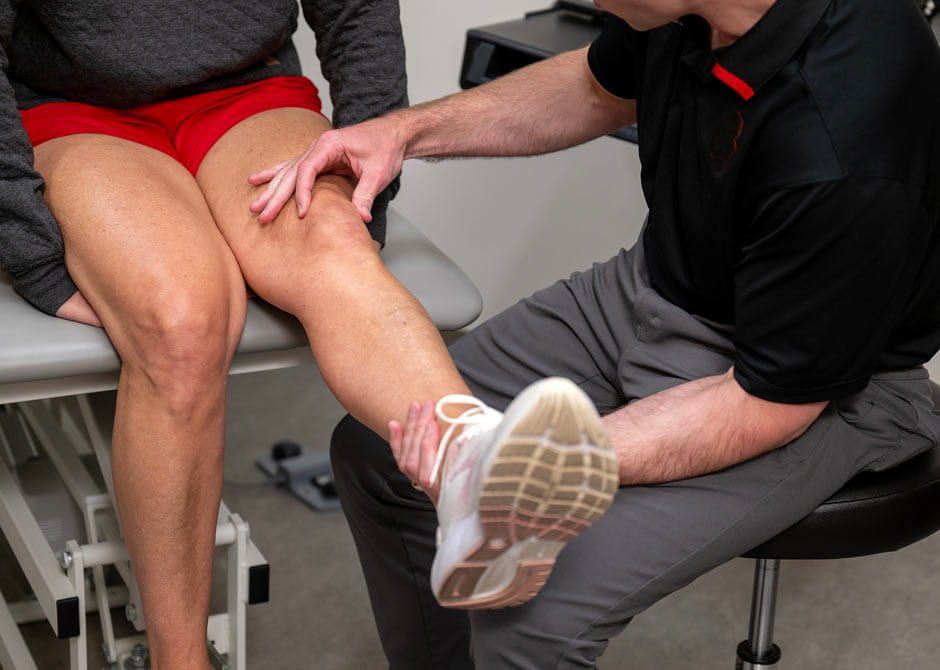 Early osteoarthritis symptoms tend to be mild and gradually worsen over time. Common early signs of OA include:
- Pain with activity that improves with rest
- Stiffness in the morning or after sitting
- Swelling around the joint
- Clicking or grinding sensations
- Decreased range of motion
- A feeling that the joint may “give way”
- Achiness after long periods of inactivity
- Fatigue or weakness in the surrounding muscles
Diagnosing osteoarthritis
Because early OA may not show up on X-rays, discussing your symptoms, activity level and medical history are important indicators for diagnosis. We also have expanded ways of diagnosing the condition, including advanced imaging and laboratory testing. Plus, our rehabilitation specialists have special training in evaluating your strengths, mobility and stability. Additional testing may include:
- MRI: Detects early cartilage changes, inflammation, bone marrow lesions and damage not seen on X-ray
- Functional movement or gait analysis: Identifies muscle weakness or misalignment contributing to joint stress
- Blood test: Helps us better understand your metabolic makeup and what might contribute to your joint pain
Benefits of being treated in the Early Osteoarthritis and Joint Health Program
Osteoarthritis worsens over time, but that doesn’t mean you simply have to accept living with discomfort. Addressing osteoarthritis early gives you the best chance to improve your comfort and stay active longer.
Many people can return to activities they love or pursue them longer after being treated at the Ohio State Wexner Medical Center. Benefits of this multidisciplinary care include:
- Pain reduction
- Improved mobility
- Delayed surgery and reduced need for joint replacement surgery
- Improved function and activity level
- Enhanced quality of life
Treatment options for early osteoarthritis
Early osteoarthritis doesn’t mean you need surgery or reducing activity levels. With lifestyle education and joint-preserving interventions provided by our osteoarthritis experts, you can stay active and protect your joints from damage down the road.
Injections
Injections can reduce pain and improve mobility. Examples of injections include:
- Corticosteroids for short-term relief
- Hyaluronic acid injections to improve joint lubrication, which is also called viscosupplementation
- Alternative, natural solutions, which can also be discussed with your provider
Shockwave therapy
Shockwave therapy is a noninvasive treatment that uses high-energy acoustic waves to stimulate healing.
Physical therapy
Physical therapy offers effective ways to manage early OA, especially for athletes. Specifically designed stretches, movements and exercises can help you:
- Build strength in the muscles that support the joint
- Improve mobility and flexibility
- Retrain your gait to reduce joint stress
Medication
Depending on symptoms, medications may include:
- Anti-inflammatory medication like ibuprofen for pain and inflammation
- Acetaminophen for mild pain
- Topical treatments applied directly to the joint area
- Prescribed pain-management medications, when appropriate
How to keep your joints healthy?
Our program goes further than traditional care. We provide personalized lifestyle strategies designed to support long-term joint health and help you understand how your overall wellness affects your joints. Your plan includes:
- Metabolic health assessments: Gain insights through body composition analysis and resting metabolic rate measurements
- Nutrition guidance: Personalized recommendations to support joint and overall health, as well as weight management to reduce joint load
- Sport and exercise recommendations: Safe, effective activities tailored to your lifestyle and goals

Why choose Ohio State for early osteoarthritis treatment?
With early diagnosis and treatment, you can continue living actively and pain-free longer. At Ohio State, we’re national leaders in osteoarthritis treatment and sports medicine research. Our commitment to advancing care means you benefit from the most effective and safest therapies available. As part of our program, you may have the opportunity to participate in leading-edge clinical trials and gain early access to the latest developments in osteoarthritis treatment.