
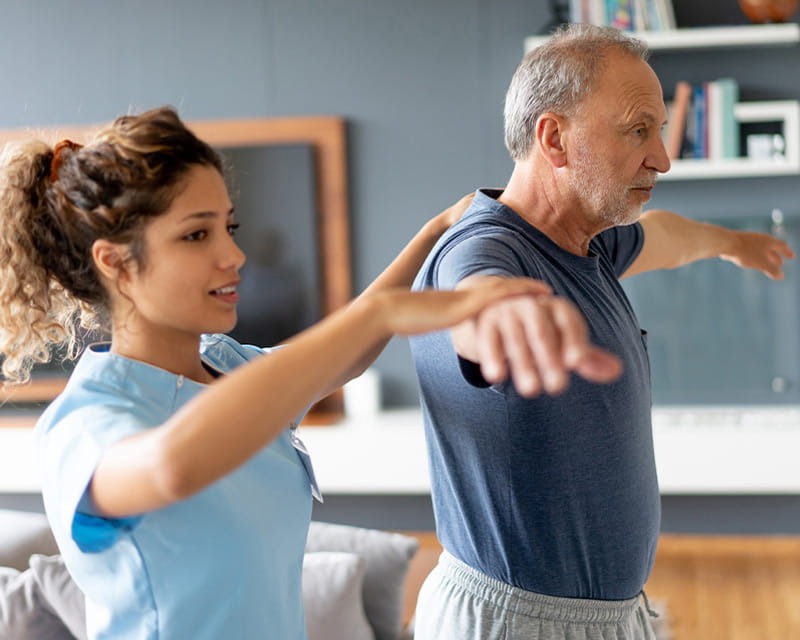
 Did you know that older adults (60 years of age or older) are the most likely to fall? Whether it’s out in public or around the house, older adults need to be much more careful when moving around. Even so, this group is not the only one at risk of falling. Younger people can also sustain falls due to certain conditions.
For those who experience disorders or other health issues that increase their chances of falling, daily life can be a struggle to find some sense of normalcy while worried about a fall-related injury.
That’s why physical medicine and rehabilitation experts at The Ohio State University Wexner Medical Center created the Fall Prevention Clinic to help people of all ages cope with these health conditions and discover strategies to decrease their risk of falling and fall-related injuries. Since its inception in 2019, the clinic, in Columbus, Ohio, has helped hundreds of people return to their normal routines. With our help, you can, too.
What is Ohio State’s Fall Prevention Clinic?
The purpose of the Fall Prevention Clinic is to educate people about falls and to rehabilitate people at risk. At the Fall Prevention Clinic, you’ll receive quality care from medical professionals who are committed to ensuring you get the individualized treatment you deserve, to reduce your risk of falls.
Consultation and exam
After you’re referred by your primary care provider (PCP) to the clinic, you’ll have a thorough consultation and exam with both a nurse practitioner and a physical therapist. During the consultation, the nurse practitioner will discuss your medical history and previous falls (if any), review your medications and more. Other parts of the exam will include:
- A physical exam to evaluate your overall strength and gait and assess balance or potential balance issues
- A vision screening to ensure your sight is not a factor that could contribute to a fall
- A mobility evaluation performed by a physical therapist to assess your ability to move
- A series of tests to determine range of motion, strength, balance and vestibular function, all of which can contribute to fall risk
- Preliminary recommendations, including for physical therapy, about how to reduce your risk of falls
Referrals and treatment options
Once the nurse practitioner and physical therapist determine what you may need, you’ll be referred to the appropriate specialists at the Ohio State Wexner Medical Center. We want it to be easy for you to get the help you need, when you need it most, to prevent falls and subsequent injuries.
The medical team will work together to determine the best treatment plan for you based on your individual needs. Recovery is not one-size-fits-all, so your treatment plan will be completely customized.
Why does fall prevention matter?
Fall prevention is an important part of maintaining your overall health and well-being. Injuries from falls reduce your ability to exercise, enjoy certain activities or even complete basic daily tasks – and they can be more serious, causing fracture, head trauma or even death.
Being able to take steps to prevent falls can lessen the chance of a fall having a major impact on your life, whether that’s physically, mentally or financially.
It’s commonly assumed that falling is a part of aging, and that isn’t true. Aging alone doesn’t make someone at risk for a fall; there are many factors that can come into play. If someone has impaired vision, a cluttered home environment, neurological disorders or other factors, the risk of falling increases significantly. It’s important for patients and their caregivers to be aware of the risks that certain conditions can pose to those at risk.
Fall risk factors
There are a number of factors that can cause a person to be a fall risk. Knowing about these will allow you to be there for those in your life who may be struggling, and to help them take the necessary steps toward seeking help. Here are some signs to look for when it comes to yourself or your loved ones:
Age and fall risk
Age is at the top of the list when it comes to assessing someone’s risk of falling. Older adults pose a high risk, with 20-30% of fall-related injuries and trauma experienced. It’s true that as our bodies age, certain things can become more difficult, like getting around, seeing or remembering things. It doesn’t help that as we age, our environment stays the same. So elderly people are forced to adapt as best as they can.
Falling risk in men vs. women
Women tend to fall more often than men, but men are more likely to die as a result of a fall-related injury. Even though women fall more, the injuries they sustain are typically minor ones.
Medical conditions that can cause falls
There are a number of medical conditions that could increase someone’s likelihood of falling. Some of the top medical conditions associated with falling include:
- Orthostatic hypotension: This condition causes your blood pressure to drop when you stand back up after sitting or lying down for a period of time. It’s dangerous because a sudden drop in blood pressure can cause someone to experience extreme dizziness or even pass out.
- Polypharmacy: This means taking five or more prescription medications at the same time to treat a condition or a variety of conditions. There are several risks that come with taking multiple medications at once, and this could influence a person’s balance.
- Eye problems: Do you have trouble with your vision? If your sight isn’t great, you might stumble more often. Vision issues can often be addressed by making sure that you have proper eyewear.
- Anxiety: If you have an anxiety disorder, especially if the anxiety is tied to a previous fall, you could be at a higher risk.
These are just a few examples, but there are many other people who could be at risk. If someone has a cluttered living space or consumes alcohol excessively, it could be dangerous for them too. Also, falling takes a physical toll and a mental one as well. If someone has fallen in the past, they might have post-traumatic stress disorder and navigate their day-to-day lives in fear.
How to reduce fall risk
There are various steps you can take to decrease your risk of falling, or the risks of someone you know.
- Tidying up – As people get older, it can be difficult for them to keep up with their environment. If you or your loved one has trouble with their balance, help keep their living space as clean and organized as possible. Make sure that walking spaces are free of clutter and easy to navigate. When there are multiple obstacles to maneuver through, it’s more likely that your loved one will trip and hurt themselves.
- Limiting alcohol – In excess, alcohol can be dangerous for someone who already struggles with falling. Be careful with how much you are consuming, and be mindful of the environment you’re in when or if you do have a drink.
- Limiting or eliminating medications – Some prescriptions have intense side effects. If your medicine could be the cause of your dizziness or falling, talk with your PCP. They might decrease your dosage or eliminate it altogether for a medication that doesn’t give you those issues.
- Taking necessary vitamins and minerals – If you aren’t following a healthy or balanced diet, you might feel weak and dizzy as a result. Those who are deficient in certain areas, such as iron or vitamin D, can benefit from taking supplements to make up for what they are lacking. Consult your doctor before taking anything new.
You can manage your fall risk level
Falling shouldn’t be viewed as normal for those who are older or who have certain medical conditions. If you or a loved one is struggling, seek out a medical professional right away.
Just because you or a loved one is at risk of falling, it doesn’t mean hope is lost. With proper education, and by taking the necessary precautions, you’ll be able to protect yourselves and minimize your chances of becoming injured.
Medical Director
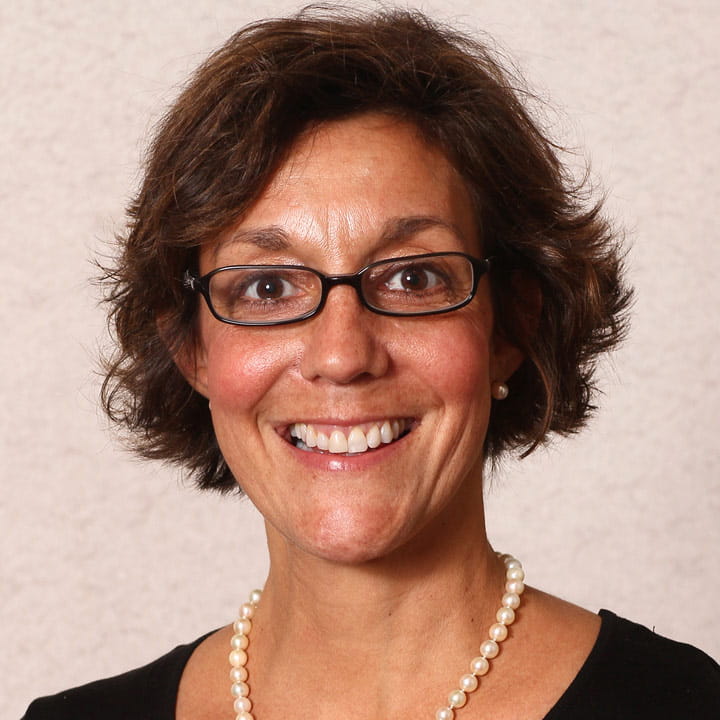
Susan Bowman Burpee, APRN-CNP
Medical Director, Fall Prevention Clinic