
Physical therapy can help you thrive after a serious injury, illness or surgical procedure. The physical therapists at The Ohio State University Wexner Medical Center in Columbus, Ohio, are dedicated to helping you regain the mobility, strength and flexibility that will make you feel confident again and allow you to return to the activities you love. We have a wide range of services and tools to help you achieve your goals at locations throughout central Ohio that make physical therapy convenient.
What is physical therapy and rehabilitation?
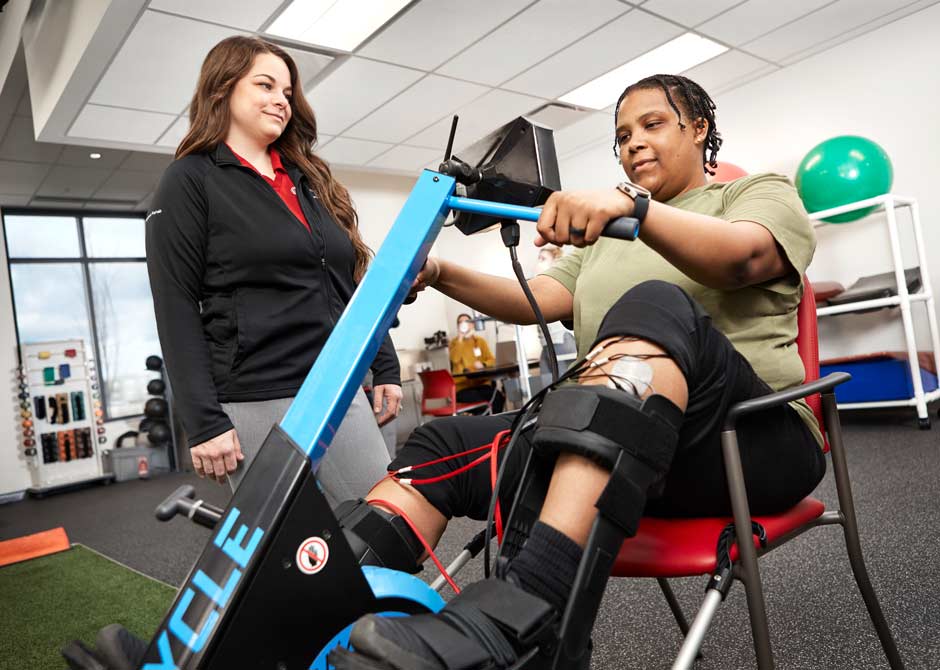
Physical therapy helps you recover from a wide range of medical issues, including illness, injury or a surgical procedure. Physical therapists design a program for your condition and your goals with the aims of relieving pain, improving movement and strengthening weakened muscles through the use of tailored exercises, movements, hands-on techniques and patient education. There are several primary components of physical therapy.
Exercise
- Active movement, when you perform movements yourself
- Passive movement, when your therapist guides movement, often to prepare for active movement
- Range-of-motion activities
- Resistance, balance, stability or aerobic training
- Task-oriented training focused on functional skills, such as walking and sitting to standing
Manual therapy
- Lymphatic drainage to reduce swelling
- Massage to loosen muscles and connective tissue
- Fascia-releasing techniques, such as dry needling or cupping
Heat and cold therapies
- Warm or cold cuffs, with or without compression
- Therapeutic ultrasound
- Cryotherapy, or ice therapy
Technology-assisted therapies
- Electrical stimulation for pain management, functional training, health and wellness
- Virtual reality systems, typically used to complement other therapies
- Smart devices and tele-rehabilitation
- Robot-assisted therapies for arms and legs
Your doctor may recommend combining physical therapy with occupational therapy, speech therapy, music therapy or recreational therapy. These can be combined with specialized rehabilitation programs that can teach you to drive, swallow, navigate life with a new prosthetic or cope emotionally with chronic pain. All these services are available in our inpatient and outpatient locations throughout the Columbus area.
An important part of physical therapy, sometimes called physiotherapy, is continuing exercises and movements at home, even after you stop seeing your physical therapist in person, so that you are empowered to continue improving your health and well-being.
Benefits of physical therapy and rehabilitation
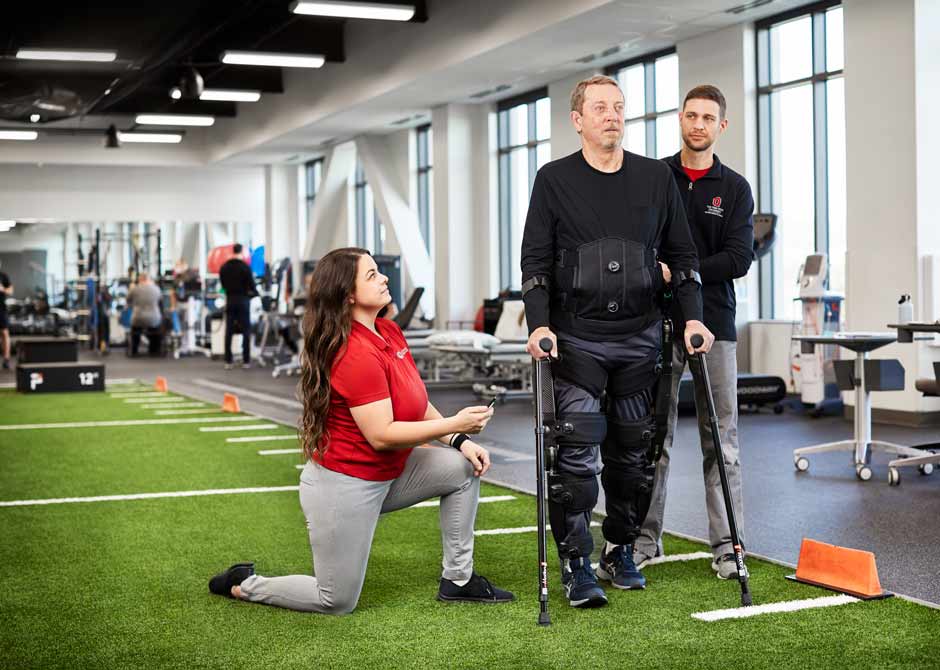 Studies repeatedly demonstrate the whole-person benefits of physical therapy, including reduced risk for a diverse range of health problems including cardiovascular disease, stroke and type 2 diabetes. Though physical therapy is designed to heal your body, it also benefits your mind. Becoming stronger, more self-sufficient and confident in your movement leads to feelings of self-empowerment, self-determination and hope.
Also, even a small amount of physical activity reduces the risk of depression.
Physical therapy can:
- Improve your body’s function and mobility
- Teach you to work with and adjust for physical disabilities
- Foster self-reliance and improve quality of life
- Help with mental health issues that often arise when our bodies change following illness or surgery
- Enhance coordination, balance and strength
- Relieve pain
- Strengthen muscles
- Improve metabolism
- Prevent future injury, chronic problems or reinjury
What to expect from physical therapy and rehabilitation
Your doctor will order physical therapy as part of your rehabilitation program. They’ll decide how long you should see a physical therapist and how frequently your appointments should be scheduled. You may receive physical therapy through the Ohio State Wexner Medical Center in any of the following settings:
- Acute: While admitted to University Hospital, Ross Heart Hospital, Brain and Spine Hospital or the OSUCCC – James
- Inpatient: Dodd Rehabilitation Hospital and Harding Hospital
- Outpatient: Any of our convenient locations around Columbus
- Sports Medicine: For injured athletes who want to return to competition or a specific activity
The setting for your physical therapy depends on what you are being treated for, how much therapy you need and how frequently you need services. Generally, you will see your therapist more frequently early in your program.
You may recognize some of the equipment used in physical therapy, such as stationary bicycles, elliptical machines, treadmills, and smaller items like stability balls, resistance bands and free weights. You’ll use some of this equipment to reach your goals.
Your therapy appointment will begin with an evaluation. This assessment begins with the therapist asking you what you want to accomplish by coming to therapy. To understand how to help you reach your personal goals, your assessment might begin with passive or assisted movement on a massage table or mat. You’ll be fully clothed, but depending on your injury, you may be asked to roll up a sleeve or a pant leg, so wear comfortable or loose-fitting clothing. You may move into active exercise, or your therapist may apply heat or cold therapy, therapeutic ultrasound or other techniques.
At the end of your session, you’ll have a chance to ask your therapist any questions, and you’ll receive a follow-up message reviewing everything you did, with instructions on how to continue exercises between appointments. It’s important to continue therapy between appointments as recommended by your therapist.
You may break a sweat during physical therapy. Keep a bottle of water handy. Your therapist might want to massage or manipulate an injured area, so make sure it’s accessible. It’s normal to be a little sore or tired after an especially challenging session. Your therapist will help you know what to expect.
Over time, you should move closer toward your strength, mobility and other goals. Your exercises will change along with your abilities. Together with your doctor and your therapist, you’ll decide when it’s time to stop regular physical therapy and continue to rehabilitate independently.

When to see an athletic trainer or a physical therapist
Athletic trainers and physical therapists both work with people who have experienced physical injuries. But when would you see one over the other?
Why Choose Ohio State for physical therapy and rehabilitation?
The people on your care team — physical therapists, occupational therapists, speech-language pathologists, social workers, case managers, rehabilitation psychologists and others—are dedicated to creating a therapy program that suits your life and goals.
Our physical medicine and rehabilitation program is recognized as among the best in the nation because we’re:
- Ranked as one of the "Best Hospitals for Rehabilitation" by U.S. News & World Report
- Accredited by the Commission on Accreditation of Rehabilitation Facilities (CARF), which means Ohio State’s rehab program meets the nation’s highest standards of quality, safety and outcome measures.
- The first and only program in the state of Ohio to obtain CARF accreditation in the Outpatient Stroke Specialty Program
- One of 16 centers in the country with a model program for treatment and research of rehabilitation following brain injury, the Ohio Regional Traumatic Brain Injury Model System
Looking for sports medicine physical therapy?
Trust the experts in Ohio State Sports Medicine to treat your activity- and sports-related injuries with the goal of returning you to the road, the field or the course — wherever it is that you find your fitness joy. In sports medicine physical therapy, we also work with people whose injuries are unrelated to sports but whose primary goal is to return to athletic activities. Your therapist may even specialize in your activity, including running, basketball, baseball, performing arts or tactical work (firefighters, police officers).