
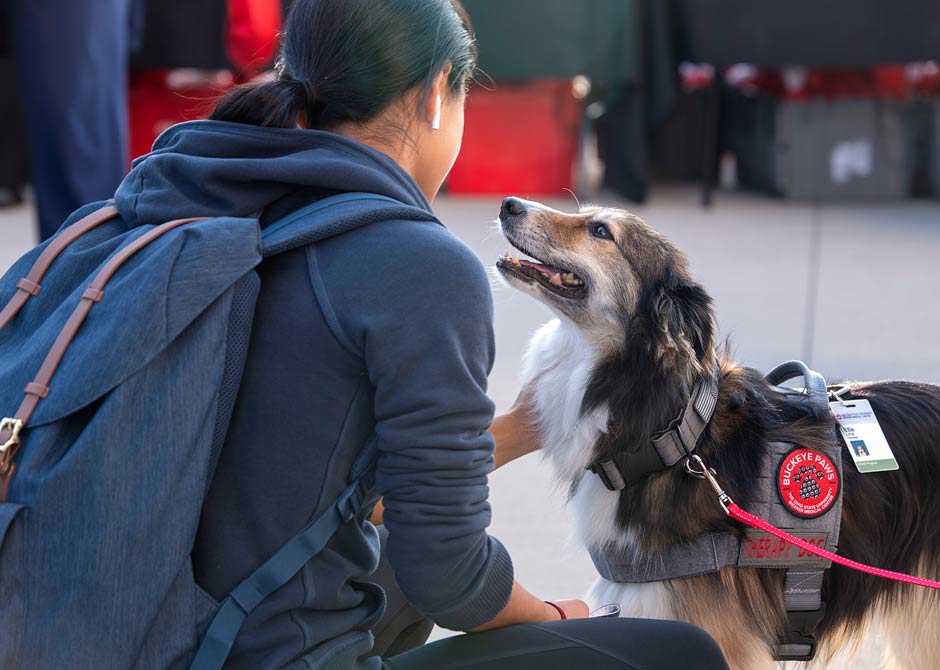
 Returning to complete health after illness or injury means nurturing well-being, gaining independence and feeling a sense of belonging in your community. Recreational therapists in physical medicine and rehabilitation at The Ohio State University Wexner Medical Center in Columbus, Ohio, can help you achieve these goals through targeted interventions that strengthen you from a whole-person approach.
What is recreational therapy?
Recreational therapy can look and feel like play, since it involves activities such as community reintegration (preparing you to return to your typical life), adapted sports or interacting with animals. Behind the fun are recreational therapists, who are expertly trained in how to apply activities to physical, neurological, developmental and psychological rehabilitation and health. The field of recreational therapy is, like its counterparts physical therapy, occupational therapy and speech therapy, an approach to rehabilitation that uses recreation and leisure activities selected for you depending on your interests, abilities and goals.
Recreational therapy helps you develop well-being, joy, engagement, self-confidence, belonging and connection, all of which can complement the healing and strengthening of your body following injury or illness. Recreational therapy boosts your physical, cognitive, social and emotional health. If your doctor prescribes recreational therapy, you will probably also have physical, occupational or speech therapy — or a combination of them.
Recreational therapists are certified through the National Council for Therapeutic Recreation Certification. They have bachelor’s degrees in leisure studies, recreational therapy or a related field. Recreational therapy is available to people being treated at Dodd Rehabilitation Hospital, which is the Ohio State Wexner Medical Center’s inpatient rehabilitation hospital.
Who can benefit from recreational therapy?
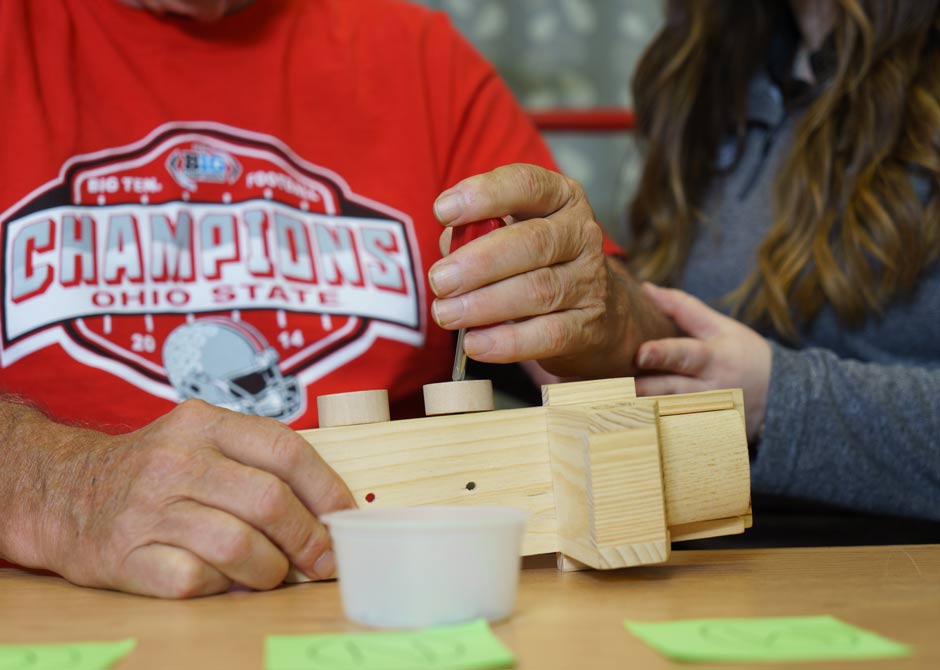 A recreational therapy program can be designed to fit almost anyone. Recreational therapy is typically prescribed to people who are ill or have physical disabilities. People with these conditions can benefit from recreational therapy:
- Physical disabilities
- Psychiatric disorders
- Spinal cord injuries
- Traumatic brain injuries
Additionally, recreational therapy can be helpful to anyone who wants to continue to lead a healthy and socially active life.
What to expect from recreational therapy
Before you begin any recreational therapy program, your therapist will collaborate with your rehabilitation team, and you, about your therapy goals and life roles. Your recreational therapist will design interventions that help you achieve your goals of well-being, belonging and independence and that complement what you’re doing in your rehabilitation program.
Recreational therapy can take many forms. Broadly, they can be individual or group sessions. Some examples of individual recreational therapeutic activities are:
- Expressive arts
- Pet therapy
- Community reintegration
- Adapted gardening
- Yoga or guided meditation
- Stress management
- Aquatic therapy
Examples of group recreational therapeutic activities are:
- Social skills training
- Relationship management and building
- Peer support
- Adapted sports
- Leisure resources education
- Community resources education
Why come to Ohio State for recreational therapy?
Your recreational therapist works alongside other people on your team at Dodd to prepare you physically, emotionally and socially to return to your typical life after illness or injury. Dodd has been a leader in the field of physical medicine and rehabilitation since opening in 1961. Our rehabilitation program is recognized as among the best in the nation because we’re ranked as one of the “Best Hospitals for Rehabilitation” by U.S. News & World Report.