
When illness, injury or age negatively impact how we work and live, occupational therapy can help us regain independence and well-being. At The Ohio State University Wexner Medical Center in Columbus, Ohio, occupational therapists are passionate about tailoring a rehabilitation plan that will return you to work and leisure, prevent reinjury and help you gain a sense of accomplishment and confidence, no matter what health challenges you face.
What is occupational therapy?
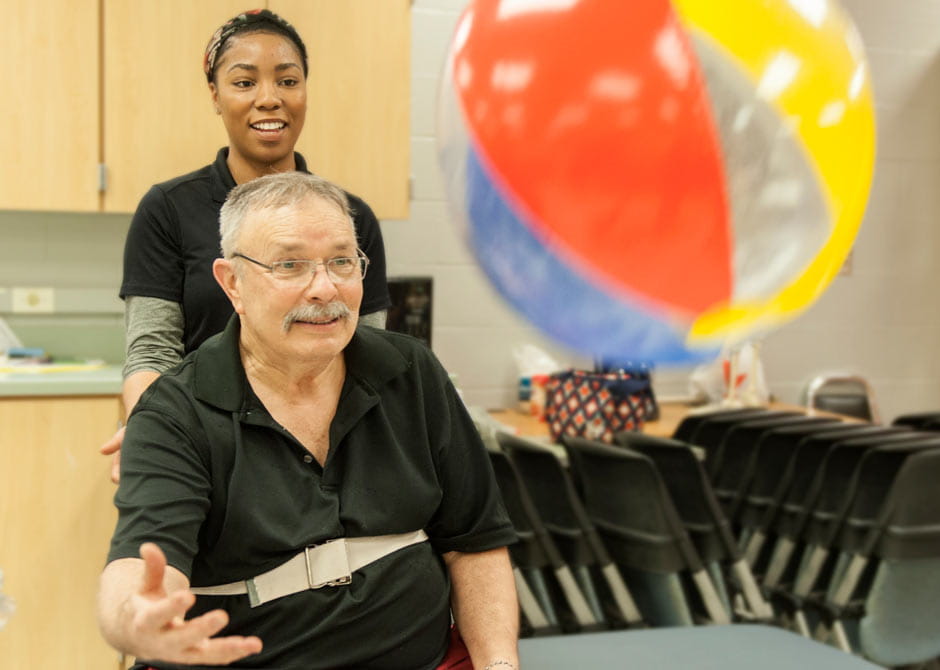
Occupational therapy is an umbrella term for a variety of therapeutic techniques that can be used together to help a person regain the ability to function and participate in work, school and life following an injury, medical procedure or serious illness. Where physical therapy focuses on relieving pain, strengthening muscles and improving movement, occupational therapy applies movement to everyday activity. Occupational therapists view improving mobility, dexterity and other abilities through the lens of well-being and quality of life.
Your occupational therapy program will be designed to bridge the gap between your current abilities and the things you need to do for work, study or leisure. Therapies are customized for health conditions such as stroke, traumatic brain injury (TBI), joint injury or replacement, amputation and prosthetic placement and rheumatoid arthritis, among many others. Your program might include:
- Movement and perception exercises
- Concentration and memory exercises
- Manual and creative exercises
- Developing and structuring daily routines
- Adapting your home or workplace
- Using medical devices, assistive technology or other aids
- Providing guidance to caretakers
- Learning to drive again or working with vehicle adaptations
A comprehensive rehabilitation program can be tailored for you to include occupational therapy, physical therapy, speech therapy, music therapy or recreational therapy. All these services are available at Dodd Rehabilitation Hospital, which is our inpatient facility, and at outpatient locations throughout the Columbus area.
Who is a candidate for occupational therapy?
People of any age and physical, psychological and developmental ability are good candidates for occupational therapy. Occupational therapists design highly adaptable programs, with the aim of increasing quality of life and well-being for an individual. Occupational therapy can be beneficial for people who:
- Need support living more independently
- Are coping with a new physical, neurological, developmental or functional limitation
- Are experiencing a health condition, such as cancer, that is disrupting their daily routines and activities
- Want to reduce risk of reinjury or hospital readmission
What are the benefits of occupational therapy?
Beyond helping you reorient to the tasks you want and need to complete after injury or illness, occupational therapy can give you a sense of accomplishment, independence, autonomy and well-being. These capabilities and feelings can have long-term effects on your mental and physical health and ripple out into many aspects of your life. Through occupational therapy, you can adapt to major changes in your body, prevent functional loss and avoid further surgical procedures or hospitalization.
Occupational therapy is also helpful to caretakers, who can receive useful advice and guidance from therapists on how to help loved ones adapt to new physical, developmental or psychological circumstances.
What conditions are treated with occupational therapy?
Doctors may order occupational therapy for people with these conditions, among others:
- Neurological conditions affecting the brain, such as stroke, Parkinson’s disease, dementia, TBI or multiple sclerosis
- Mental illness, including depression, anxiety and schizophrenia
- Chronic muscle and joint problems, such as rheumatoid arthritis or osteoporosis
- Broken bones
- Paralysis, spinal cord injury
- Amputations, prostheses and joint replacements
- Cancer
- Developmental disorders with motor disorders, including autism
- Age-related changes in function
What to expect during occupational therapy
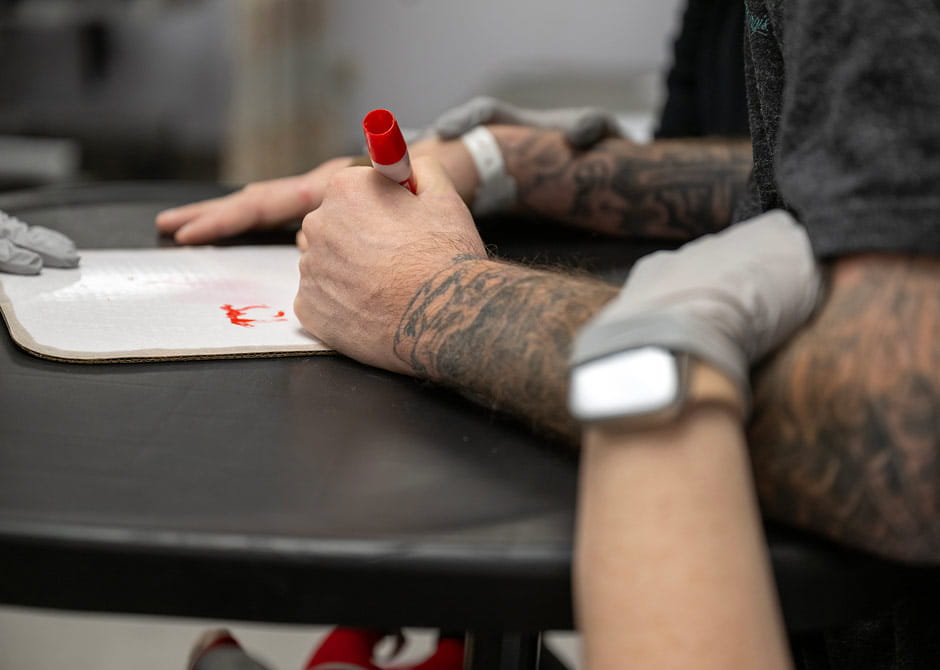
Your therapy program will begin with an initial assessment with your therapist to capture a baseline of ability and set goals for your care. Your therapy activities will be based on your health circumstances and how you and your rehabilitation team approach your recovery. Occupational therapy is highly customized and adapted to the individual’s needs. Your activities might fall into these categories:
Job-focused
Training for the skills you need to perform your chosen job, possibly with aids or adaptive equipment
Everyday skills
Learning to get dressed, cook, do household chores or drive
Strategic skills
Building individualized strategies to help you reach personal goals, or creating new daily routines
Environmental modifications
Accommodating your home to your physical, neurological and developmental abilities
Adapting with medical aids
Learning to use prosthetics, a walker, a wheelchair or other adaptive equipment
Cognitive and creative exercises
Helping build memory, concentration, planning and other executive functions
At the Ohio State Wexner Medical Center, you may receive occupational therapy in any of these settings:
- Acute: While hospitalized at Ohio State Ross Heart Hospital, Ohio State University Hospital – Pavilion, Harding Hospital, University Hospital or the OSUCCC – James
- Inpatient: At Dodd and at Harding Hospital
- Outpatient: At any of our rehabilitation offices located in and around central Ohio
Why come to Ohio State for occupational therapy?
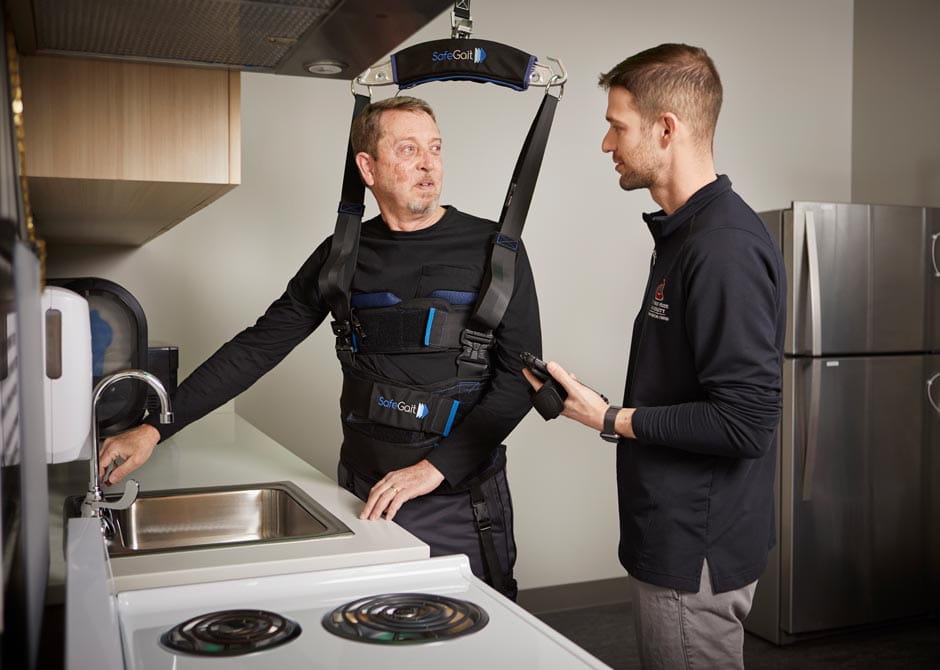 Your occupational therapist and the other people on your rehabilitation team — physical therapists, speech-language pathologists, social workers, case managers, rehabilitation psychologists and others — are dedicated to creating a therapy program that suits your life and goals and meets your health challenges. And they’ll make sure your program evolves along with you.
Our occupational therapists are passionate about pursuing continuing education and staying current in their field.
The occupational therapy team at the Ohio State Wexner Medical Center is highly trained, with the majority of therapists holding specialty certifications, some of which include:
- Board Certification in Physical Medicine (BCPR)
- Board Certification in Mental Health (BCMH)
- Certified Hand Therapist (CHT)
- Assistive Technology Specialist (ATP)
- Seating and Mobility Specialist (APT/SMS)
- Certified Driver Rehabilitation Specialist (CDRS)
- Certified Brain Injury Specialist
- Certified Low Vision Therapist
Ohio State is consistently ranked as one of the “Best Hospitals for Rehabilitation” by U.S. News & World Report, bringing elite care to you — no matter your therapy needs.