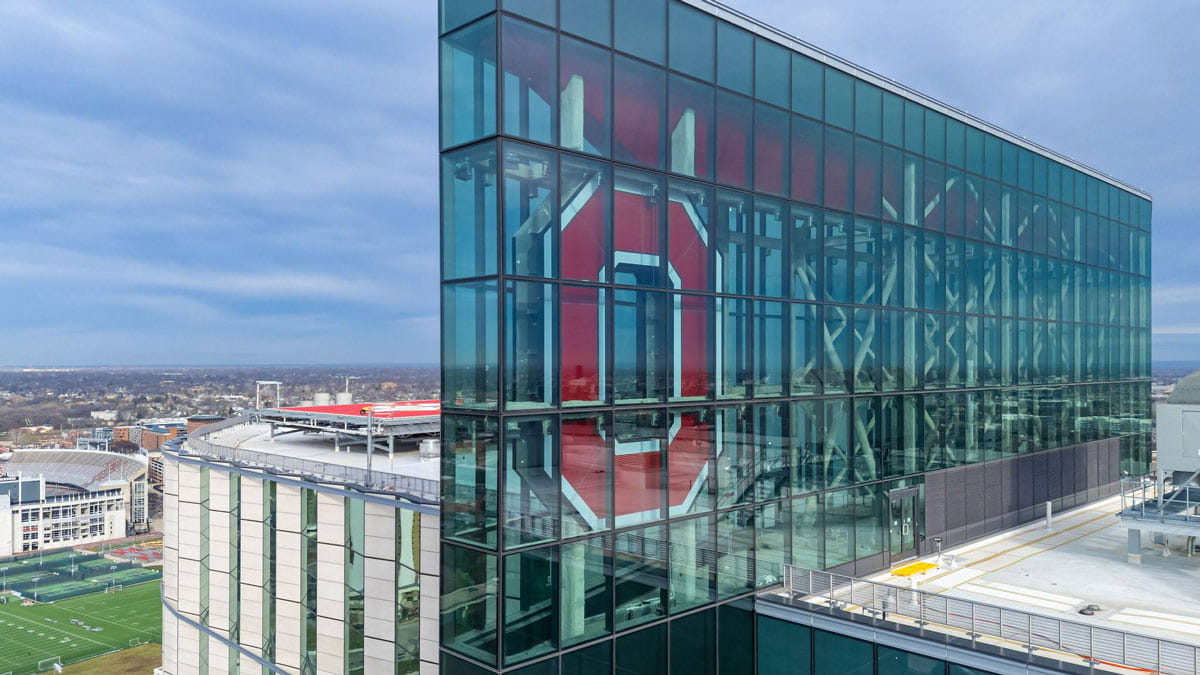
100 days after opening, we look back at University Hospital taking shape
See Ohio State University Hospital’s progress from early stages to its 2026 opening.

How neurosurgery and neurorehabilitation at Ohio State helped active grandfather overcome severe back pain
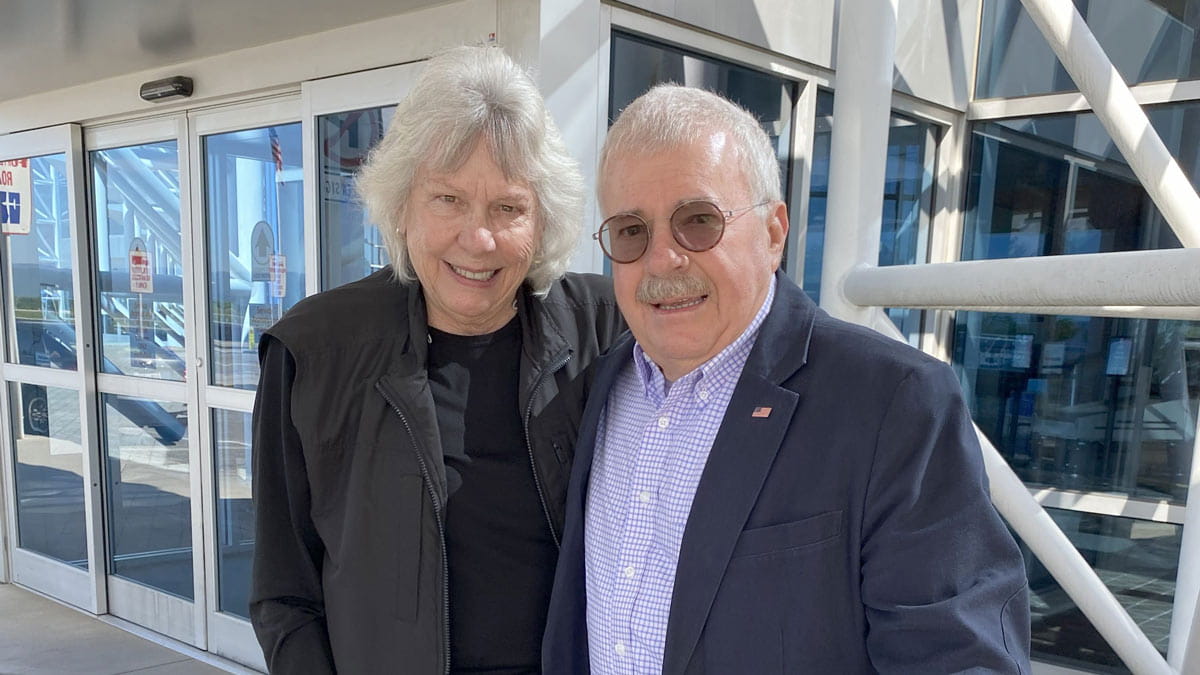
Despite decades of leading an active lifestyle, Jimmy Moore had reached the point where his back might give out, simply if he walked too quickly. He knew this could happen, but one day he was late to catch a plane to his grandson’s college orientation, and nothing was going to stop him.
Moore’s daughter, Amy Moore, MD, FACS, chair of The Ohio State University Wexner Medical Center’s Department of Plastic and Reconstructive Surgery, was out of town, and had tasked her father, who they call PawPaw, with taking her son to the orientation.
That day, Jimmy Moore hustled to the airplane gate, ignoring the intense pain in his back. He caught the flight and made it through the two-day college visit despite his throbbing pain. That incident put him over the edge, though.
“If it didn’t happen then, it was going to happen eventually. The pain settled in and only got worse until I could hardly walk,” Moore says.
Moore had a history of degenerative disc disease, resulting in three lumbar disc herniations. This condition causes the soft, cushion-like discs between the vertebrae, the bones of the spine, to wear out over time. Moore had two prior back surgeries and even had titanium plates in his neck and back for worn-down discs.
The three herniated discs that he’d been tolerating before the college trip became insufferable afterward.
“I was a runner when I was younger and then an active walker, and I couldn’t do it anymore,” Moore says. “I was in pain, and that’s just not me.”
He got a magnetic resonance imaging (MRI) scan in his hometown of Roanoke, Virginia, that showed herniated discs were pressing against his spinal cord. Moore was in pain all the time, but he stubbornly waited five more months before having surgery in February 2025.
To become pain-free, Moore would need major back surgery that included two discectomies and a laminectomy to relieve pressure on his spinal nerves. In a discectomy, the surgeon removes part of two herniated discs. A laminectomy is where the surgeon removes a small section of bone from the back of the spine (the lamina) to create more space and relieve pressure on the spinal cord and nerves. It’s an intense procedure that carries a small risk of paralysis and requires a long recovery period.
But Moore’s severe back pain meant the choice to move forward with surgery was easy.
What was also obvious was that Moore would drive over five hours from his Virginia home to have the surgery at the Ohio State Wexner Medical Center. Moore not only wanted to be cared for by a top-ranked neurosurgery program, but he also wanted to recover in a place he knew would provide the best possible postoperative rehabilitation. With some research, he found David Xu, MD, and knew he was the right neurosurgeon to perform the complicated surgery.
Also, Ohio State’s Dodd Rehabilitation Hospital is internationally recognized as a leader in physical medicine and rehabilitation and is consistently ranked as one of the "Best Hospitals" for rehabilitation by U.S. News & World Report.
After having a career in hospital management, Moore knew how much a culture of excellence matters to the patient experience, and he expected to find that at Ohio State.
“Ohio State has set up a culture where staff feel valued, and it shows.” Moore says. “Making a hospital a place people want to go to work and where patients want to be treated starts from the top down.”
Moore knew his postoperative recovery would be difficult, but he shudders at the memory of that first day following surgery. Just moving from one side of the bed to the other caused five minutes of excruciating pain.
“I can’t express my gratitude enough for these people who meet you exactly where you are –– and where I was, was helpless,” he says.
Moore wasn’t allowed to linger in bed for long. Soon after surgery, the nursing staff helped him up a few times a day as part of his early and acute rehabilitation. Moore says he’ll never forget how the head nurse, Anna, on the fourth floor would motivate him by insisting he get out of bed.
To win him over, she’d make sure he had hot coffee each morning.
Despite his pain, Moore didn’t fail to notice his excellent caregivers. He wrote thank-you notes to as many of them as he could recall once he left.
“I never met nursing staff that was so amazing,” he says.
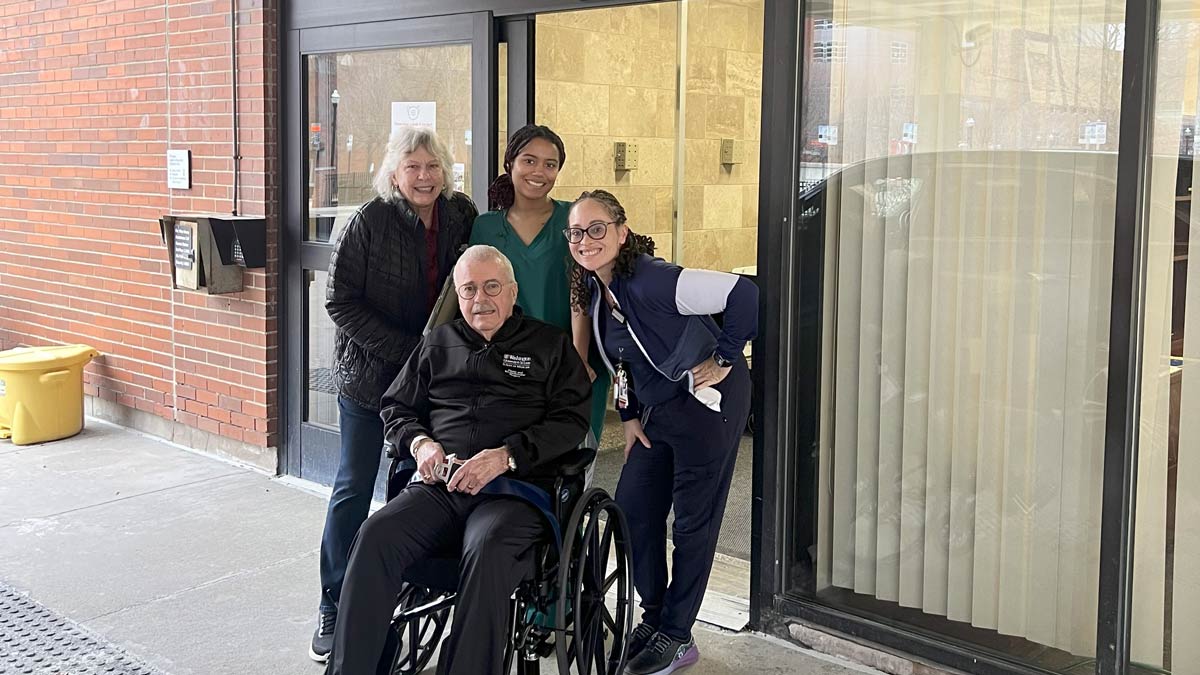 Image above: From the hospital staff to the Dodd rehab team, Jimmy Moore says he’ll never forget how well everyone took care of his every need.
After his hospital discharge, Moore began intense rehabilitation at Dodd for five days. There, he was impressed that the medical director, Timothy Hake, MD, spent time with him every evening to evaluate his pain, fine-tune his medication and oversee his rehabilitation.
“He didn’t hesitate to thoroughly look at every aspect of what was happening to me because of my pain,” Moore says.
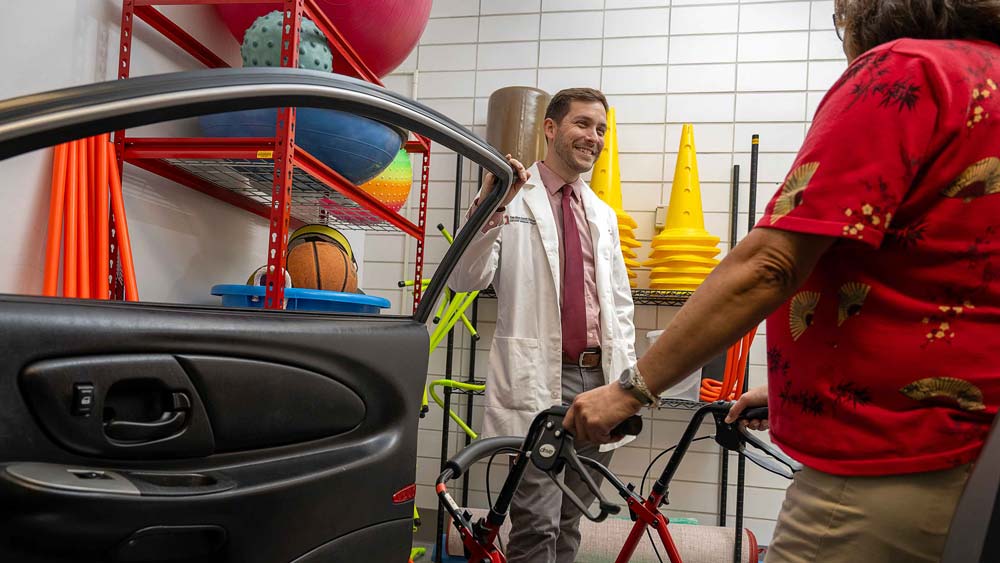
Related read: Rehabilitation doctor brings hope, healing to patients after stroke and trauma
Moore pushed himself hard to maximize his recovery during the hours of daily physical therapy and occupational therapy sessions. Throughout his stay, everyone on staff encouraged him and supported him.
“Even the people who clean the room are so nice and caring. There’s not one person I ran into who really didn’t do all they could to help me and other patients,” Moore says.
Today, Moore is feeling great. His back is strong, and he has learned to walk again, progressing from a walker to a cane. He and his wife are looking forward to a trip to Europe, which they had to cancel last year.
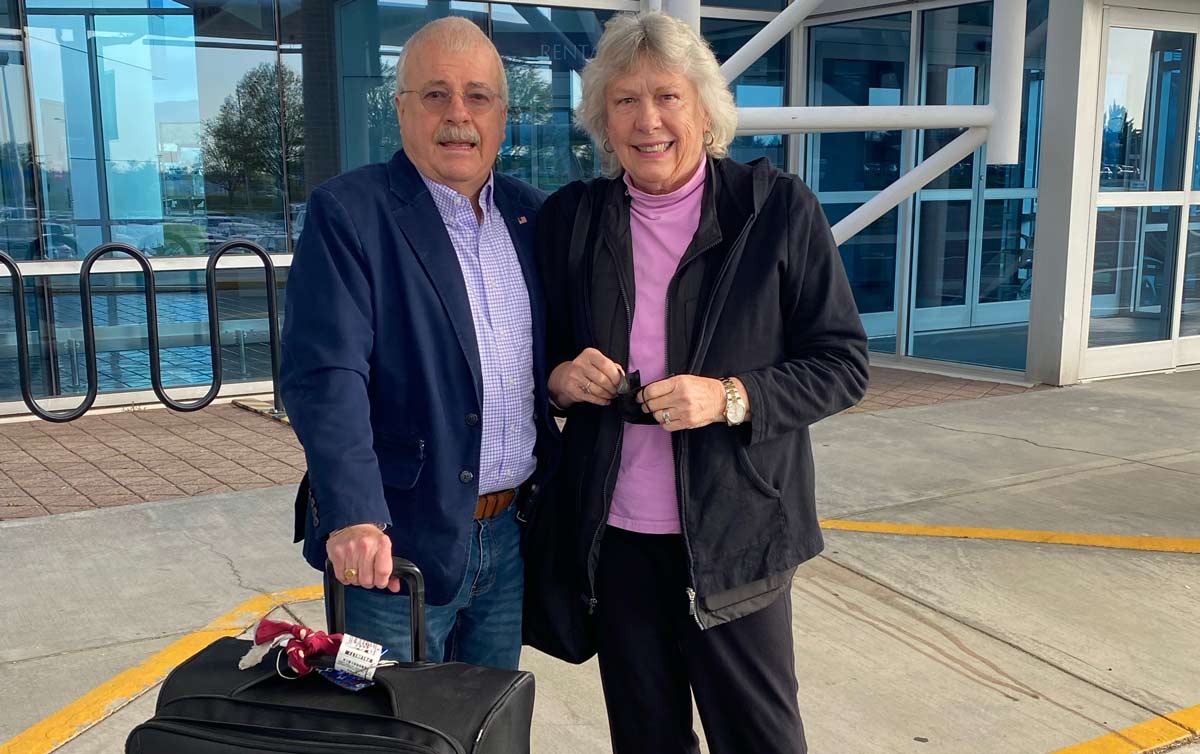 Image above: Jimmy Moore is looking forward to getting back to traveling with his wife of nearly 56 years, Gaylyn.
“It’s been a long journey, and I’m still progressing. I’m looking forward to getting back to travel and staying active,” Moore says.
See Ohio State University Hospital’s progress from early stages to its 2026 opening.

Committed to serving patients from across the state, Ohio State’s new University Hospital is decorated with over 600 photos representing Ohio’s 88 counties. Learn more.
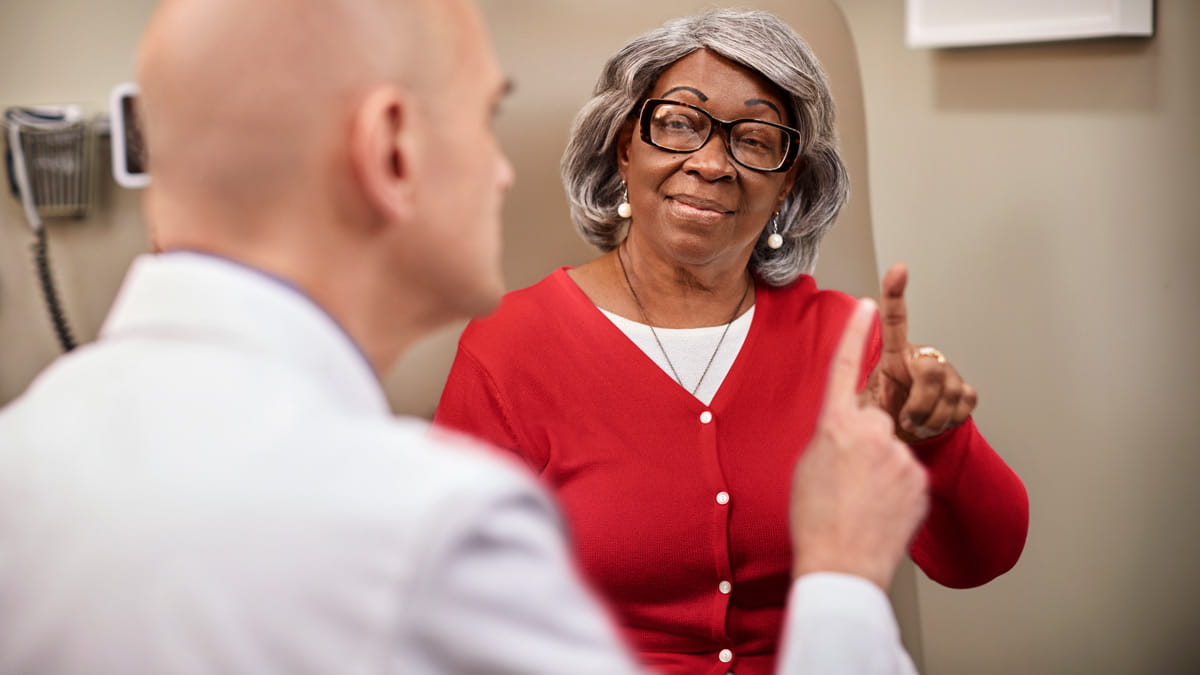
Patricia Culbreath shares their story about living with essential tremor at The Ohio State Wexner Medical Center.