
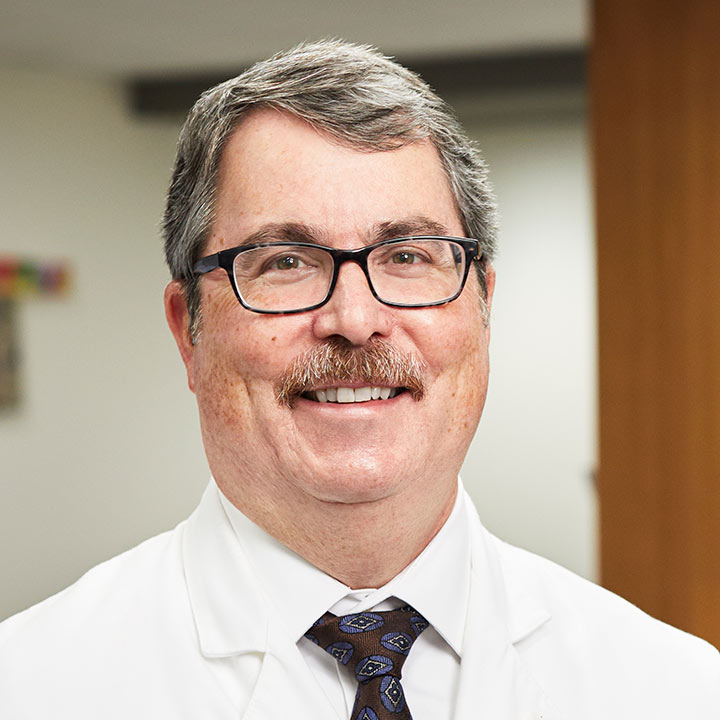
Douglas Scharre, MD
Physician, Professor
Neurology
Make an appointment
614-293-4969Conditions and expertise
- Alzheimer's Disease
- Memory Disorders
- Mild Cognitive Impairment
- Cognitive Neurology
- Delirium, Dementia, Amnestic, Cognitive Disorders
- Frontotemporal Dementia
Locations
- Neurology in Outpatient Care New Albany
- Neurology in Martha Morehouse Outpatient Care
- Lab in Martha Morehouse Outpatient Care
Academics and research
Department: Neurology
About
- Gender
- Male
Biography
I am the medical director of the Center for Cognitive and Memory Disorders at The Ohio State University, a clinical researcher, and am a master clinician (Mazzaferri-Ellison Society of Master Clinicians) regarding diagnosis and management of cognitive issues.
As a cognitive and behavioral neurologist, I specialize in diagnosis and treatment of neurodegenerative disorders including Alzheimer's Disease dementia with Lewy bodies, and frontotemporal lobar degenerations.
Every patient and family deserves to be informed and educated on their medical issues and potential research opportunities. Patients at The Ohio State University Wexner Medical Center benefit from new discoveries and scientific advances as we strive to provide you with the best possible care.
I have been selected by my peers as one of the “Best Doctors in America” for the last 21 years in a row. Everything I do in research, education and clinical care is focused on improving the lives of patients and caregivers with cognitive disorders and dementia conditions.

Highlights
- Director, Division of Cognitive Neurology
- Medical Director, Neurobehavior and Memory Disorders Clinics
- Rated in the top 10 percent of physicians in the nation for patient satisfaction, 2015, 2017, 2019
- Named to “Best Doctors in America" and “Castle Connolly Top Doctors”
Conditions and expertise
- Alzheimer's Disease
- Central Nervous System Diseases
- Cognitive Neurology
- Delirium, Dementia, Amnestic, Cognitive Disorders
- Frontotemporal Dementia
- Lewy Body Disease
- Memory Disorders
- Mild Cognitive Impairment
- Normal Pressure Hydrocephalus
Locations
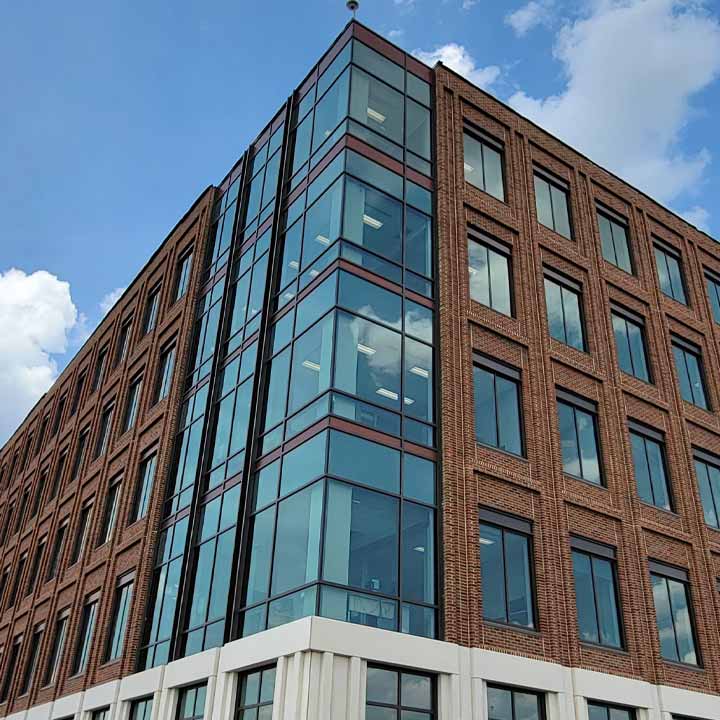
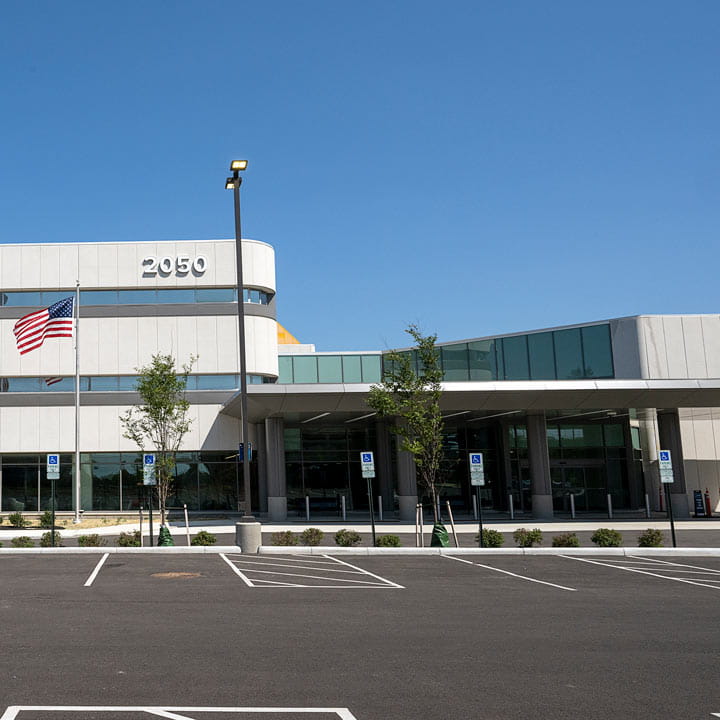
Please note: Not all physicians schedule patients at each listed location.
Credentials
Education
- Fellowship - Behavioral Neurology & Neuropsychiatry
- UCLA Mattel Children's Hospital, Los Angeles, CA
7/1/1991 - 6/30/1993 - Residency - Neurology
- Letterman Army Medical Center, San Francisco, CA, USA
7/1/1984 - 6/1/1987 - Internship - Internal Medicine
- William Beaumont Army Medical Center, Fort Bliss, TX, United States
7/1/1983 - 6/30/1984 - Doctor of Medicine (MD)
- Georgetown University School of Medicine, Washington, DC
8/1/1979 - 5/1/1983
Certification
-
American Board of Psychiatry & Neurology-Neurology
3/30/1990
Academics and research
I have conducted more than 250 cognitive and dementia related multi-center and investigator-initiated clinical trials funded by the National Institutes of Health (NIH), by foundations, and by the industry in my career of more than 30 years. These studies have utilized neuroimaging, serum and cerebrospinal fluid biomarkers, cognitive biomarkers, genetic biomarkers, and cognitive, functional and behavioral scales on mild cognitive impairment, dementia and control subjects. The data from these research subjects who participated in studies at our Ohio State University Memory Disorders Research Center have contributed to over 5,000 research publications.
I am a contributing member of several national research and NIH-supported consortiums including the Alzheimer's Clinical Trials Consortium (ACTC) and the Alzheimer’s Disease Cooperative Study (ADCS) group. I have participated in all the Alzheimer’s Disease Neuroimaging Initiative (ADNI) projects, and I am a member of the steering committee for ADNI. My research center is also designated as one of the funded Lewy Body Dementia Association Research Centers of Excellence, where he currently serves on the clinical management best practices committee.
I have designed and developed both paper and digital versions of the Self-Administered Gerocognitive Examination (SAGE), a cognitive assessment instrument designed for identifying individuals in a practical way with mild cognitive impairment or early dementia from any cause and to be sensitive to changes over time. Comprehensive validation was published in 2010 and it was revalidated in a separate European cohort in 2025. Normative data from a community sample of more than 1,000 individuals was published in 2014. Validation of a tablet-based electronic SAGE (BrainTest) was published in 2017. Longitudinal cohort testing for detection of dementia conversion was published in 2021. Declining SAGE scores of 2-3 points indicated a high risk for eventual dementia and this was noted at least six months earlier than changes in the Mini Mental State Examination. Its use in primary care visits was published in 2024. SAGE is available free online for clinical use (sage.osu.edu), and BrainTest is available through EPIC for health care systems and online for individual use (braintest.com). SAGE has been downloaded over 4 million times.
One current project is my NIH R01 grant exploring the integration of eSAGE (BrainTest) with electronic medical record data using machine learning for the early detection and monitoring of cognitive impairment in individuals including those underserved. Ongoing studies also include therapeutic trials for those with mild cognitive impairment, Alzheimer's Disease dementia, frontotemporal dementia, Lewy body disease, behavioral disturbances with dementia, and those at risk for dementia conditions, utilizing medications, gene therapies and devices.
I have studies involved with biofluid banking, genetic testing, and testing for new fluid, imaging and cognitive biomarkers. My future research goals include investigating best practices to collaborate with patients, families and primary care providers to speed up the time from first cognitive complaint to identification of a cognitive issue, diagnosis and then appropriate treatments.
Research interests
- Alzheimer's Disease
- Central Nervous System Diseases
- Cognitive Neurology
- Delirium
- Dementia
- Amnestic
- Cognitive Disorders
- Dementia
- Frontotemporal Dementia
- Lewy Body Disease
- Memory Disorders
- Mild Cognitive Impairment
- Normal Pressure Hydrocephalus
Research Methods
- Case Studies
- Quantitative Research
- Quantitative: Observational Studies
- Quantitative: Randomized control trials (RTCs)
- Quantitative: Surveys and Questionnaires
- Secondary Data Analysis/Real World Data
- Systematic Review and Meta Analysis

Academic information
- Department:
- Neurology
- Division:
- Neurology
More about my research
News and media
My Videos

My news coverage
- Survey shows Americans want to start brain health habits earlier
- Using self-administered cognitive test in primary care offices increased early diagnosis of cognitive disorders by six times
- Self-administered cognition test predicts early signs of dementia sooner
- MedTips: April Awards and Announcements
- Ohio State Study Of Brain Pacemaker Shows Promise In Slowing Decline Of Alzheimer's
- Trial Helps Doctors Tell Lewy Body Dementia From Alzheimer's, Parkinson's
- SAGE Test Useful To Screen For Memory Disorders In Community Settings, Ohio State Study Shows
- Ohio State Implants First Brain Pacemaker To Treat Alzheimer's
- Brain Pacemakers Used to Treat Alzheimer's Disease
Ratings and reviews
The overall patient satisfaction rating is an average of all patient responses to the six doctor communication related questions shown below from the Clinician and Group Consumer Assessment of Healthcare Providers and Systems survey. For additional information about the patient satisfaction survey, please visit our Patient Satisfaction Survey page.
The comments are submitted by patients and reflect their view and opinions. The comments are not endorsed by and do not necessarily reflect the views of Ohio State Wexner Medical Center.
63 Patient Satisfaction Reviews
Patient Comments
Consulting and related relationships
At The Ohio State University Wexner Medical Center, we support a faculty member’s research and consulting in collaboration with medical device, research and/or drug companies because a faculty member’s expertise can guide important advancements in the practice of medicine and improve patient care. In order to provide effective management of these relationships, the University requires annual disclosures from all faculty members with external interests related to their University responsibilities.
As of 11/3/2025 Douglas Scharre has reported relationships with the companies or entities listed below. If you have questions about the relationships listed below, please ask the faculty member. If you have questions about how these relationships are monitored by The Ohio State University Wexner Medical Center, please contact our Compliance Office.
- Biogen
- Brain Test
- Cognition Therapeutics
- Eisai
- Eli Lilly and Company
- Novo Nordisk A/S
- Office of the Federal Public Defender
A pleasant Interaction
Great
Dr Scharre is outstanding!! Very caring, very personable and has a fantastic sense of humor that makes one feel very at ease.
All exce;llent except I Pad testing
Dr. Scharre is very knowledgeable, compassionate and caring clinician with a holistic approach to medicine.
We have full confidence in Dr. Scharre after this initial consultation, and he more than lived up to our expectations after learning of his outstanding credentials.
Treated me as a true partner in my care and care plan.
Dr scharre was exceptionally patient and thorough on a difficult diagnosis. Great sense of humor
Excellent listener, asks probing questions, good "bedfsider manner", makes you feel comfortable under difficult conditions
Dr. Scharre was wonderful
Tina Bodine, Dr. Scharre's assistants and Renee Kovesci were wonderfully caring and responsive. Could not ask for more. So was Dr. Scharre who has responded to my MyChart messages in less than a day.
All good
Enjoyable, felt comfortable and relaxed
Experience was fine.
I was treated well.
My care provider understood my health care needs very well
I was very impressed with Dr. Schafer. I traveled from out of town to see him and it was worth the visit and time. I am hoping to get some better answers for my health.
Very very polite and patient
Dr Scharre is the type of doctor we would all like to have . Attentive, friendly, knowledgeable, and personable
Good