
The anticipation of a new baby can come with significant anxiety if you go into preterm labor or are at risk for a premature birth. Experts at The Ohio State Wexner Medical Center in Columbus, Ohio, can help you navigate this uncertainty with support and medical care, ensuring your baby has the strongest possible start.
Any birth before 37 weeks is considered a premature (preterm) birth. Two-thirds of preterm births occur following spontaneous preterm labor or premature rupture of membranes, while one-third of preterm births are usually recommended for maternal or fetal complications, such as preeclampsia or growth restriction.
Premature babies sometimes need time in the neonatal intensive care unit (NICU) for monitoring and medical care, depending on their size and development. With today’s technology and the expertise of our Maternal Fetal Medicine and neonatology teams, most premature babies become healthy, thriving children. If you experience or are at risk of preterm birth, the Ohio State Wexner Medical Center can provide you and your baby with the best possible care.
What are the stages of preterm birth?
Any baby born before 37 weeks of pregnancy is considered born prematurely, but often the earlier a baby is born, the more challenges they may face. Typically, the stages of premature birth are classified as:
- Late preterm: Birth between 34 and 36 weeks of pregnancy
- Moderately preterm: Birth between 32 and 34 weeks of pregnancy
- Very preterm: Birth between 28 and 32 weeks of pregnancy
- Extremely preterm: Birth before 28 weeks of pregnancy
How common is having a premature birth?
One out of every 10 babies in the United States is a preemie, according to the Centers for Disease Control and Prevention (CDC).
What are symptoms of having a premature birth?
If you think you’re experiencing signs of preterm labor, call your provider right away. Symptoms of premature labor include:
- Contractions
- Pressure in your vagina
- Bleeding, or a change in vaginal discharge
- Leaking amniotic fluid
- Decreased fetal movement
Our Maternal Fetal Medicine doctors are nationally renowned for ensuring the best possible outcomes for high-risk pregnancies, including helping to prevent premature birth or delay delivery as long as possible, if you do go into labor early.

Predicting preterm birth with new blood test
If parents and their care teams have a better idea of whether preterm labor is likely to happen, they can be more prepared to intervene with proper support and care.
Who is most likely to have a premature birth?
Premature birth sometimes occurs suddenly with no known cause, but at other times there are maternal risk factors present. Common risk factors for preterm birth include:
- A history of preterm birth
- Short cervical length
- Infection or inflammation
- Chronic health conditions, such as hypertension or diabetes
- Carrying twins or higher-order multiples
- Placental complications, such as placenta previa or placental abruption
- Frequent stress
- Smoking tobacco or substance use
- Limited prenatal care
It’s important to remember that just because you have a risk factor, you will not automatically experience preterm labor. Also, preterm labor doesn’t always result in preterm birth. Many people experience signs of early labor without delivering early. Timely evaluation and treatment can often slow or even prevent preterm birth.
Also, premature birth can occur without preterm labor, meaning there are maternal or fetal reasons for induction or cesarean birth before 37 weeks.
Can you prevent having a preterm birth?
While there’s not always a way to prevent preterm labor or premature birth, there are some steps we can take to reduce your risk for premature birth or complications from it. Some of those ways include:
- Eating a healthy diet and getting adequate sleep
- Managing your stress level
- Ensuring appropriate follow-up with your providers to monitor you and baby closely
- Medical interventions, such as vaginal progesterone, cervical cerclage or oral aspirin, which may help reduce risk of preterm birth in certain groups of people
- Avoiding nicotine, alcohol and other substances
Though taking these actions can sometimes mitigate your risk, it’s important to remember that premature birth is not the fault of the expectant parents.
Expert Guide to Healthy Pregnancy
What to expect if I go into preterm labor
 Because each day your baby stays in your womb improves their chances of survival and good health, our main goal will be to delay labor as long as it’s safe for you and your baby. While every pregnant person’s delivery will vary, here are some things you can expect:
- You’ll most likely be observed in or admitted to the hospital in our Maternal Special Care Unit.
- We’ll begin a treatment plan to keep the baby in utero, if it’s safe for you and your baby.
- You may be given certain interventions, such as intravenous hydration, medications (indomethacin or nifedipine) to temporarily relax the uterus or antibiotics to reduce the risk of infection in the infant.
- Depending on how imminent birth is, corticosteroids are often given to help stimulate lung development in the baby.
- Depending on how far along you are, magnesium sulfate may reduce the risk of cerebral palsy in the child.
If the risk to the mother or baby’s health outweighs the risk of premature birth, your care team will recommend moving toward delivery. Also, it’s important to note that preterm labor stops on its own in about 30% of cases.
Premature birth complications
As we attempt to prolong your pregnancy and delay delivery, our neonatology experts will also take steps to minimize complications when your baby does arrive. Babies born prematurely can experience health issues from mild symptoms, requiring only a brief stay in the NICU, to long-term health issues. These complications occur simply because the baby didn’t have enough time to develop, but often they stabilize over time and as your baby grows.
Common complications of premature birth include:
- Breathing problems
- Apnea
- Anemia (not enough health red blood cells)
- Difficulty maintaining body temperature
- Feeding challenges
- Low blood sugar (hypoglycemia)
- Jaundice
- Increased risk of infection
- Vision or hearing problems
- Neurodevelopmental delays, including with motor skills or cognitive function
Sometimes extremely preterm birth is linked to longer-term health conditions, such as cerebral palsy, poor growth, learning disabilities and cardiovascular disease.
Most preemies grow into healthy children. Consistent pediatric care, as well as early intervention therapy, helps improve long-term wellness. Overall, outcomes for premature babies have improved dramatically due to advances in neonatal care and follow-up therapy.
Do premature babies need special care?
Significant organ and brain development occurs during the last few weeks before a baby is born. This means premature babies, especially those born before 34 weeks, often need specialized medical support during this crucial period. The care depends on each baby’s needs and the baby's gestational age.
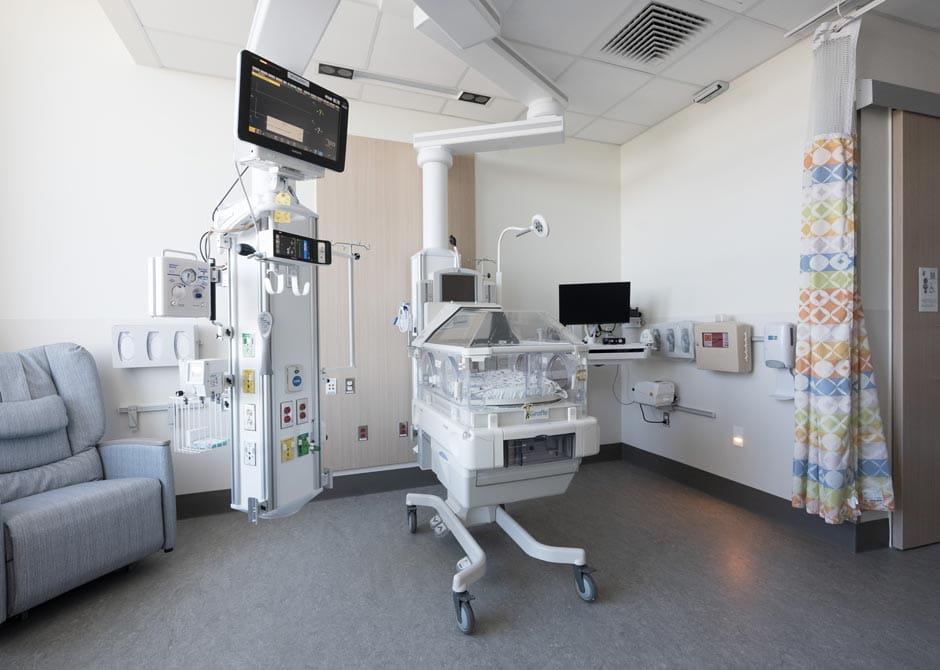
Preemies born at Ohio State are cared for in our Level III NICU, in partnership with neonatal experts at Nationwide Children’s Hospital, where neonatologists, respiratory therapists, developmental therapists, specially trained advanced practice providers and nurses work together to help babies get strong enough to go home. Because we’re a Level III NICU, our nurse-to-baby care ratio is at least 1:3 and, for the sickest babies, 1:2 or 1:1.
Our NICU, which has 51 private rooms, provides the highest possible level of support for premature infants and their families, including:
- Round-the-clock care by neonatologists
- Advanced respiratory support and noninvasive ventilation
- Specialized feeding and nutrition services
- Evidence-based skin-on-skin care
- Family-integrated care and family-centered spaces to promote growth and going home
- Developmental therapy from occupational, physical and speech therapists
- Lactation support for parents
- A quiet, healing environment designed for preemies
Why choose Ohio State for your delivery and premature birth care?
There’s a reason Ohio State Maternity Care is consistently ranked as one of the best in the nation. We’re central Ohio’s only designated Level IV Maternity Center, meaning we care for the most complex maternal conditions and critically ill pregnant people and babies. Whether you experience a vaginal birth at full term or a premature delivery after a high-risk pregnancy, families who choose Ohio State have access to leading maternal fetal medicine specialists, a Level III NICU and a premier space designed to support you and your baby.
These resources are available to parents who go into preterm labor or have premature babies:
- Nationally recognized Maternal Fetal Medicine experts
- 24/7 obstetric (OB) emergency department teams
- Two critical care rooms equipped to handle the most complex conditions and deliveries
- Integrated care between OB, anesthesia, neonatology and nursing
- A Level III NICU with full neonatal subspecialty support
- Family-centered care with mental health, social work and lactation support
- Seamless coordination for complex or high-risk pregnancies
- Collaborative midwifery care
- Access to clinical trials and innovative research