
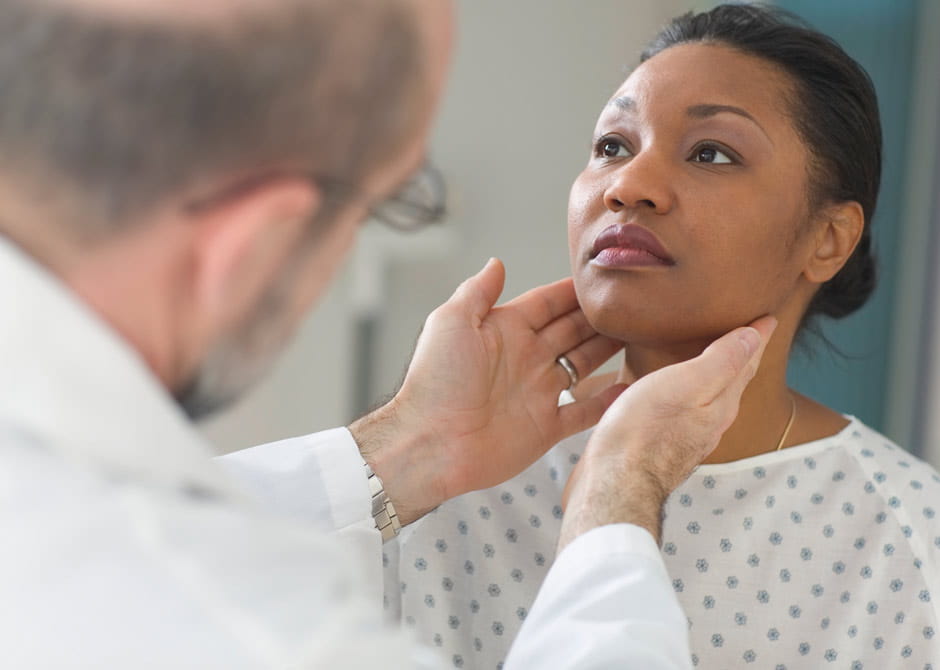
What is a swallowing evaluation?
The seemingly simple act of swallowing actually requires 30 coordinated muscles. When those muscles aren’t working together properly, it can cause dysphagia, or difficulty swallowing, interfering with your ability to pass food and liquids to the stomach and negatively impacting your overall quality of life.
A swallowing evaluation can help identify and treat a swallowing problem caused by a malfunction in one or more parts of this system. Specialists from multiple disciplines, including otolaryngology (ear, nose and throat, or ENT) and physical medicine and rehabilitation, collaborate in the Swallowing Evaluation Treatment Services at The Ohio State Wexner Medical Center, to help people with dysphagia.
If you developed a swallowing disorder after a sustaining a stroke or a brain injury or from another medical condition, our expert speech-language pathologists will work with you to determine the specific cause and develop a personalized treatment plan, along with our physician staff. The goal is to improve your overall health, with an emphasis on safety, comfort and better nutrition.
Who needs a swallowing evaluation?
A swallowing evaluation is recommended for anyone who has difficulty eating, drinking or managing saliva safely and comfortably. Besides discomfort, swallowing problems can cause complications like choking or aspiration, when something enters your lungs by accident.
Swallowing issues can affect people at any age. Dysphagia can develop suddenly after a stroke or injury, or gradually with neurological conditions.
Dysphagia can result from:
- Head and neck cancer treatment
- Developmental or congenital disorders
- Neurological diseases such as Parkinson's disease, multiple sclerosis (MS) and amyotrophic lateral sclerosis (ALS)
- Stroke
- Spinal cord injury
- Traumatic brain injury (TBI) or another injury to the body
- Tracheostomy, which is a neck incision allowing for insertion of a breathing tube
- Ventilator dependency, which occurs with prolonged device-assisted breathing support
- Muscle weakness or cognitive decline in older adults
- A decrease in saliva, such with as Sjogren syndrome
What happens during a swallowing evaluation?
A swallowing evaluation is a detailed assessment conducted by a speech-language pathologist (SLP) to determine how safely and effectively you swallow food and liquids. These specialists are experts in identifying when there’s an issue with the complicated, but normally automatic, act of swallowing. The goal is to pinpoint where the swallowing process may be breaking down and to develop a plan that improves safety, comfort and nutrition.
A swallowing evaluation is both comfortable and noninvasive. It can take place in a clinic or at the bedside, and typically includes the following:
- Medical history and symptom review – The SLP begins by reviewing your medical history, recent illnesses or surgeries, and any medications that could affect swallowing. You’ll have a chance to explain your symptoms, such as coughing, throat clearing or food getting stuck.
- Oral-motor examination – Next, the provider will examine the strength, coordination and movement of the muscles involved in swallowing to identify issues that may interfere with chewing, moving food in the mouth or initiating a swallow.
- Observation of swallowing – You’ll likely be asked to eat and drink small amounts of various textures, such as water, applesauce or crackers. The provider will observe how you chew and swallow and whether you cough after swallowing, or if there are signs of food or liquid entering the airway.
- Instrumental assessment – If more detailed information is needed, the SLP may recommend additional assessments often performed in collaboration with radiology or ENT specialists.
Swallowing treatment services
This program offers rehabilitation services at each phase of your rehabilitation, from bedside swallowing evaluations in the hospital (inpatient services) to those offered after returning home (outpatient services). These services help your care team understand your swallowing and create a plan that works for you, so you can achieve the highest level of recovery.
As part of your evaluation and treatment, our speech-language pathologists may use some of the specific assessments, tests and treatments listed below:
Bedside clinical swallowing evaluation
A bedside clinical swallowing evaluation is performed by a SLP at the hospital or in a clinic to evaluate signs of swallowing problems and help decide if more testing is needed.
Fiberoptic endoscopic evaluation of swallowing (FEES)
This evaluation is a specialized swallowing test using a small camera. The camera is inserted through the nose into the throat and helps your care team evaluate how you swallow and decide the best next steps for your treatment.
Modified barium swallow (MBS)
A specialized test called a modified barium swallow (MBS) is a moving X-ray used to evaluate swallowing disorders. It evaluates your swallowing abilities and helps us determine the most beneficial treatments.
Swallowing evaluation treatment team
After the swallowing evaluation, the SLP reviews the findings with you and your care team. You’ll receive a description of how your swallowing system is functioning, and a treatment plan. This may include:
- Recommendations for the food and liquid textures that may work best for you
- Specific swallowing strategies or exercises to help improve how you swallow
- Referrals for follow-up therapy or any medical treatment, if needed
If you’re diagnosed with dysphagia, clinicians from multiple areas will work together to support your treatment. Your personalized treatment plan starts with a team of specialists who may include:
- Speech-language pathologists who specialize in helping patients improve communication, cognition and swallowing function
- Gastroenterologists who specialize in disorders of the digestive system
- Neurologists who specialize in disorders of the nervous system
- Otolaryngologists who specialize in treating ear, nose and throat (ENT) disorders
- Physical medicine and rehabilitation physicians (physiatrists) who specialize in helping people regain body functions lost due to medical conditions or injuries
- Dietitians who specialize in nutrition and dietetics
- Psychologists who specialize in clinical psychology, counseling or guidance
- Pulmonologists who specialize in disorders of the lungs
- Discharge planners who specialize in arranging the care following a hospital stay
- Nurses who specialize in patient care, health promotion and disease prevention
- Occupational therapists who specialize in improving your ability to complete activities of daily living
- Physical therapists who specialize in helping patients achieve maximum strength, balance and mobility
- Respiratory therapists who specialize in assessing and treating breathing disorders
Why choose Ohio State for a swallowing evaluation and treatment?
Ohio State’s comprehensive rehabilitative care programs combine evidence-informed practices with a personalized approach to help people manage swallowing difficulties. Whether you’re recovering from a stroke, surgery, or living with a long-term condition, your care team will work with you to create a collaborative evaluation and treatment plan that supports your nutrition, comfort, and confidence with eating and drinking. Our team combines clinical expertise with advanced tools to guide your care.