
What to Expect in Outpatient Rehabilitation
Learn more about what outpatient therapy services might look and feel like for you.

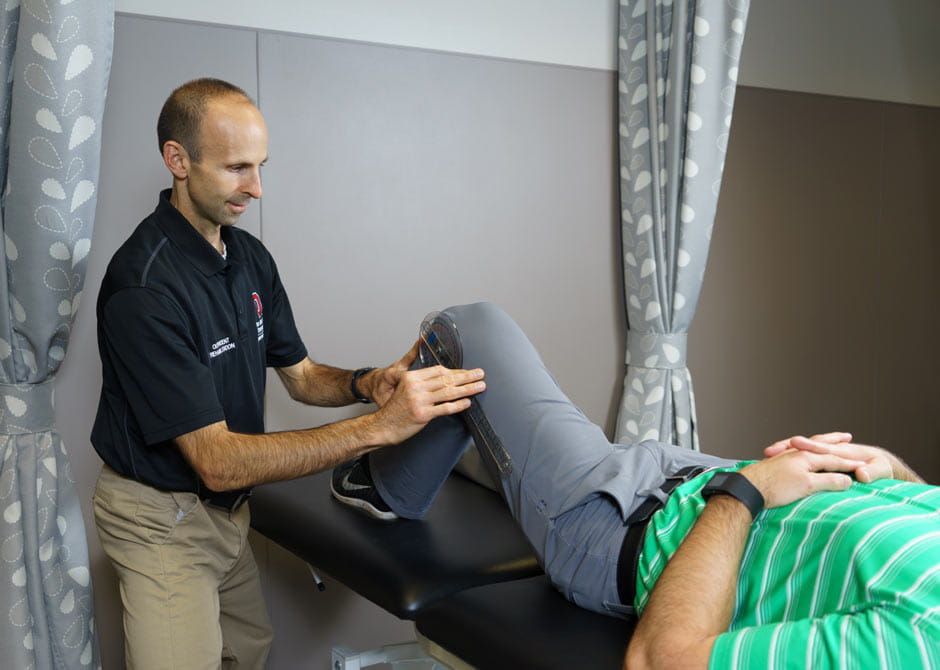 When you’re unable to function in your daily life without pain or assistance, you’re not at your best physically, mentally or emotionally. The physical medicine and rehabilitation experts at The Ohio State University Wexner Medical Center in Columbus, Ohio, understand the importance of helping you alleviate pain and restore function to improve your quality of life.
The Ohio State Wexner Medical Center offers many outpatient therapy services, including physical therapy, occupational therapy and speech-language pathology, at convenient locations throughout central Ohio, allowing you to start or continue your healing journey close to home. Our certified, expertly trained therapists and rehabilitation staff will optimize your recovery through personalized therapy. Knowing what to expect from your rehabilitation can help make the transition from one service to the next smoother.
What are the key stages of an outpatient rehabilitation program at Ohio State?
For most people, outpatient rehabilitation will involve various exercises, techniques or therapies too produce the desired result: achieving your recovery goals. That process might include:
Scheduling your first appointment
Convenient scheduling is available through MyChart or by calling 614-293-2001. It’s important to remember that depending on your condition or your insurance, you may need a referral from a physician for rehabilitation services.
Assessment and planning
During your first appointment, your therapist will collaborate with you to develop a care plan that focuses on the functional activities that are important to you. This appointment typically takes 45 to 60 minutes. Immediately following your appointment, our on-site patient access coordinators work with you to schedule your future appointments.
Early intervention
Engaging in outpatient rehabilitation services at the start of a new medical issue, attending all appointments and committing to your recommended home program are key to restoring function quickly and meeting your goals.
Progressive treatment
During your outpatient therapy sessions, you’ll work toward your personalized goals with your clinicians. As you improve function and progress in your recovery, your treatments may change, advance or increase in intensity. The same goes for if you plateau or see a dip in that progress — your treatment plan will remain flexible. We’ll adjust based on ongoing assessments, ensuring that exercises remain challenging enough to promote improvement while staying within a safe limit.
What will a typical outpatient therapy appointment look like?
Regular therapy sessions are the foundation of outpatient rehabilitation. No two people’s rehabilitation will be the same: a speech therapy appointment for someone recovering from a stroke will look very different from an occupational therapy appointment for someone with carpal tunnel or an athlete in physical therapy for a knee injury.
However, there are some basic principles to any outpatient therapy appointment that can help you prepare for your appointments. Those include:
- Dress comfortably in clothes that are appropriate to work out in and make you feel good.
- Bring a water bottle.
- Use a notebook and writing utensil to keep track of any exercises or other reminder notes.
- Ask questions when a task doesn’t make sense.
- Do your at-home exercises or any other homework as assigned.
- Attend all therapy sessions to ensure the best outcomes.
Therapy sessions may involve a variety of therapeutic activities, including targeted exercises, manual therapy techniques, balance training and task-specific practice, along with patient education about your condition and how to manage limitations. During these therapy sessions, we can address challenges or issues related to things like:
- Mobility
- Self-care
- Activities of daily living, such as getting dressed or personal hygiene
- Independent living skills, such as cleaning or cooking
- Bowel and bladder management
- Swallowing
- Communication
- Cognition
- Behavior
- Wheelchair management
- Adjustment to disability
How long will outpatient rehabilitation last?
The length of your plan of care is determined by a variety of factors, including severity of your medical issue and your goals for rehabilitation. Generally, outpatient rehabilitation sessions take 45 to 60 minutes and occur one to two times per week.
Some people will only need a handful of therapy sessions over the course of a few weeks, whereas others can be in outpatient rehabilitation for months or even longer.
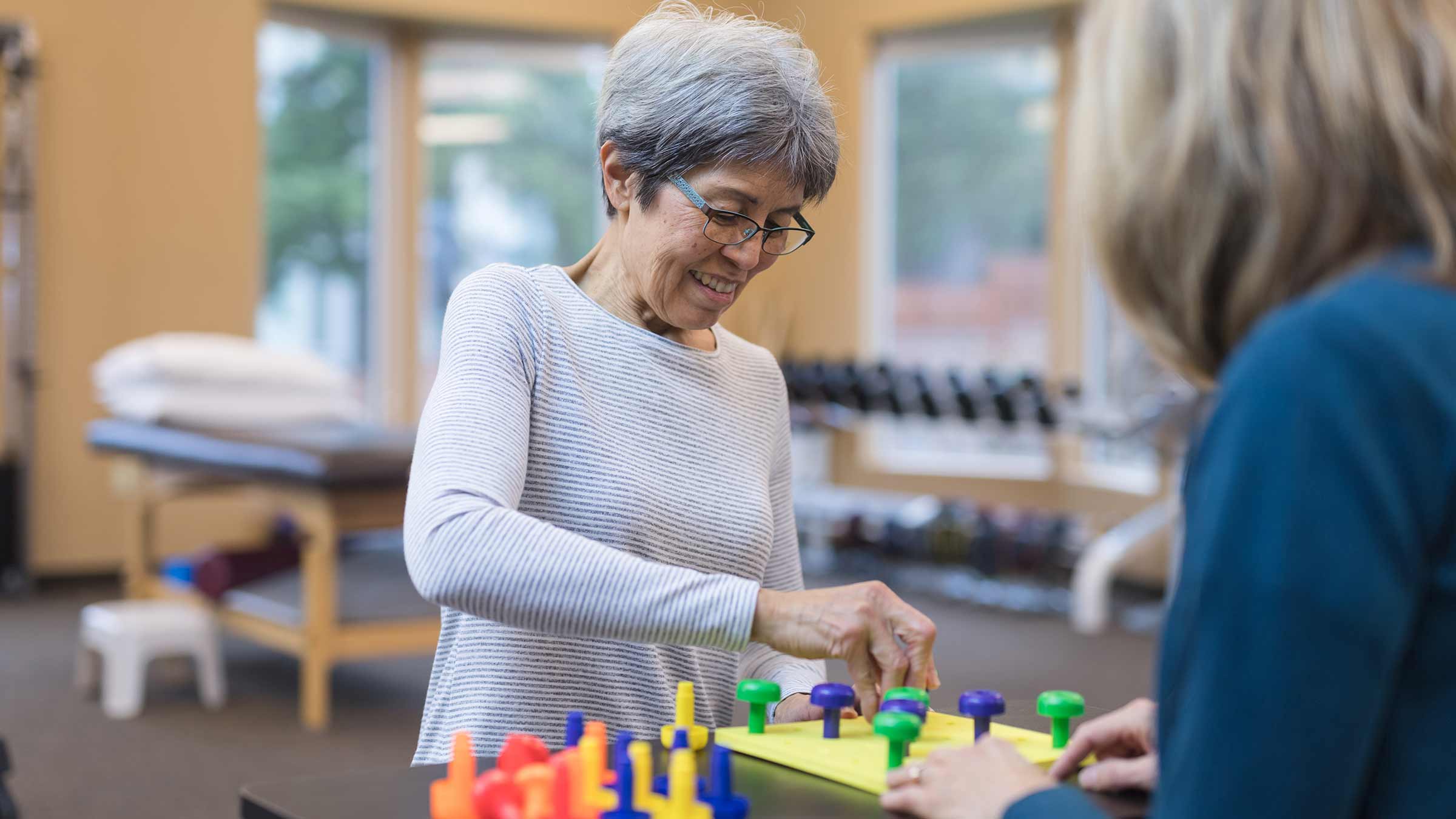
When to see a physical therapist or an occupational therapist
Both physical therapists and occupational therapists are committed to helping you recover after injury and optimizing your ability to function independently. But when do you visit one specialist over the other?
How to transition from outpatient rehabilitation
We like to say that you’re not in therapy for life, but in therapy to get back to your life. When you see results during the rehabilitation process, we’ll be there to cheer you on with the hope that you’ll have fewer appointments until you progress to independence with your own care.
Goal achievement
Whether your goal is to play sports at a high level, to be able to keep up with your grandchildren, or it is something as simple as driving a car again, we’ll make sure that the established recovery expectations are met. We’ll set incremental goals toward recovery but will continue to adjust and add new techniques as needed.
Gradual reduction
Once you’ve achieved your initial rehabilitation goals, we’ll begin to decrease the frequency and intensity of your therapies. Our rehabilitation experts will also prepare a plan for you to transition from our care but still manage any issues at home with regular physical activity, stretching and nutrition.
Follow-up support
Even when your outpatient rehabilitation is complete, our experts still provide ongoing monitoring and support to maintain your ability to function without pain and prevent future injuries or conditions. If your injury does return or a new issue arises, we’ll be there to assist you. The goal is to equip you with the tools you need for independence and self-management while ensuring you have access to support.