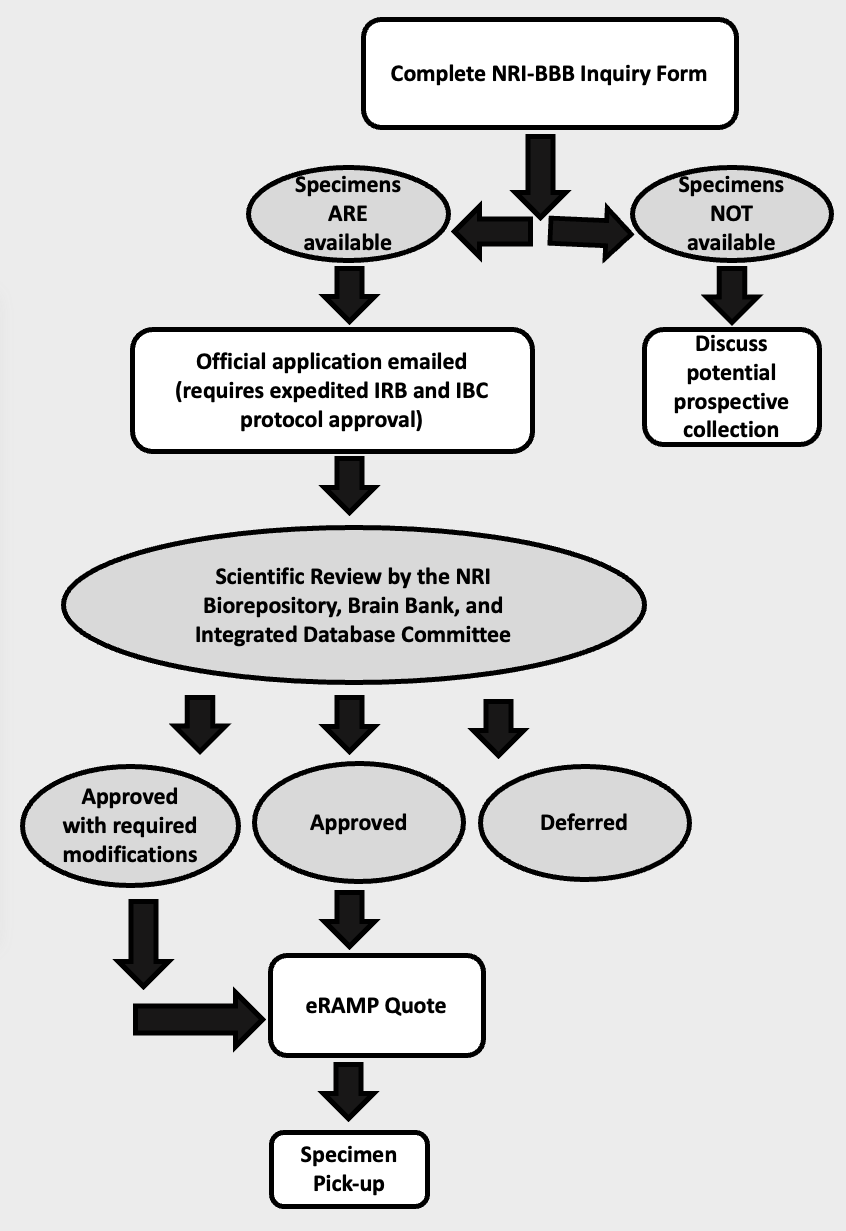
Neuroscience Research Institute Brain Bank and Biorepository (NRI-BBB)
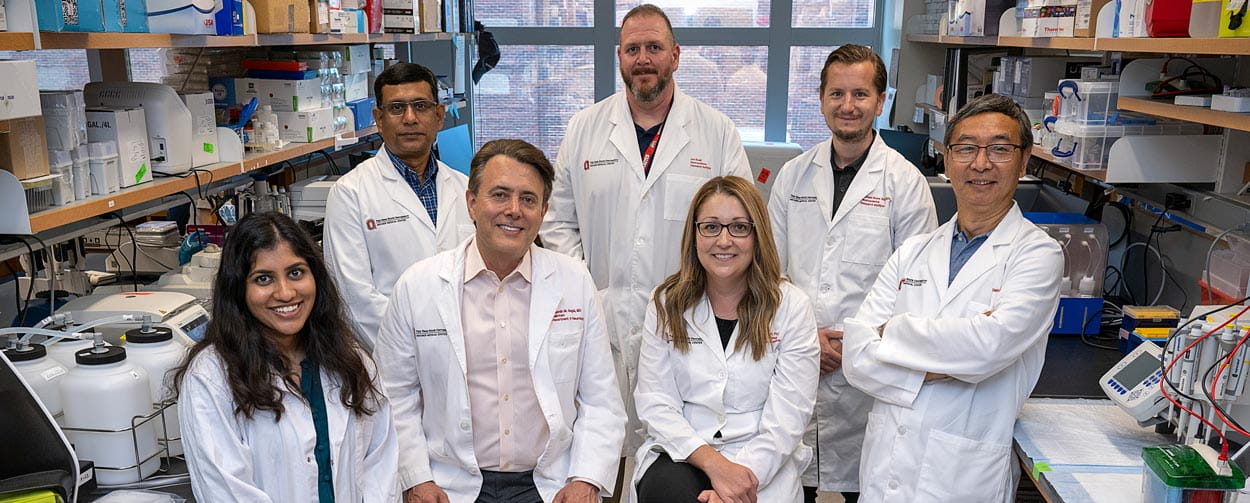
The goal of the Neuroscience Research Institute Brain Bank and Biorepository is to establish a state of the art brain bank and biorepository at The Ohio State University to facilitate novel research and clinical trials using samples collected by clinicians directly involved in patient care. Patient samples collected and stored within the NRI-BBB includes, but is not limited to CSF, blood, autopsy and surgical and/or biopsy specimens.
About the NRI-BBB
-
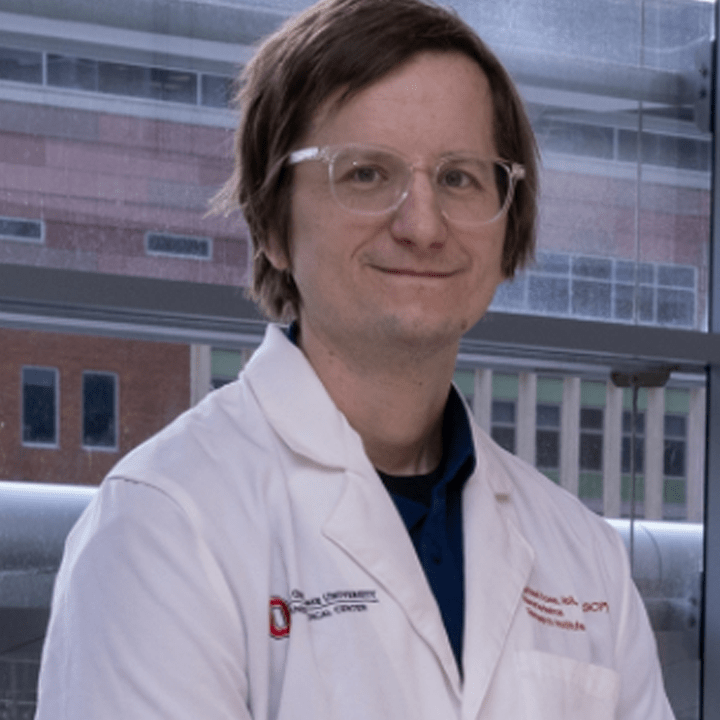
Michael Rose, MBA, MB(ASCP)CM
Lab manager
Michael Rose received his Bachelor of Science in Cell and Molecular Biology from Kent State University. Michael began his career at Nationwide Children’s Hospital where he was a lead team member for their own biorepository and later joined the clinical next generation sequencing team where he tested for a variety of genetic inherited diseases and cancer at the Institute for Genomic Medicine at Nationwide Children’s Hospital. During this time Michael also received his certification in Molecular Biology from American Society for Clinical.
Michael joined the Neuroscience Research Institute in September 2021 beginning his role as Laboratory Supervisor for the NRI-BBB before progressing into his current role as Laboratory Manager. While at The Ohio State University Michael received his Master of Business Administration in 2025. Michael has established new pipelines and workflows for sample collection/processing while ensuring regulatory compliance and database management for the NRI-BBB and others. Michael is passionate about improving processes for the better of the laboratory and building relationships across work groups.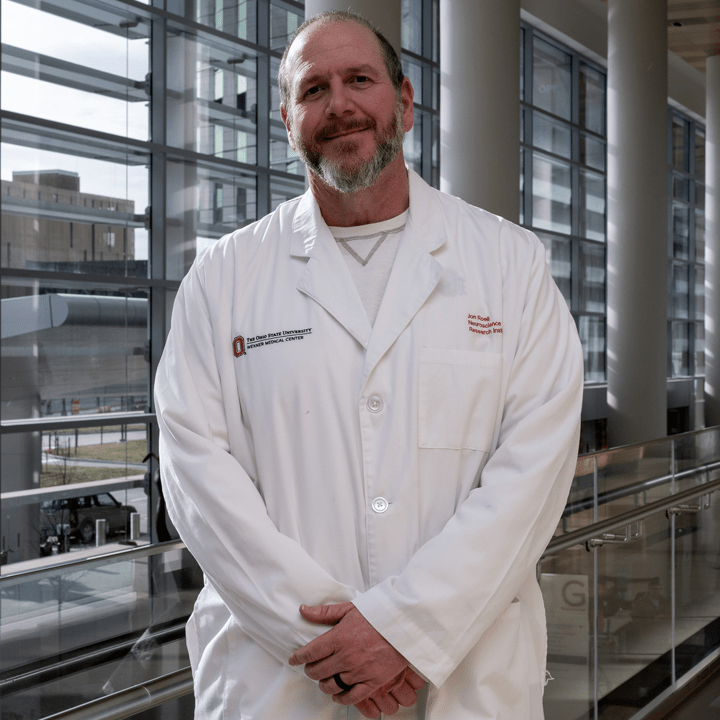
Jonathan Roell, MBBS
Research Associate
Jonathan Roell joined the Neuroscience Research Institute at The Ohio State University in September of 2021 as a Research Associate and handles the processing, storage and maintenance of samples submitted to the NRI-Brain Bank and Biorepository. He received his B.S. from the University of Florida in Engineering Sciences before working at the CDC investigating foamy virus as a potential vaccine vector. He then spent six years in Beijing where he received his MBBS from China’s Capital Medical University.
Jonathan’s most recent position prior to joining OSU was as a molecular technologist at OSF St. Francis Medical Center where his team was tasked with developing large scale COVID-19 testing at the onset of the pandemic. As a member of the NRI-BBB team, Jonathan plays an integral role in expanding the NRI-Brain Bank and Biorepository which supports translational research across OSU’s College of Medicine.
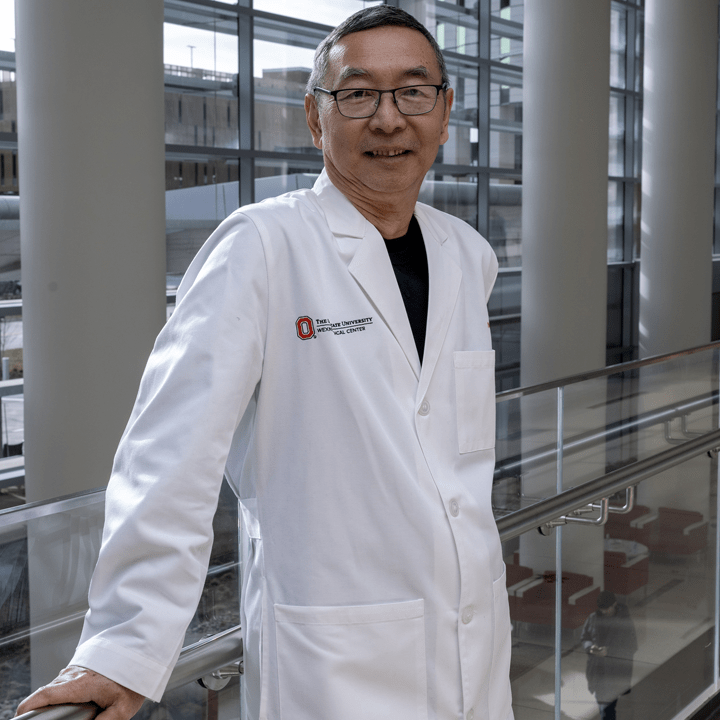
Tom Liu, MD, PhD
Research Scientist
Tom Liu joined the Segal Lab within the Department of Neurology in 2020 and his significant roles include designing, overseeing, and performing the molecular, cellular, and immunologic studies on all neuron-regeneration projects. As a senior scientist, he participated in the development of the Neuroscience Research Institute’s protocols and pipelines for biorepository collection, processing, and storage and is one of the major contributors in biological processing on multiple ongoing clinical trial protocols.
Most recently, he established and currently oversees all aspects of the genomic medicine pipeline within the Segal Lab and the Neuroscience Research Institute. His primary roles are to design experiments, process samples, and library preparations of a variety of next generation sequencing projects including genomic, whole transcriptomic (RNAseq), and single cell (10X) library preparation.
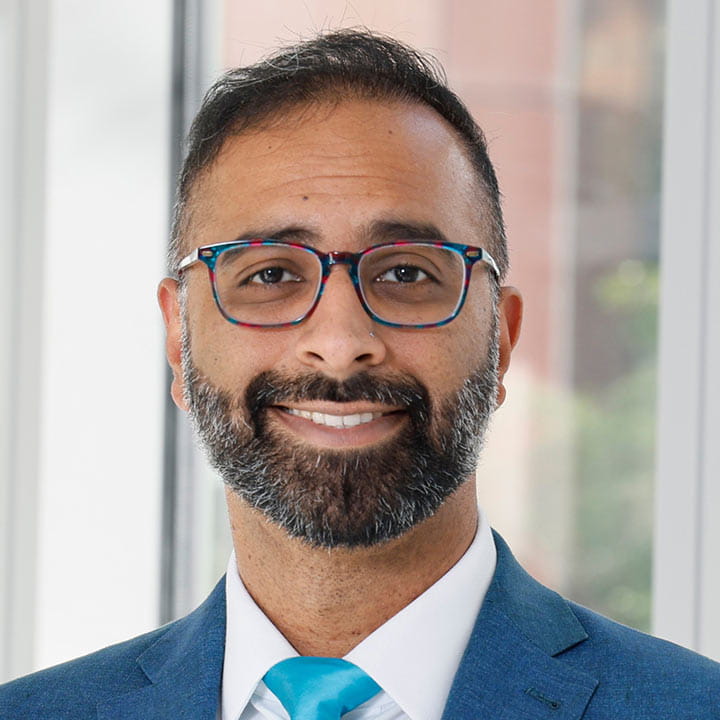
Krishna Bharani, MD, PhD
Neuropathology Director
Krishna Bharani, MD, PhD joined The Ohio State University Department of Pathology in September 2025 as a clinical neuropathologist after completing a Neuropathology Fellowship and Anatomic Pathology Residency at Stanford Medicine. They earned both an M.D. and Ph.D. from the Medical University of South Carolina (MUSC), where their dissertation focused on identifying biomarkers of Alzheimer's disease through neurocognitive, neuroimaging, and neuropathologic approaches.
Dr. Bharani brings his broad experience with brain processing and banking from their work with the Carroll A. Campbell, Jr. Neuropathology Laboratory (MUSC brain bank) and the Research Autopsy Center at Stanford.
Former lab team members
- Samruddhi Ubhe, BS
- Suvojoti Barua, BS
- Maura Coiner, BS
- Amy Dokiburra, BS
- Devarshi Upadhyay, BS
-
-
Neuroscience Research Institute Brain Bank and Biorepository Fee Structure
The table below shows the previously collected samples.
Fee descriptions Project initiation fee
$200 Technologist rate (/hour, 15 minute intervals) $40 Project management rate (/hour, 15 minute intervals) $50 Sample storage fee - 80 (box) per year $35 Sample storage LN2 (box) per year $120 Skin biopsy $155 Muscle biopsy $165 Urine $20 Fresh blood (per collection) $41 Fresh CSF (per collection) $65 Frozen CSF cell pellet $200 Frozen CSF supernatant (250uL) $35 DNA aliquot per microgram $20 Fresh plasma (aliquot) $49 Frozen plasma (aliquot) $25 Fresh serum (aliquot) $33 Frozen serum (aliquot) $28 Fresh PBMCs (aliquot) $104 Frozen PBMCs (aliquot) $165 Frozen brain tissue request (slice, approximately 1cm)
Note: If macro-dissection is needed, price will vary and depend on neuropath availability. Frozen brain hemisphere tissue storage fees may apply for prospective projects.
$225 Please reach out to NRI-BBB@osumc.edu for prospective sample banking.
-
Inquiry Request Form For Ohio State University Researchers ONLY