
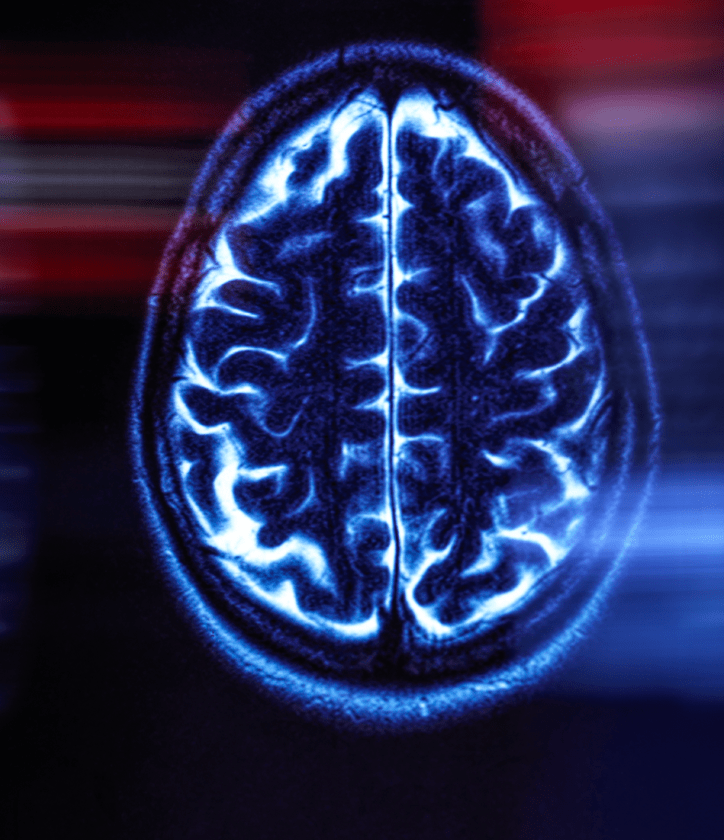
Neurological Mapping and Phenotyping (NeuroMAP) at The Ohio State University Wexner Medical Center is a transformative precision neuroscience initiative dedicated to advancing our understanding of neurological diseases.
By combining expertise in longitudinal clinical research, neuropathology, advanced imaging, molecular analysis and data science, NeuroMAP is redefining how researchers study the human brain and diseases that affect it. NeuroMAP transforms clinical data and postmortem human tissues into high-resolution molecular maps and living biological models—unlocking new insights into how neurological diseases develop, progress and respond to intervention.
At its core, NeuroMAP is designed to connect discoveries across systems and over time. In addition to studying the brain and spinal cord, researchers examine other tissues and biological systems that interact with the central nervous system or may reflect neurological disease processes, including the retina, immune system, intestinal mucosa, and skin. By integrating information from longitudinal clinical studies, imaging, biospecimins, and postmortem tissues, researchers can better understand how disease manifests throughout the body, identify new biomarkers and uncover opportunities for earlier diagnosis and more personalized treatment approaches.
Advanced artificial intelligence and machine learning technologies help bring these diverse data sources together, enabling researchers to uncover complex patterns and relationships that may accelerate discoveries and improve the prevention, diagnosis, and treatment of neurological diseases.
 Why NeuroMAP matters
NeuroMAP represents a bold step forward in neuroscience—bringing together clinical data, advanced technologies and human tissue research into a single, integrated platform.
This comprehensive approach allows investigators to move beyond traditional research models and generate deeper, more actionable insights into neurological diseases. NeuroMAP supports:
- Breakthrough discovery in neurological and psychiatric diseases
- Biomarker identification for early detection and monitoring
- Development of new therapeutic strategies
- Integration of clinical, biological and environmental data for whole-person insights
An integrated research ecosystem
NeuroMAP functions as a centralized hub that connects researchers, clinicians and departments across the university. By integrating imaging, molecular profiling, clinical outcomes and demographic data, NeuroMAP creates a powerful, shared resource for interdisciplinary collaboration.
The five pillars of NeuroMAP

COMPASS Longitudinal Study
COMPASS tracks participants longitudinally, combining clinical and cognitive assessment, biospecimen collection, neuroimaging, retinal optical coherence tomography, and wearable-device monitoring into a single multimodal clinical phenotype.

NeuroCAPTURE
Rapid tissue collection to power discovery
NeuroCAPTURE enables a rapid neuro-autopsy program that collects high-quality central nervous system and peripheral tissues, supporting translational research and a growing biorepository.
Director: Krishna L. Bharani, MD, PhD
NeuroATLAS
Mapping the brain in three dimensions
NeuroATLAS uses advanced imaging and AI-enabled analysis to generate high-resolution 3D maps of human tissues, revealing spatial relationships critical to understanding disease.
Director: Luke Hammond

NeuroCODEX
Decoding the molecular landscape of disease
NeuroCODEX provides comprehensive molecular profiling to uncover mechanisms of neurodegeneration and identify therapeutic targets.
Director: Oscar Harari, PhD

NeuroMODEL
From human tissue to living models
NeuroMODEL develops iPSC and organoid models to study disease progression and accelerate precision medicine.
Director: Erica Bell, PhD
From data to discovery to impact
NeuroMAP supports a full-spectrum research pipeline—from participant recruitment and clinical assessment to tissue analysis and shared data resources—accelerating discovery and improving outcomes.
Driving collaboration and innovation
NeuroMAP partners with departments across Ohio State to foster interdisciplinary collaboration and empower researchers with advanced tools, data and infrastructure.
NeuroMAP leadership

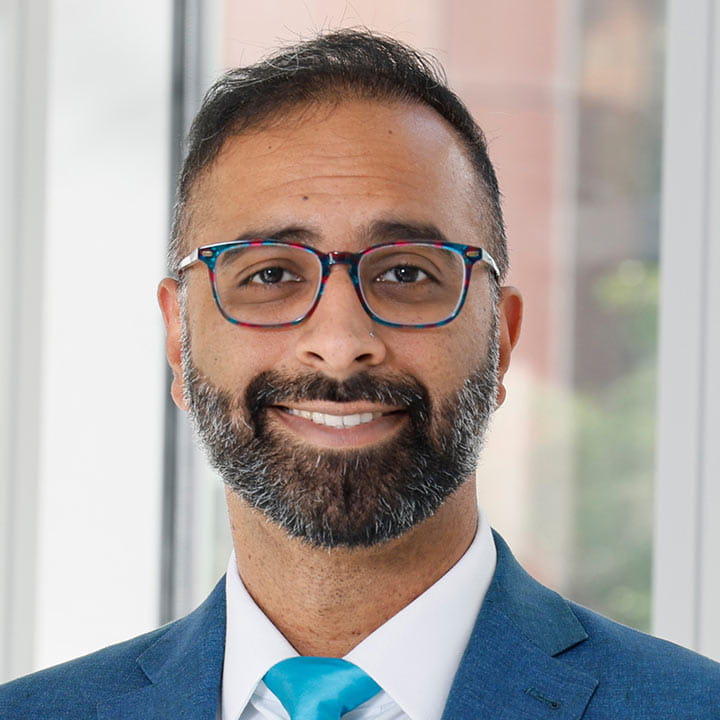
Krishna Bharani, MD, PHD
- Associate Professor, Department of Pathology
Division of Neuropathology
Director, NeuroCAPTURE

Administrators
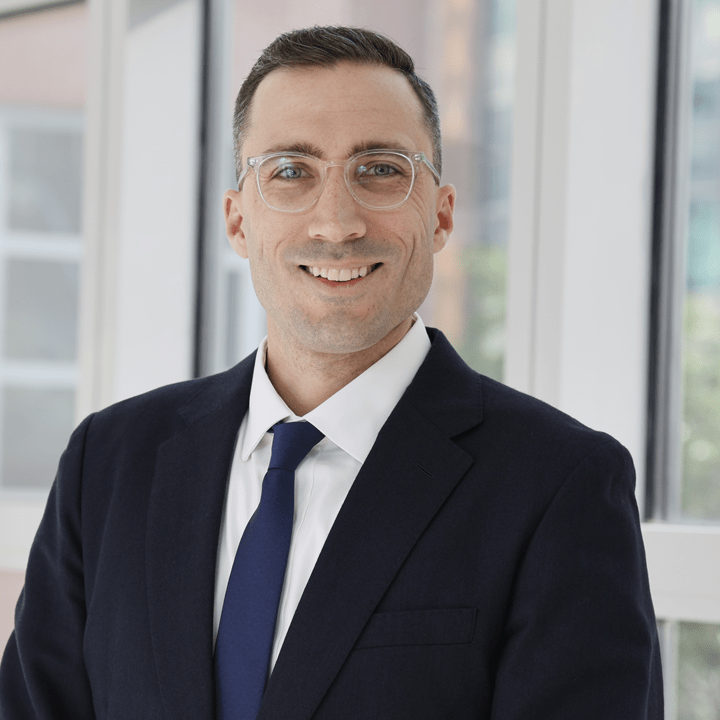
W. Thomas Whitlow, MPH, CCRP
- Administrative Lead
Key Collaborators
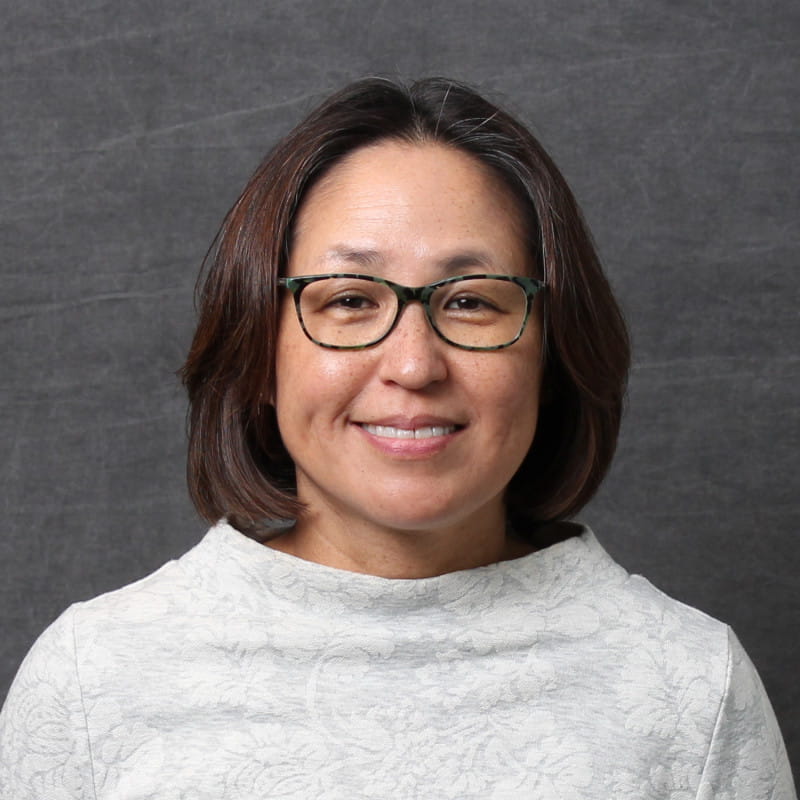
Stacey S. Choi, PhD
- College of Optometry
Department of Ophthalmology & Visual Science
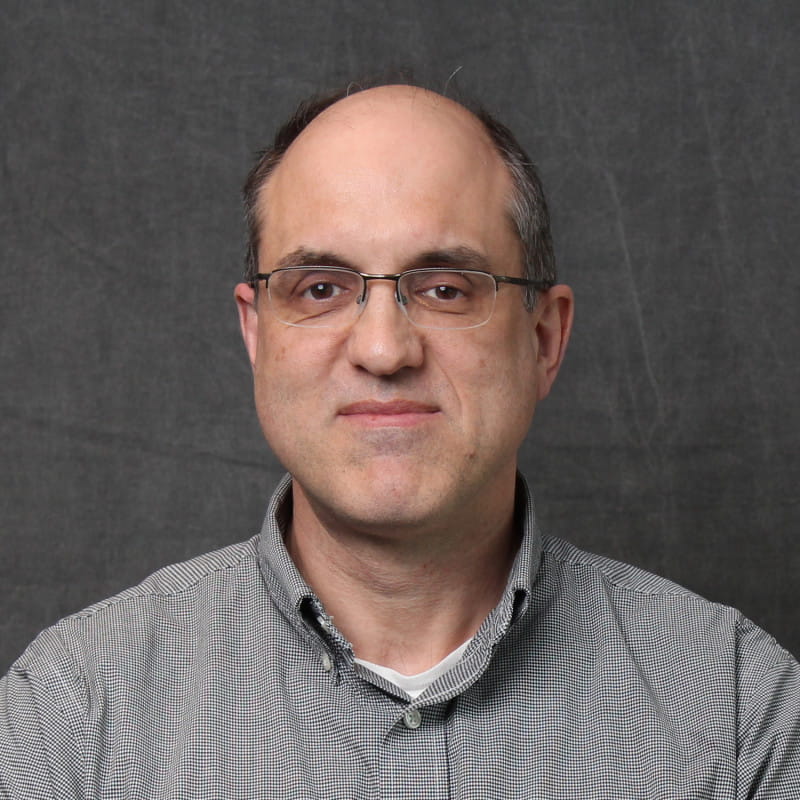
Nathan Doble, PhD
- College of Optometry
Department of Ophthalmology & Visual Science
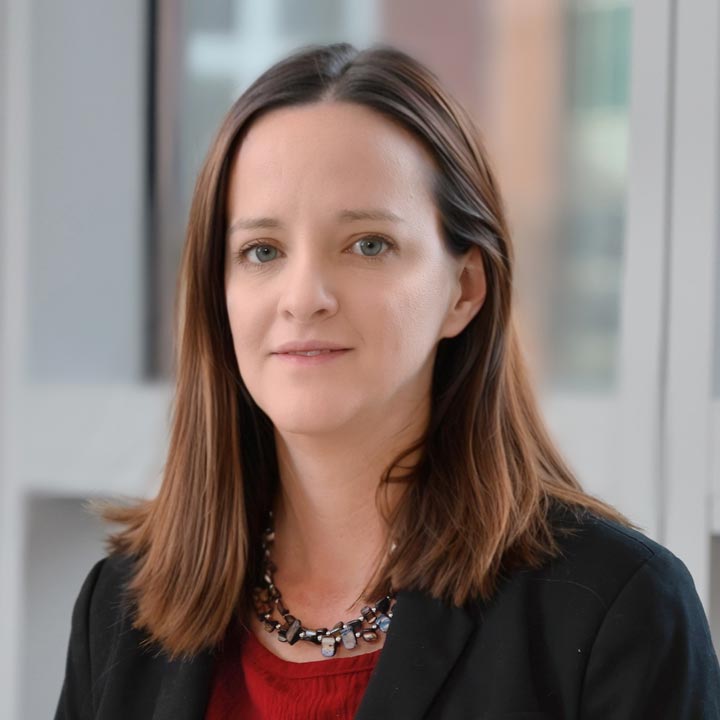
Nina Kraguljac, MD, MA
- Director, Center for Neuroimaging, Neurophenotyping, Neurocomputation and Neuromodulation (C4N)
C4N
Contact NeuroMAP
To learn more about NeuroMAP, collaboration opportunities or access to services:
- Email: NeuroMAP@osumc.edu
- Phone: 614-293-4970
- Address: Department of Neurology, 395 W. 12th Ave, Columbus, OH 43210