
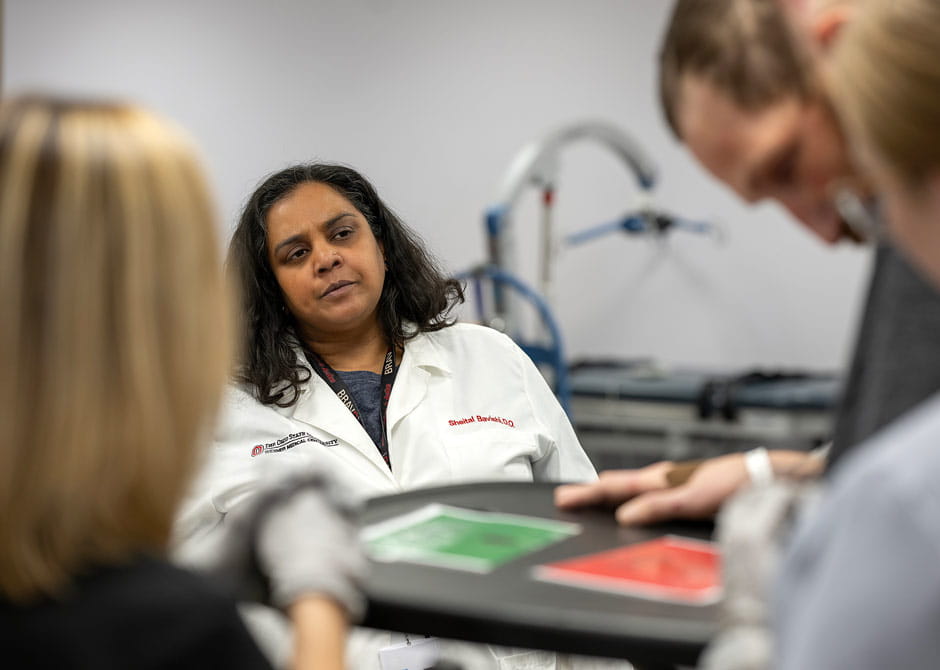
 When a loved one sustains a severe brain injury that leads to a disorder of consciousness, which is when you’re not awake enough to interact with your environment, it can be difficult to know where to turn for help. Often, people with disorders of consciousness are sent to long-term acute care hospitals, skilled nursing facilities or nursing homes after they’re stabilized — leaving patients with a reduced chance of rehabilitation and families with little hope.
But at The Ohio State University Wexner Medical Center, there’s a better way forward for recovery.
Through our evidence-based Disorders of Consciousness Program at Ohio State’s Dodd Rehabilitation Hospital in Columbus, Ohio, we’re able to offer people with severe brain injuries and their families a reason to hope. Since 2017, 70% of people treated in the program have emerged to consciousness. Our physical medicine and rehabilitation experts have found that our early, specialized rehabilitation may help people become more aware, reduce caregiver burden and regain at least some degree of independence.
What are disorders of consciousness?
A disorder of consciousness is a condition of altered consciousness in which someone has severely impaired levels of awareness and wakefulness due to a severe brain injury. These injuries can be caused by severe traumatic brain injury (TBI), an anoxic brain injury or a stroke.
Following a brain injury, a person may be in a reduced level of consciousness lasting days to years, but there are ways to support improvement in any level of consciousness, especially with early medical and therapeutic interventions.
Types of disorders of consciousness
There are different types of disorders of consciousness, based on the severity of symptoms and the level of activity the injured person exhibits.
- Coma – A person’s eyes are closed with no signs of wakefulness or awareness.
- Vegetative state – Sometimes called unresponsive wakefulness, this is when a person shows awake and sleep cycles but no signs of awareness of their environment. They may open their eyes and move spontaneously but not follow commands.
- Minimally conscious state – A person exhibits clear but minimal, and often inconsistent, signs of awareness, including attempts to communicate and ability to follow some commands.
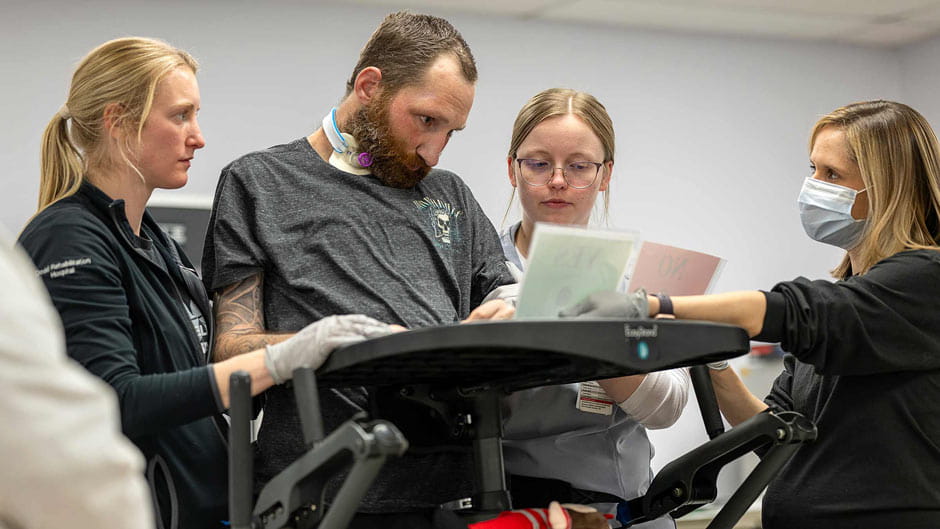
The doctor who brings people back from comas
Sheital Bavishi, DO, started Ohio’s first program offering intensive therapy to awaken people from comas after severe brain injuries.
How are disorders of consciousness diagnosed?
Accurate diagnosis of a disorder of consciousness is key to successful rehabilitation outcomes. However, the American Congress of Rehabilitation Medicine reports that up to 40% of people in an unresponsive, vegetative or minimal state of consciousness are misdiagnosed, meaning they’re likely to be undertreated.
There can be other causes of lost consciousness besides severe brain injury, so the medical experts at the Ohio State Wexner Medical Center will complete a full neurological exam to assess current response to stimulation, ability to follow commands and levels of attention and communication. We’ll rule out any other conditions that could be responsible, and treat symptoms, such as fluid in the brain and ongoing seizures, that could impact how a person interacts with the world.
In addition, we’ll explore the side effects of any medications, including opioids for pain or others that may reduce alertness. Gathering all this information will allow us to determine if the Disorders of Consciousness Program is the correct rehabilitation step for your loved one.
Benefits of disorders of consciousness rehabilitation
Research has shown that if people with severe brain injuries receive intensive therapy within the first 90 days of their accident, they have a much better chance of significantly recovering in the long term. Our program is successful because we work with people who’ve been injured within the last year, and our team members — skilled therapists, nurses and doctors — are trained to provide early treatment with numerous resources and unique therapies. Our top priority is to help you bring your loved one home, while addressing responsiveness and identifying a means of communication, so everything we do centers on that goal.
Criteria for admission to Ohio State’s Disorders of Consciousness (DoC) Program
To have the best chance for successful outcomes, our DoC program has several requirements for eligibility. These criteria include:
- You’re less than one year from the initial injury or onset of condition.
- You’re at least in a minimally conscious or unresponsive wakeful state.
- You don’t require a ventilator; however, a tracheostomy tube (trach) may be in place.
- You have a long-term nutrition plan (feeding tube).
- You have appropriate family support for discharge.
Because one of the primary goals is to discharge your loved one to a home setting, it’s essential to have a caregiver present throughout the stay to participate in daily training.
If you have questions or would like to confirm eligibility for the Disorders of Consciousness Program, call 614-293-5275.
What to expect from Ohio State’s DoC Program
After we know the cause and degree of the disorder of consciousness, we’ll develop a personalized treatment plan to support a return to consciousness and physical recovery. While each person we treat and family we work with will have unique needs and goals for the program, we typically have some general goals we want to achieve. These could include:
- Identifying an accurate diagnosis of your loved one’s current stage of recovery
- Establishing and maintaining medical stability and maximizing effectiveness of medications
- Providing physical and cognitive therapeutic stimulation and assessing responses
- Increasing arousal and awareness
- Improving communication and participation in daily activities
- Improving feeding and swallowing
- Offering comprehensive family education and training on the overall care of your loved one
- Planning holistically for discharge and transition to home and what that might look like
While at Dodd Hospital, the individual is placed on a structured schedule to help them develop a consistent routine. We’ll continue with preventive care to maintain muscle strength and healthy skin, bowels and bladder, and reduce complications, such as blood clots, pneumonia or spasticity.
Everyone has their own private room and quiet periods of rest, as well as different types of active rehabilitation to help them establish and maintain a stronger connection between their body and brain. An assessment is performed daily to track progress, so we can adjust treatment as needed. Therapies administered five or six days a week may include:
- Physical therapy, which uses state-of-the-art technology and the latest methods to help the body recognize familiar movements
- Occupational therapy, which stimulates different senses to help individuals connect and engage with their environment
- Speech therapy, which helps individuals regain the ability to swallow, eat or communicate
What is the average length of stay for people with disorders of consciousness?
Typically, people with a disorder of consciousness will spend two to four weeks in inpatient rehabilitation care. The stay could be extended if the person emerges to consciousness and needs to continue intensive therapy to maximize physical recovery.
Why choose Ohio State for treatment for disorders of consciousness?
When your loved one needs help increasing their awareness and improving communication following a severe brain injury, where they go for care matters. Reasons why Ohio State and Dodd are that top choice include:
Unparalleled care in Ohio
Very few rehabilitation programs provide the specialized and advanced care necessary to help people recover from disorders of consciousness. Ohio State is one of the only medical centers in the region to offer this type of care and produce the outcomes we do.
Successful outcomes
Roughly 70% of people treated in our program emerge to consciousness. We’re able to return some people to their home environment, allowing them to more effectively continue their recovery as well as help improve caregivers’ quality of life.
The program is a part of our larger Brain Injury Rehabilitation Program, which is accredited by the Commission on Accreditation of Rehabilitation Facilities (CARF) for meeting the nation’s highest standards of quality, safety and outcomes. Dodd is also ranked as one of the "Best Hospitals" for rehabilitation by U.S. News & World Report.
Empowering caregivers
We take care of families and loved ones too, because we understand the stress they face. Individual case managers help navigate health issues, coordinate any additional appointments and find appropriate services or medical equipment, as needed. A social worker can direct family members to helpful community and government resources, and a psychologist familiar with the challenges of caregiving is available for ongoing mental health support.
We’ll also provide hands-on caregiver training, whether that involves the use of a trach or feeding tube, safe transfer to and from a bed, additional rehabilitation or any other aspect of daily patient support.
Continuum of care
Beyond inpatient rehabilitation care, we also provide award-winning outpatient rehabilitation services when an individual is ready to go home or return to the community. We bring the same coordinated and comprehensive rehabilitation services offered at our nationally ranked Dodd Hospital to facilities conveniently located throughout central Ohio. We’ll truly be with you every step of your recovery journey.
Medical Director
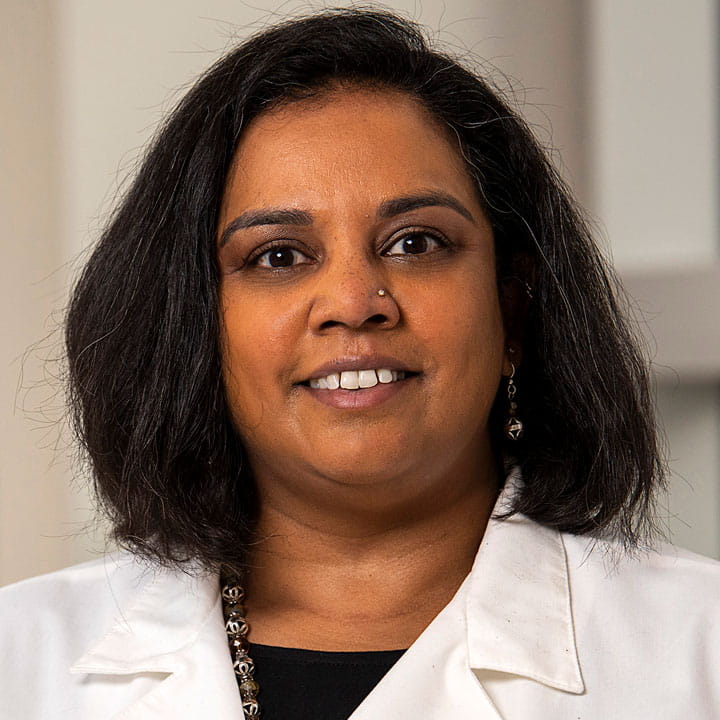
Sheital Bavishi, DO
Medical Director, Disorders of Consciousness Program